
Frequently Asked Questions
A balanced assessment is a test that helps to evaluate and diagnose conditions that affect balance and coordination, such as vertigo.
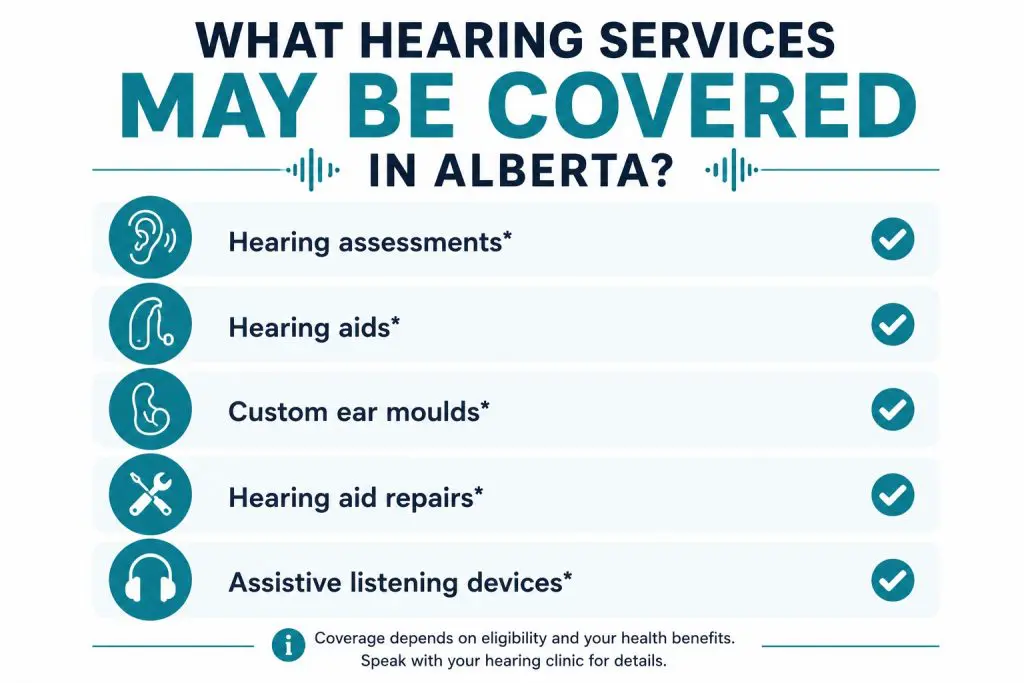
Many individuals in Alberta are concerned about whether audiology services, such as hearing tests and hearing aids, are covered by provincial health plans. Understanding your coverage options can help you access the necessary hearing care without financial stress.
In Alberta, basic hearing assessments are typically covered for children and seniors under the Alberta Health Care Insurance Plan (AHCIP). However, coverage for adults between these age groups may vary, often depending on specific circumstances or additional health plans. It’s essential to check with your healthcare provider or insurance policy to determine your eligibility.
For those seeking a comprehensive hearing test near me, Melody Audiology offers a range of services designed to meet your needs. Our hearing tests in Edmonton are performed by experienced audiologists who use state-of-the-art equipment to ensure accurate results.
If you’re looking for a reliable hearing clinic in Edmonton, Melody Audiology provides personalized care and expert advice. Our team is dedicated to helping you understand your hearing health and explore the best treatment options available.
Choosing the right provider for your hearing test in Edmonton is crucial for maintaining good hearing health. At Melody Hearing Clinic, we offer comprehensive assessments and personalized solutions to help you manage your hearing effectively.
While hearing care coverage in Alberta may vary, accessing quality care doesn’t have to be challenging. For those in Edmonton seeking reliable hearing tests and expert advice, visit Melody Hearing Clinic to learn more about our services and how we can help you achieve optimal hearing health.
A first visit with a registered hearing aid practitioner (RHAP) is designed to help you understand your hearing and decide on appropriate next steps. It is not simply a test or a sales appointment. Your practitioner will listen to the hearing concerns you have noticed, learn how those concerns affect daily life, and complete an assessment when appropriate. The goal is to give you useful information about your hearing health so you can make informed decisions at a comfortable pace.
Many people book a first appointment because conversations seem less clear, especially in restaurants or family gatherings. Others find themselves asking people to repeat themselves, turning up the television, struggling on the phone, noticing ringing in their ears, or hearing concerns from a family member. These experiences are common, and you do not need to be certain that you have hearing loss before arranging a hearing test.
Your RHAP will begin with a conversation about your hearing history, overall health information that may be relevant to hearing, and the situations that are most difficult for you. This discussion helps place test results in the context of your everyday life rather than treating hearing as a number alone.
You may be asked about:
Bring any questions you have, as well as your current hearing aids if you wear them. It can also be helpful to bring a spouse, adult child, friend, or other support person. They may be able to describe communication situations you have not noticed, and they can help you remember the information discussed.
Before testing, the practitioner may look in your ears using an otoscope. This allows them to check whether the ear canal appears clear and whether there is anything visible that could affect testing, such as earwax. An RHAP does not replace a physician or ENT specialist. If your history, symptoms, or ear check suggest that medical assessment is needed, the practitioner can explain why a referral or follow-up with another health-care provider may be appropriate.
The hearing assessment itself is usually straightforward and non-invasive. You will wear headphones or insert earphones in a quiet testing space and respond when you hear sounds. The test measures the quietest sounds you can hear at different pitches. Your practitioner may also assess how well you hear speech, including speech presented at comfortable levels or in more challenging listening conditions. The exact tests used depend on your needs and the appointment.
There is no need to study or prepare for a hearing test. Simply respond as consistently as you can, even when you are unsure. The purpose is to measure your hearing as it is, not to pass or fail. If you are feeling unwell, have a blocked ear, or have a sudden change in hearing, tell the clinic before or at the start of your visit.
After the assessment, your RHAP will review the results in plain language. They can explain whether the findings suggest hearing within expected ranges or a pattern of hearing loss, which pitches are affected, and how that may relate to the challenges you described. For example, difficulty hearing higher-pitched speech sounds can make words seem unclear even when voices are loud enough.
The discussion should also cover what the results mean for the places and people that matter to you. Hearing needs differ widely: someone who spends time in quiet settings may have different priorities from a person who attends meetings, talks with grandchildren, works in noise, enjoys live music, or frequently uses a phone. Personalized hearing care considers both the assessment and these real-world communication needs.
If the results do not point to hearing aids, your next step may be monitoring your hearing, discussing communication strategies, protecting your hearing from noise, or seeking medical follow-up. If tinnitus is a concern, the practitioner can also discuss supportive options and when additional evaluation may be warranted. You should leave with a clearer understanding of your situation and an opportunity to ask questions.
Hearing aids may be recommended when they are appropriate for your hearing results and daily communication goals. A recommendation should be based on more than the audiogram. Your RHAP will discuss practical factors such as comfort, ease of use, style preferences, phone connectivity, rechargeable or disposable batteries, dexterity, and the environments where you most want better clarity.
You do not need to choose a device during the assessment unless you feel ready. Take time to consider the information, ask about costs and coverage, and compare the features that are meaningful to you. You can learn more about the clinic’s hearing aid options before or after your appointment.
If you decide to proceed, a later hearing aid fitting may include programming the devices to your hearing prescription, checking comfort and fit, and showing you how to insert, remove, charge, clean, and care for them. Hearing aid care continues after the fitting. Follow-up appointments allow for hearing aid adjustments as you adapt and as your listening needs become clearer.
A routine hearing assessment is valuable for gradual changes, but some symptoms need prompt medical attention. Contact a physician or urgent-care service without delay for sudden hearing loss, sudden hearing loss with dizziness, severe ear pain, drainage or bleeding from the ear, or new one-sided symptoms. Let the practitioner know about these concerns as well. Prompt assessment can be important when a change is sudden or accompanied by other symptoms.
For most people, preparation is simple. Make a short list of the situations where hearing is difficult and any questions you want answered. Bring your hearing aids, accessories, recent hearing records, or relevant medical information if you have them. Avoid placing anything in your ears to remove wax before the appointment, as this can irritate the ear canal or push wax farther in.
A first visit is an opportunity to understand your hearing, not a commitment to purchase anything. Whether you are noticing changes yourself, supporting a loved one, or looking for help with existing devices, speaking with a registered hearing aid practitioner can provide practical guidance. Book a hearing assessment when you are ready to explore what may help you communicate more comfortably and stay connected to the people and experiences that matter.
If you are experiencing hearing loss or difficulty hearing, it is crucial to seek professional help right away. Depending on the cause and severity of your symptoms, you may need to see an audiologist or ENT (ear, nose, throat) doctor. An audiologist is best suited to diagnose and treat non-medical hearing issues, while an ENT specialist is typically better for medical-related hearing impairments. At Melody Audiology, we strive to provide our patients with the best possible care and will always be happy to discuss any questions or concerns you may have.
When it comes to hearing care, you deserve clear, practical solutions that make a real difference in your everyday life. At Melody Audiology, we focus on empowering you with the knowledge and support you need to enjoy better hearing, whether you’re exploring hearing aid options for the first time or seeking ongoing care. Our patient-first approach means we tailor each recommendation to your specific needs, ensuring that your hearing journey is easy to understand and free from unnecessary stress. Below, you’ll find a detailed look at the range of services we offer, along with insights into why these services matter and how they can improve your overall quality of life.
Note: We provide our services across multiple locations. If you’re near Downtown Edmonton, Mill Woods, South Edmonton, Sherwood Park, St. Albert, or Calgary, you can visit the Melody Audiology clinic that’s most convenient for you, making it simpler than ever to take the first step toward better hearing.
Every individual’s hearing needs are unique. That’s why one of our foundational services is a thorough hearing evaluation. During this assessment, our registered hearing aid practitioners use advanced diagnostic equipment to check your hearing sensitivity and look for signs of hearing loss. We measure how well you pick up different frequencies and how clearly you perceive speech in everyday situations. Through tests like pure-tone audiometry, you’ll listen for tones at various volumes and pitches, helping us determine the precise nature and degree of any hearing difficulties.
This process is especially valuable because it goes beyond mere detection of a problem. We’ll also discuss any daily challenges—like phone conversations or group settings—that may reflect your real-world experience with hearing. By understanding your lifestyle and communication needs, we can make personalized recommendations to help you stay connected and engaged.
Because hearing changes happen gradually for many people, regular evaluations are an excellent way to maintain awareness of your hearing health. For individuals 65 years and older, we offer complimentary hearing evaluations to ensure these essential checkups are always accessible. If you’ve been putting off a test or noticing small changes in your hearing, scheduling a comprehensive evaluation is an easy yet critical step.
Another unique aspect of our service is specialized hearing assessments for police applicants. Law enforcement roles demand clear communication in high-stakes scenarios. Our tests for police applicants thoroughly evaluate an individual’s ability to discern different speech patterns, identify subtle sounds, and perform well in noise-filled environments. This helps both the applicant and the department ensure readiness for the demanding acoustics of police work.
By taking part in these specialized evaluations, aspiring officers can measure whether they meet hearing standards, address any challenges early, and take advantage of solutions—like hearing protection or hearing aids—if needed. Our focus is on equipping candidates with the best possible hearing strategies to excel in the field.
If your test results indicate that a hearing aid might be beneficial, we offer a wide selection of modern, discreet devices to suit different preferences. Our goal is to match you with a technology that blends seamlessly into your daily life. Some people prefer behind-the-ear designs, while others opt for in-the-canal models for a more subtle look. Regardless of style, our Hearing Aids options feature sophisticated signal processing that enhances speech clarity, reduces background noise, and makes conversations more enjoyable.
The fitting process is comfortable and straightforward. After choosing a hearing aid, our registered hearing aid practitioners precisely program it to your hearing test results. We also take into account factors such as your favorite environments, whether you spend a lot of time outdoors, and how often you interact in group settings. This level of customization ensures a natural listening experience right away.
But we don’t stop there. As you wear your hearing aids in daily life, you may discover a need for small adjustments, like volume tweaks or fine-tuning certain sound frequencies. We encourage you to schedule follow-up visits so we can refine these settings and make sure your hearing aids always meet your evolving needs.
Ringing, buzzing, or whistling sensations in your ears—collectively known as tinnitus—can be an ongoing source of frustration. While tinnitus has many potential causes, there are effective coping strategies and treatments available. At Melody Audiology, we evaluate the possible triggers and severity of tinnitus through specialized testing and careful listening to your symptom history.
Once we understand the nature of your tinnitus, our team can recommend practical techniques such as sound therapy, relaxation exercises, and tailored counseling. We also offer tinnitus training devices that integrate seamlessly with hearing aids or function independently. These devices produce soft background sounds or calming tones, easing the perception of tinnitus and helping reduce its impact on everyday activities. Although there is no single cure for tinnitus, many patients find lasting relief with the right combination of strategies and ongoing support.
Taking proactive steps is one of the best ways to maintain good hearing health. That’s why we encourage you to get evaluated, especially if you’re over 65. We believe in early detection as the key to preventing more significant hearing problems down the line. For those who qualify, this complimentary evaluation includes a full set of tests, a review of your hearing history, and a personalized talk about your results. It’s also an excellent opportunity to ask any questions you might have about hearing changes, available technology, or how to protect your hearing in noisy environments.
This no-cost evaluation isn’t just a formality—our experienced practitioners will sit down with you, ensuring you leave feeling confident in your hearing status and with a clear plan of action if we detect any issues.
For those seeking additional relief from tinnitus, tinnitus training devices represent another path toward better sound clarity and reduced annoyance. These devices typically emit soothing tones or low-level noise, blending with the tinnitus so it becomes less prominent. Over time, your brain adapts to these new sound patterns, which can diminish the perception of unwanted ringing or buzzing. When combined with counseling and regular check-ins, such devices are an integral part of a well-rounded approach to tinnitus management. This supportive strategy helps restore a sense of peace and control, so you can focus on the conversations and activities that matter most.
Beyond tests and fittings, Melody Audiology offers a range of practical listening products designed to enhance your hearing experience in specific situations. For instance, assistive listening devices can help you better understand audio from televisions, telephones, or public venue systems. Bluetooth streamers enable you to connect your hearing aids directly to electronic devices, boosting clarity during phone calls and media playback. Our goal is to simplify these technologies and show you how they integrate smoothly into everyday life, helping you stay connected with friends, family, and the world.
We also provide advice on accessories that can improve performance in challenging environments. You might benefit from remote microphones that pick up voices from a distance, or specialized ear molds that help reduce wind noise. Each person’s situation is different, so our recommendations focus on practical solutions rather than one-size-fits-all products.
In addition to addressing hearing loss, we believe strongly in prevention. Long-term noise exposure is a leading cause of hearing damage, especially among people who work in construction, factories, or other high-noise settings. To counteract this, we offer Hearing Protection solutions that include custom earplugs, specialized filters, and comfortable earmolds for recreational activities like swimming and music performances. By protecting your ears now, you can help reduce the risk of further hearing complications down the road.
These preventative measures aren’t just for occupational hazards. Anyone who values their hearing—musicians, frequent travelers, or people simply looking to safeguard their ears in everyday noisy environments—can benefit from custom-fitted hearing protection. By investing in this level of care, you can enjoy your favorite hobbies without compromising long-term hearing health.
Just like any device you rely on, hearing aids and assistive products occasionally need upkeep. At Melody Audiology, we handle repairs for a variety of hearing aid makes and models. Whether it’s a small wiring issue or a more complex internal component problem, our experienced team quickly diagnoses and resolves it so you can get back to your daily life with minimal disruption.
In addition to repairs, we offer regular follow-up visits to sustain optimal hearing performance. During these check-ins, we’ll clean your devices, perform software updates if needed, fine-tune your settings, and verify that everything is working as expected. This ongoing care helps you extend the lifespan of your hearing aids while ensuring fast, accurate sound processing—two factors that help you feel confident in any social or professional setting.
Our commitment to you goes beyond any single appointment or product. We consider hearing health a journey, and we’re here to walk alongside you every step of the way. That’s why we offer lifetime service of care, encompassing routine maintenance, annual hearing evaluations, and additional counseling whenever you need it. If you ever have questions about your hearing aids, changes in your hearing, or new care options, you can count on us for clarity and support.
This ongoing assistance also helps us track how your hearing may evolve over time. If, for instance, you begin to notice increased difficulty hearing in certain social situations, we can adjust your settings accordingly. By prioritizing this long-term partnership, we aim to make hearing care a simple and reassuring process, ensuring that you’re never dealing with hearing challenges on your own.
We believe that the best decisions start with the right information. That’s why education is built into all of our services. Whether you’re coming in for a routine Hearing Test or discussing the latest advancements in hearing aid technology, our team takes the time to explain each step in understandable terms. We recognize that hearing health can be unfamiliar territory for many, so our role is to put you at ease with straightforward explanations. You’ll learn about how your ears work, why certain types of noise are more damaging than others, and which daily habits can help sustain your current level of hearing.
We also offer counseling for individuals who have just begun using hearing aids. Adapting to amplification can feel like a significant change, especially if you’ve been missing subtle sounds for a while. Our staff will offer tips and exercises to help you acclimate gradually, and we’ll answer questions about caring for and maintaining your aids. This educational focus ensures that you become confident in managing your hearing health, whether you’re 18 or 80.
Hearing plays a vital role in maintaining connections, whether you’re catching up with family, participating in community events, or sharing a laugh with friends. At Melody Audiology, we strive to help you reconnect with the sounds that matter most, in a setting that is supportive, empathetic, and encouraging. We offer a full spectrum of services—from preventive hearing protection to advanced hearing aid fittings—allowing you to feel comfortable no matter where you are on your hearing journey.
If you’re curious about improving your hearing or simply want guidance on taking proactive measures, consider reaching out to us. You can Book Now to schedule your visit and discover the benefits of personalized hearing solutions. We want you to feel at ease every step of the way, no matter your current hearing level or past experiences. Together, we can create a clear roadmap to better hearing that keeps you connected to life’s rich tapestry of sounds.
The Melody Promise is our commitment to providing the best possible care for our patients. We offer complimentary hearing evaluations (65 years +), your hearing test will be conducted by an experienced & qualified hearing aid, your Privacy & Confidentiality are respected, and all consultations are conducted in a private testing room. Finally, your recommended package will be completely customized to your needs, and as an official provider for Medicard, we are able to assist with hearing aid financing. Contact us today to schedule an appointment.
A Registered Hearing Aid Practitioner (RHAP) is certified to assess hearing, fit hearing aids, and provide related hearing health services. They perform audiometric evaluations to determine hearing loss levels and recommend appropriate hearing aid devices tailored to individual needs. RHAPs are trained to take ear impressions, program and adjust hearing aids, and offer guidance on maintenance and usage. They often collaborate with audiologists and other healthcare providers to ensure comprehensive auditory care. To become an RHAP, one must complete specific educational requirements, including a diploma or degree in hearing aid dispensing, and pass national certification exams. Additionally, they must adhere to ongoing professional development and ethical standards set by regulatory bodies to maintain their certification.
Searching for a reliable hearing clinic can feel like an important and sometimes overwhelming decision. Whether you’ve just noticed subtle changes in your hearing or have been dealing with reduced sound clarity for a while, finding a clinic that meets your individual needs is key to a positive experience. With so many options out there, it helps to know exactly what to look for. This guide explores the most important factors to keep in mind when picking your next hearing clinic. By learning about these features, you’ll be better prepared to find the right fit for your lifestyle, budget, and hearing goals.
One of the first services to look for in a hearing clinic is the thoroughness of its testing process. Comprehensive hearing tests go beyond a simple screening. They usually include several types of assessments to measure how well you can hear different frequencies, how clearly you perceive speech, and how your ears respond to various volumes. This type of in-depth evaluation is necessary for accurately pinpointing the nature and extent of your hearing loss.
Ideally, a clinic should employ advanced diagnostic technology and equipment. Modern devices can identify subtle nuances in your hearing that might go undetected using older methods. Clinics that offer robust testing also help you understand your results by explaining them in clear, straightforward language. Having that clarity is important for staying informed about your hearing health and feeling confident in next steps. If you’re curious about the process, you can learn more by visiting resources such as the Hearing Test page for additional insights.
Experience and training of the staff should be at the top of your checklist. Look for clinics that employ registered hearing aid practitioners or other qualified hearing professionals. This designation helps ensure that the person evaluating you has completed relevant coursework, practical training, and certification. Moreover, experts in hearing care should demonstrate empathy, patience, and a willingness to guide you through every step of your journey. They’re not just diagnosing hearing difficulties; they’re also helping you take meaningful steps toward improved hearing.
Dedicated practitioners often continue to refine their skills and knowledge through continuing education and professional development. By choosing a clinic that emphasizes ongoing training, you give yourself access to current best practices and new technologies. You also benefit from up-to-date methods that make the testing, fitting, and follow-up process easier and more accurate. This kind of commitment to professional growth ensures that the clinic can offer you trusted support for your hearing health.
No two sets of ears are exactly alike, which means no single solution can address every need. A well-rounded hearing clinic should offer diverse products and services, including different styles of hearing aids, custom hearing protection, assistive listening devices, and ongoing support. Having multiple solutions at your disposal ensures a more personal approach, as you can select what best fits your budget, lifestyle, and preferences.
Clinics with an extensive range of offerings generally house advanced technologies such as discreet in-the-canal devices or behind-the-ear models with Bluetooth capabilities. Additional services might include tinnitus management and specialized hearing protection for music lovers or those who regularly work in loud environments. When a clinic has this variety, it becomes simpler to match your specific situation to the right solution. Furthermore, when these services are paired with ongoing training and knowledge from registered hearing aid practitioners, you can rest assured that both immediate and long-term concerns will be addressed.
Before committing to any hearing clinic, read through online reviews or speak to people who have used their services in the past. Hearing is a personal and significant area of health, so honest customer feedback can reveal a lot about what your own experience might be. Take note of comments about the staff’s warmth, professionalism, and ability to explain test results in simple terms. Look for consistent praise regarding follow-up care, as maintaining ongoing support is just as important as the initial visit.
You can often find testimonials on the clinic’s website, social media pages, or healthcare review platforms. Those who have dealt with hearing loss and received quality service can offer meaningful perspectives on the clinic’s approach to communication, scheduling, pricing, and overall patient care. Also, pay attention to how the clinic deals with any negative feedback. While not all comments will be positive, the clinic’s willingness to address concerns can speak volumes about how seriously they take patient satisfaction.
Cost can be a crucial factor when deciding on a hearing clinic. Many people who could benefit from early hearing intervention might hold back due to concerns about the expense of tests or devices. A reputable clinic should be open and transparent about the pricing of services, potential payment plans, and any available benefits such as free hearing tests for older adults. This transparency removes guesswork and allows you to make informed decisions. In addition, some clinics collaborate with insurance providers or offer financing plans that break down costs over time. Knowing your options in advance helps you set realistic expectations and plan for future hearing care expenses.
Some clinics also provide a satisfaction guarantee, warranty, or a trial period for hearing aids. These added options demonstrate confidence in their services and can be a financial lifeline if you need adjustments or returns. Open communication about costs and potential coverage can go a long way in ensuring your journey to better hearing feels reassuring rather than stressful.
When it comes to hearing health, frequent visits can be part of the process. You may need follow-up tests, hearing aid fittings, or adjustments. It’s helpful to choose a clinic that is located in an area convenient to you and offers flexible scheduling. This arrangement supports ongoing care without interrupting your daily life.
Before committing, verify the clinic’s hours of operation and whether they can accommodate appointments on weekends or after standard business hours. Also, ask about the average waiting time for scheduling, as quicker appointments can be critical if you notice sudden changes in your hearing. For instance, Melody Hearing Clinic has multiple locations across Edmonton and surrounding areas, including Downtown Edmonton and other regions, which can be particularly helpful if you need convenient access near where you live or work.
Your relationship with a hearing clinic doesn’t end when you walk out the door with a new set of hearing aids. Ongoing care is central to preserving your hearing health and ensuring your devices keep working effectively. Look for a clinic that provides continuous support, including follow-up visits, device cleanings, and reprogramming when necessary. This type of care is especially vital for patients who are adjusting to their first hearing aid. It can take time and practice to get used to new sounds and figure out the right volume settings in various environments. A quality clinic will schedule regular check-ins and remain available if any issues come up unexpectedly.
Many clinics also offer aural rehabilitation or counseling sessions that help you and your loved ones better understand how to navigate daily interactions. Practical strategies—like positioning yourself for clearer sound or using assistive listening devices—can significantly enhance communication at home, work, or social events. Having a reliable partner to guide you through these steps makes the process smoother and more rewarding, ultimately improving your day-to-day experience.
As hearing technology advances, the gap between experiencing a range of sounds and missing out on them narrows. Today’s hearing solutions offer sophisticated features like directional microphones to focus on speech, automatic noise reduction in busy settings, and wireless connectivity to smartphones for streamlined streaming of calls and music. A forward-thinking hearing clinic should be in touch with these advancements, regularly updating their offerings and training their staff in modern methods.
Another key innovation is the ability to tailor hearing devices to specific lifestyle demands. Whether it’s attending concerts, engaging in business meetings, or enjoying nature walks, technology can adjust automatically to various soundscapes. These breakthroughs not only improve clarity but also make daily activities more enjoyable. By choosing a clinic focused on the latest developments, you increase the likelihood of finding an option that caters to your distinctive hearing needs.
A patient-first mindset separates an outstanding clinic from an average one. Clinics that prioritize your quality of life ask about your daily routines, personal preferences, and goals for better hearing. With this information, they can craft a customized plan that aligns with your unique needs—whether you enjoy social gatherings, take phone calls frequently, or simply want to watch television without straining to hear the dialogue.
Accessibility is another critical component of a patient-centered approach. From straightforward scheduling processes to clinics that are physically accessible for those with limited mobility, these details can make or break your experience. A welcoming reception area, efficient check-in/troubleshooting systems, and courteous staff all add to a supportive environment. As a result, you’re more likely to feel relaxed about returning for ongoing care.
Beyond offering services, a truly exceptional clinic will educate its patients and the community at large about the value of hearing checks, preventive measures, and hearing health awareness. This might include hosting seminars, sharing free educational materials, or maintaining an up-to-date blog with tips on preserving hearing clarity. Because many people delay addressing hearing issues due to misconceptions or lack of knowledge, finding a clinic that actively promotes awareness can be incredibly advantageous.
These outreach efforts are crucial for dispelling myths, combating stigma, and encouraging proactive approaches to hearing wellness. For instance, informational sessions might clarify how hearing aids have evolved, quell common worries about visibility, or explain the difference proper care can make to your daily life. The more a clinic supports its patients outside of scheduled appointments, the more you’ll feel empowered to take charge of your hearing journey.
Hearing challenges can affect people of all ages, and each group has different needs. Infants or young children, for example, require specialized assessment to ensure speech and language development is not impacted by hearing difficulty. Adults juggling professional and social demands may prioritize discreet hearing aids with a natural sound. By contrast, older adults might appreciate free tests, financial assistance, or thorough follow-up to maintain simpler daily routines. Look for a clinic offering age-appropriate services tailored to developmental tasks, lifestyle activities, and auditory requirements across the lifespan.
When you combine all these factors—comprehensive tests, skilled practitioners, diverse solutions, positive reviews, transparent costs, convenient locations, and cutting-edge technology—you’re on track to finding a dependable hearing clinic. Taking this proactive approach helps you preserve your hearing health and maintain clear sound and deeper connections with friends, family, and the activities you enjoy.
Melody Hearing Clinic in Edmonton stands as one option for individuals seeking accessible, convenient care. With multiple locations, modern diagnostic equipment, and registered hearing aid practitioners, the clinic aligns its services with people’s real lives, ensuring straightforward and supportive guidance. If you’re ready to check your hearing, consider booking a thorough evaluation. By setting aside time now to explore your options, you’ll be well on your way to staying connected and confident in all the moments that matter.
Ultimately, the key is to trust your instincts. Choose a hearing clinic that puts you first, clearly communicates its pricing and services, and fosters an environment where you feel comfortable asking questions. It isn’t about a quick fix or a one-size-fits-all solution. Instead, it’s about finding a lasting partnership for your hearing health. Whether you’re a new patient or have been on this journey for a while, the right clinic will provide you clarity, encouragement, and effective solutions. Taking this next step means you’re investing in your ability to stay engaged in life’s conversations, sounds, and experiences.
Hearing clinics play a vital role in helping individuals manage and treat various hearing-related issues. One of the primary services offered is comprehensive hearing evaluations and tests, which allow audiologists to assess the nature and degree of an individual’s hearing loss through procedures such as pure-tone tests, speech tests, and tympanometry. In addition to assessing hearing loss, hearing clinics provide tinnitus evaluation and management for those experiencing ringing or buzzing in their ears. Hearing aid consultations are also a significant part of a hearing clinic’s services, where experts help patients select the most suitable hearing aids based on their needs and lifestyles. They also provide fitting, programming, and maintenance services for hearing aids, ensuring that the devices are functioning optimally and that the user is comfortable. For individuals with more severe hearing loss, the clinic may offer cochlear implant evaluations and support. Furthermore, hearing clinics often extend services to counsel patients and their families about hearing loss, offering guidance on communication strategies and coping mechanisms. Custom ear protection and earplugs for swimmers or those working in noisy environments are also provided to prevent future hearing loss. Collectively, these services aim to enhance the quality of life for individuals with hearing impairments by offering tailored solutions and continuous support.
Earwax, also known as cerumen, is a natural substance that helps protect and lubricate the ear canal. Although it may not always be top of mind, earwax plays a vital role in your overall ear health by preventing dust, small particles, and microorganisms from reaching deeper parts of the ear. In many cases, earwax moves toward the outer ear on its own, where it dries and flakes away. However, sometimes it can build up or become impacted. When this happens, it may create issues like ear discomfort, temporary hearing difficulties, and even increased risk of infection if not addressed properly.
One of the common questions people have is whether a Registered Hearing Aid Practitioner (RHAP) can assist with earwax removal. The short answer is yes: many RHAPs receive training in ear care and wax management as part of their comprehensive education in hearing health. However, the specific services offered can vary from practitioner to practitioner. Below, we will explore how earwax forms, what roles an RHAP typically performs in earwax removal, and how to determine the best way to have your ears cleaned safely.
Before diving into who removes earwax, it is helpful to understand why it exists in the first place. Earwax is produced by glands in the ear canal. Its sticky consistency helps trap dirt and other particles to keep them from traveling deeper into your ear. Additionally, earwax provides a slightly acidic surface within the ear canal, which can help reduce bacterial or fungal growth. In this way, earwax acts as a shield that protects the delicate ear structures from harm. Interestingly, earwax production can vary from person to person. Some people naturally produce more wax than others, and some individuals have drier or softer earwax, depending on genetics or environmental factors.
In most circumstances, earwax will exit the ear naturally. However, when it accumulates or is pushed deeper into the ear by cotton swabs or other objects, a blockage can form. This blockage might cause discomfort, ringing in the ears (tinnitus), muffled hearing, or itching. If left unattended, impacted earwax can lead to more significant problems like ear canal infections. Therefore, knowing when—and how—to remove excess earwax is essential.
When it comes to earwax removal, there are several recommended approaches. Professional services are typically the safest route, as trained healthcare providers know how to remove wax while minimizing injury to the ear canal or eardrum. Here are a few methods professionals often use:
Some individuals attempt earwax removal at home using over-the-counter ear drops or ear irrigation kits. While mild cases of excess wax can sometimes be managed this way, it is advisable to consult a professional first to ensure it is appropriate for your situation. The ear canal and eardrum are delicate, so caution is key. Using cotton swabs, earpicks, or other unapproved objects can push wax deeper into the canal or even damage the ear, leading to more severe issues down the road.
Registered Hearing Aid Practitioners specialize in hearing health, focusing on the assessment, selection, and fitting of hearing aids, as well as ongoing care and maintenance. Many RHAPs receive training in identifying problems within the ear canal, including excessive earwax. While their main responsibility lies in ensuring better hearing through devices like hearing aids, being able to recognize earwax issues and, in many cases, offering earwax removal services is an important part of their skill set. Of course, whether an RHAP offers earwax removal may depend on the clinic’s policy and the individual scope of practice within that region.
Because they work closely with patients seeking hearing solutions, RHAPs are often the first to identify if earwax is impacting a hearing test result or the effectiveness of a hearing device. For example, a patient complaining of reduced sound quality in their hearing aids might simply have a buildup of wax that needs removing. By addressing this concern, the RHAP helps restore clearer hearing and reduces the chance of complicating issues like repeated feedback or reduced amplification.
When an RHAP provides earwax removal, they usually follow a protocol similar to that of other ear care professionals—making sure to inspect the ear canal thoroughly, choose a safe removal method, and advise patients on how to maintain good ear hygiene moving forward. Like other healthcare providers, if the RHAP encounters a more serious ear condition, they may refer the patient to an Ear, Nose, and Throat (ENT) specialist or a medical doctor.
Whether you choose an RHAP, an ENT specialist, or another medical professional, it is always a good idea to seek professional help with earwax removal if:
Opting for a trained professional ensures the task is done correctly. The risk of damaging your eardrum or ear canal is significantly lower when relying on someone with specialized expertise. Plus, professionals can observe the overall health of your ear, spotting any early signs of infection or inflammation. Addressing these concerns early can prevent more serious issues in the future.
When you schedule an earwax removal appointment with an RHAP or other healthcare provider, here’s what you can typically expect:
If you are visiting a hearing care clinic for this service, you can also have your hearing checked afterward. A buildup of earwax can mimic forms of hearing loss by blocking sound. Once removed, you may discover that your hearing is noticeably clearer.
For individuals who wear hearing aids or other devices, earwax can cause multiple problems. Excess wax can clog the receiver opening of a hearing aid, distort sound quality, and lead to whistling or feedback. Regular cleanings—both of your ears and your devices—help maintain optimum performance. If you are noticing decreased clarity or volume, it could be due to wax in your ears or in the device tubing or receiver. A Registered Hearing Aid Practitioner is well-equipped to inspect your device and your ear to pinpoint the root cause.
When earwax removal is done periodically, hearing instruments can function more effectively. Some hearing aid wearers go months without realizing that wax buildup was compromising sound quality. Cropping up gradually, this decline in performance can go unnoticed. That’s why it is helpful to combine regular hearing checkups with consistent ear hygiene.
If you have any underlying ear conditions or significant wax buildup that an RHAP is not comfortable removing, you may be referred to an ENT doctor. ENTs specialize in conditions of the ear, nose, and throat, and they handle more complicated scenarios, such as infections or structural abnormalities within the ear. In such cases, seeking the right specialist ensures you get the care that best meets your needs.
It is also good to remember that not every ear-related issue is resolved by simply removing wax. Persistent hearing difficulties might signal underlying hearing loss. If you suspect your hearing has changed, consider scheduling a comprehensive evaluation. Should you need help with hearing aids, many clinics can guide you through suitable options. Some clinics, like Melody Hearing Clinic, provide comprehensive assessments and hearing aids for individuals who struggle with noise-induced or age-related hearing decline. If you’re in the St. Albert area—or one of the many other locations—they may evaluate whether earwax is part of your issue or if other measures are needed to enhance your hearing.
To reduce the risk of wax blockages, there are safe ways to care for your ears at home. One of the most essential tips is to avoid putting anything smaller than your elbow into your ear canal—a humorous but effective reminder to steer clear of cotton swabs and other objects. In addition, here are some guidelines for day-to-day ear care:
For individuals interested in monitoring their hearing capacity over time, consider a professional hearing test, such as the services offered at Melody Hearing Clinic. You might be surprised at how a quick test can reveal the difference between a wax-related hearing concern and a more lasting hearing issue that requires further attention. With many clinics now offering free or reduced-cost screenings to patients 55 and older, taking the first step is simpler than ever.
If you have persistent hearing difficulties—even after earwax removal—it may be time to consider a comprehensive hearing exam. A full evaluation can determine whether you might benefit from hearing aids. If recommended, you can explore modern devices that offer discreet designs, Bluetooth connectivity, and more. Your Registered Hearing Aid Practitioner can guide you toward hearing instruments that suit your lifestyle and budget. To learn more about advanced hearing solutions, you can visit hearing aids page.
Hearing tests are quick, painless, and can provide valuable insight into your auditory health. Even if you don’t currently experience significant hearing difficulties, identifying early signs of hearing changes can help you take proactive steps. This can be as simple as regular screenings, adopting protective measures in noisy environments, or implementing small lifestyle changes.
A Registered Hearing Aid Practitioner is often qualified to remove earwax, especially if they have training and experience in ear health. While their primary focus is on hearing evaluations and hearing aid fittings, many RHAPs will address excess wax when it interferes with hearing tests or hearing devices. Regardless of whether you see an RHAP, an ENT, or another medical pro, seeking skilled care for earwax removal is a wise decision—particularly if you have noted discomfort, hearing difficulties, or a recent decline in your hearing aid’s performance.
By maintaining healthy ears, you alleviate immediate symptoms and help foster long-term hearing health. Earwax removal is just one part of this equation. Regular hearing checkups, proper ear care, and suitable hearing solutions all work in harmony to preserve clarity and comfort. Taking these steps will keep you connected to the world of sound and ensure that small issues like earwax buildups don’t evolve into something larger.
If you have concerns about earwax affecting your hearing or need advice on safeguarding your auditory wellness, a Registered Hearing Aid Practitioner can guide you with compassion and expertise. With the right knowledge and professional support, you can take action early, avoid complications, and enjoy the fullest possible range of sound.
If you are experiencing any hearing loss, tinnitus, or other changes in your hearing, it is important to see a registered hearing aid practitioner (RHAP) for a comprehensive evaluation.
Keeping your hearing in good shape is one of the most effective ways to maintain connections with family, friends, and the world around you. As we go through life, our hearing needs can shift, especially if we are regularly exposed to noise or we notice subtle changes in how we perceive sounds. Working with a Registered Hearing Aid Practitioner (RHAP) can help you stay proactive, ensuring that you receive attentive professional guidance at every stage of your hearing health journey. But how often should you see an RHAP, and under what circumstances might you need more frequent visits? In this comprehensive guide, we will explore recommendations, signs to watch for, and expert advice on maintaining your hearing health.
Hearing loss can happen gradually, making it easy to miss early signs. Changes in hearing can result from age, ongoing noise exposure at work or recreational activities, or an underlying medical condition. Scheduling routine checkups with a Registered Hearing Aid Practitioner provides a chance to detect shifts in hearing before they become disruptive. Early detection supports timely interventions and ensures suitable solutions are available if required, helping you stay ahead of any potential decline in hearing.
Additionally, frequent checkups with your hearing professional serve as reassurance. If you already wear hearing aids, regular visits can confirm that these devices still fit correctly and that they deliver their intended benefits. If you notice issues with clarity or volume, your practitioner can quickly make adjustments to keep your hearing aid functioning in top shape. Consistency in appointments also lets you address any related hearing concerns, such as tinnitus or earwax buildup, to keep you comfortable and confident in your day-to-day activities.
Many specialists suggest a baseline hearing evaluation as early as possible, even if you do not notice any immediate signs of hearing loss. After your initial appointment, typical guidance is to schedule checkups at least once every one to two years. Of course, one size does not fit all, and your personal needs might warrant additional visits. For instance, if you already rely on a hearing aid solution, an annual visit or semiannual tune-up can be valuable. These appointments allow for professional cleanings, device programming updates, and the opportunity to discuss any changes in your lifestyle or hearing preferences.
Below are some commonly used guidelines to help you decide how often to see an RHAP:
Ultimately, it is critical to follow the schedule suggested by your Registered Hearing Aid Practitioner. They understand your unique hearing health profile and can help keep you on track with recommended follow-ups.
While general guidelines provide a good baseline, several specific factors can increase the need for more regular or additional appointments:
If you have never visited a Registered Hearing Aid Practitioner before, your first appointment usually involves a comprehensive hearing test. During this evaluation, the practitioner will speak with you about your health history, review any symptoms you may be experiencing, and conduct structured tests to determine your hearing thresholds. They will also discuss the results with you in simple, easy-to-understand terms. You will learn whether you have hearing loss, its severity, and what approaches might be taken to maintain or improve your hearing health.
These initial steps help create a clear foundation for effectively managing your future hearing care. The Registered Hearing Aid Practitioner may recommend hearing aids if appropriate, outline how often you should return for follow-ups, and point you toward useful information about hearing protection or other supportive solutions. Being thorough with your first sessions sets the tone for a more proactive and comfortable relationship with your hearing professional over time.
If you already rely on hearing aids, you likely understand how essential regular maintenance and calibration are for an uninterrupted listening experience. Over time, earwax or debris can accumulate in your devices, potentially interfering with performance. Small mechanical features can also wear down. Beyond these normal considerations, your hearing profile may evolve, requiring adjustments to restore clarity and comfort. By visiting your RHAP for routine checkups, you can extend the life of your equipment and ensure that you continue benefiting from your devices.
These checkups often include:
Beyond established guidelines, there are moments where you might sense something off in your hearing. Acting quickly can prevent any issues from worsening. Schedule a visit if you notice any of these signals:
Every individual’s hearing timeline will differ. In general, the best approach is to maintain a proactive outlook. As soon as you suspect a change in your hearing, connect with your Registered Hearing Aid Practitioner. From minor tune-ups to in-depth tests, these visits can go a long way toward preserving your quality of life, engagement, and independence. Likewise, ongoing visits keep your hearing aids well-maintained, saving you from unwelcome surprises down the road and potentially lowering repair or replacement costs.
Being proactive also means integrating other protective practices into your routine, such as wearing earplugs in loud environments and scheduling a regular checkup if you find yourself around machinery, concerts, or other potentially damaging noise. When used consistently, custom hearing protection or simpler over-the-counter solutions can help shield your ears from excessive decibel levels. Combining these protective measures with scheduled professional visits is an excellent formula for comprehensive hearing health.
Staying on track with appointments is easiest when you can find a hearing clinic that suits your location and schedule. Fortunately, there are multiple Melody Hearing Clinic facilities in place to offer care in various communities. Whether you live near Downtown Edmonton, Mill Woods, South Edmonton, Sherwood Park, St. Albert, or Calgary, you have options for timely, thorough care from experienced practitioners. With flexible scheduling and multiple service areas, finding time for your essential hearing checkups becomes much simpler.
Most follow-up appointments typically last anywhere from 15 minutes to an hour, depending on the reason for the visit. During a routine evaluation, you might go through a refined hearing test or quick screening to see if any significant shifts have occurred. Your practitioner will also examine your ears to ensure there are no physical blockages or infections that require attention. If you wear hearing aids, expect an examination of the devices alongside a performance test, cleaning, and potential adjustments. The session ends with updates to your hearing goals, discussion about any lifestyle changes, and guidance on your next recommended visit.
Beyond strict appointment schedules, education about hearing health is a powerful tool. Your Registered Hearing Aid Practitioner can be a go-to resource for questions around how hearing works, how devices can be fine-tuned to your environment, and ways to improve your experience at social gatherings or work settings. In this regard, hearing care is not a one-time fix but an ongoing process that benefits from open communication and curiosity. If something feels unclear, ask. The more you understand, the easier it is to implement positive changes and remain dedicated to routine care.
By staying informed and proactive, you can transform your hearing appointments into an integral part of your overall wellness plan. This encourages you to look for potential red flags, take swift action, and maintain a high standard of hearing health for years to come.
Realizing that you require routine guidance from a Registered Hearing Aid Practitioner marks a significant step in your hearing health journey. Whether you already rely on a hearing aid, have recognized changes in your hearing, or simply want to understand your baseline, scheduling regular appointments allows you to be in control of your hearing health. You can strategically address minor issues before they escalate, and you will stay connected with the moments and people that matter most.
If you are considering getting started, or if you feel it is time for a checkup, you can Book Now online. Beginning with a thorough hearing test and continuing with follow-up care, each step helps you achieve better hearing and a higher quality of life. Remember, hearing is not just about sound; it is about preserving meaningful interactions with the people and places that make a difference in your life. By partnering with a dedicated RHAP, you can tailor your hearing care program to your unique needs, ensuring that you are always on track to enjoy clarity, connection, and comfort.
Registered hearing aid practitioners (RHAP) can diagnose a variety of conditions, including hearing loss, tinnitus, and balance disorders.
Melody Audiology is here to help you with all your hearing needs. If you have any questions, please call us today. We would be happy to answer any questions you may have about our services.
A Registered Hearing Aid Practitioner (RHAP) is trained in the selection, fitting, and dispensing of hearing aids. They have knowledge of hearing loss, and hearing aid technology, and are skilled in performing hearing tests to assess an individual’s hearing capabilities. While RHAPs are knowledgeable about ear and hearing aids, their scope is primarily focused on non-medical aspects of hearing loss and the use of hearing aids. However, during the process of hearing assessments, an RHAP might identify signs that suggest an underlying ear problem, such as earwax buildup, abnormalities in hearing patterns, or issues with the ear canal or eardrum. If such signs are detected, an RHAP would typically refer the individual to an audiologist or an ear, nose, and throat (ENT) specialist for a more comprehensive evaluation and diagnosis. It’s important to note that RHAPs are not qualified to make medical diagnoses or treat medical conditions of the ear. Therefore, while a Registered Hearing Aid Practitioner can detect potential ear problems through initial assessments, it is the role of an audiologist or an ENT specialist to diagnose and treat medical ear conditions.
When people think about hearing healthcare, they often imagine a variety of professionals who specialize in maintaining and improving hearing health. One key professional in this field is a Registered Hearing Aid Practitioner (RHAP). Although not everyone is familiar with this title, RHAPs play a vital role in assessing your hearing needs, offering personalized solutions, and guiding you toward better hearing. Below, we explore in detail what Registered Hearing Aid Practitioners do, how they can help improve your quality of life, and why staying proactive in your hearing health makes a big difference.
Registered Hearing Aid Practitioners, sometimes also called Hearing Aid Specialists in certain regions, are professionals trained to evaluate hearing concerns, fit hearing aids, and provide patient-centered care. Their goal is to help people reconnect with the world of sound, whether that involves hearing loss, tinnitus, or simply ensuring routine check-ups. They possess specialized knowledge about hearing aid technology, hearing tests, and solutions like customized ear molds or protective devices. Often, these practitioners work in clinics that focus on providing clear, practical options for individuals of all ages.
Becoming a Registered Hearing Aid Practitioner typically involves completing a recognized post-secondary education program that covers the anatomy of the ear, the mechanics of hearing, and the technologies behind modern hearing aids. In many cases, RHAPs must also pass a licensing exam. This thorough preparation ensures they have the expertise needed to conduct hearing assessments, provide personalized care, and recommend appropriate hearing devices. By staying up to date on the latest innovations, RHAPs help guarantee that individuals receive current, evidence-based advice for their hearing needs.
Registered Hearing Aid Practitioners focus primarily on improving your hearing experience and quality of life. Their responsibilities typically include:
Hearing loss often develops gradually, so many people may not notice it right away. It can start with needing to turn the TV volume up slightly or having difficulty following conversations in noisy places. Over time, these small challenges may lead to more significant communication issues, social withdrawal, or a reduction in overall quality of life. By seeing a Registered Hearing Aid Practitioner early for routine comprehensive hearing tests, you can detect potential issues sooner and take proactive steps toward better hearing.
When you address potential hearing challenges early, you have more options available. Some hearing concerns may be alleviated through changes in your environment, or, if needed, you can explore personalized hearing aid technology. Early detection also reduces the frustration and stress associated with missing out on conversations and important moments in your day. By staying informed about your hearing health, you can make decisions that keep you active and connected to the people around you.
Advancements in hearing technology have enriched the ways a Registered Hearing Aid Practitioner can help. Gone are the days when hearing aids were bulky, uncomfortable devices. Today’s solutions often include discreet designs, wireless connectivity, and impressive features that automatically adjust to different noise settings. RHAPs are skilled at matching your specific lifestyle requirements—like phone streaming, work meetings, or dining in bustling restaurants—with the hearing aid’s suggested settings.
Moreover, modern hearing aids can be further enhanced with accessories like remote control devices, TV connectors, and even smartphone apps. These enhancements make daily life more convenient, allowing for a smoother transition when adjusting to a new device. Because Registered Hearing Aid Practitioners regularly train to stay current on the latest tech, they can guide you in selecting a device that best fits your auditory profile and budget.
Quality hearing care does not end once you walk out the door with your new hearing aid. In fact, many individuals find that ongoing check-ups and adjustments are essential to getting the most out of their devices. RHAPs understand that hearing needs can change over time, and their ongoing support addresses these natural shifts. For instance, if you notice that you’re struggling to hear in certain locations—like busy restaurants or office spaces—your practitioner can fine-tune the settings for more clarity.
This type of continuous relationship allows you to receive the support, guidance, and adjustments you need for reliable long-term success. It also provides an opportunity to track and monitor changes in your hearing health across the years. In some cases, you may need to switch to more advanced hearing aids if your lifestyle evolves or if you simply desire new features that further improve sound clarity. Having an established rapport with an RHAP speeds up these updates, as they are familiar with your background and can efficiently guide you toward the best solutions. This sense of a trusted partnership helps you feel more confident about your hearing care decisions.
Choosing to receive care from a Registered Hearing Aid Practitioner comes with specific advantages. Below are some reasons why many people find this type of professional guidance especially helpful:
The most significant benefit of working with a Registered Hearing Aid Practitioner is experiencing a sense of renewed connection to your surroundings. When you can tune into conversations, enjoy music, and partake in everyday interactions without strain, your overall outlook on life tends to brighten. Feeling confident in social gatherings and day-to-day tasks can reduce stress and isolation, leading to a more active, happier life.
For individuals who have been hesitant to address hearing concerns, connecting with an RHAP often provides reassurance. You no longer need to struggle to catch every word of a conversation or feel anxious about noisy environments. Instead, you can move forward with proven, supportive solutions that offer you a clearer, more satisfying listening experience.
If you suspect that you, or a loved one, are experiencing changes in hearing ability, the first step is to schedule a comprehensive assessment with a qualified professional. Many clinics now make it easy to book online or over the phone. For individuals aged 55 and older, some providers may even offer a free hearing test as part of their commitment to early detection.
When choosing a clinic, you can look for services that are both convenient and thorough. Some practices, like Melody Hearing Clinic, have multiple locations, including Downtown Edmonton and Mill Woods. This range of locations helps you find accessible care. Whether you live in South Edmonton, Sherwood Park, St. Albert, or Calgary, you can find a location that suits your schedule. Once you have selected a practice, the Registered Hearing Aid Practitioner will spend time understanding your background and your main concerns so they can tailor the evaluation to fit your unique situation.
The process of meeting with a Registered Hearing Aid Practitioner is typically straightforward and welcoming. You can expect an easy conversation about your hearing history. This discussion involves any noticeable difficulties, such as struggling to hear soft voices or picking out speech in a loud restaurant. Next, the practitioner might examine the ear canal to ensure there are no blockages that need addressing.
Once the initial assessment is complete, you will undergo a series of simple listening tests to gauge your hearing range and audio thresholds. Afterwards, the RHAP will go over the results in clear, simple terms. If any level of hearing challenge is identified, they will offer practical solutions, such as hearing aids, assistive listening devices, or additional strategies for communicating effectively. Because the aim is to empower you in your hearing journey, you are encouraged to ask questions and give input about your lifestyle and preferences.
Hearing healthcare isn’t a one-time fix; it’s an ongoing process. Once you have your new hearing aid or protective ear mold, you will likely visit your RHAP periodically for check-ups. These follow-up appointments help make sure your device is functioning correctly, the fit remains comfortable, and your hearing remains stable. If any adjustments are needed, the practitioner can make modifications right away, allowing you to stay connected and comfortable in your everyday life.
During these visits, your RHAP may also discuss ways to keep your hearing device in good condition. Basic maintenance steps—like regular cleaning, safe battery changing, and proper storage—can increase the lifespan of your hearing aids. Should you run into any challenges, such as experiencing feedback (whistling) or changes in sound clarity, you can schedule a quick tune-up. This patient-first care helps ensure you remain confident in your hearing solutions rather than feeling overwhelmed by technical difficulties.
Registered Hearing Aid Practitioners are at the heart of accessible, personalized hearing care. Their expertise and passion for empowering patients mean you can feel supported throughout every stage of improving your hearing health, from early detection and careful fitting to ongoing support and adjustments. With the help of an RHAP, you can stay connected to the people and activities you cherish most, better enjoy daily experiences, and preserve the richness of life’s sounds.
If you’re ready to take the first step toward clearer hearing, consider scheduling a hearing test or consultation with a Registered Hearing Aid Practitioner. They can help you explore the many ways modern technology can enhance everyday conversations, reduce environmental noise, and ensure you stay engaged in your favorite activities without straining to hear. Whether you are noticing early signs of hearing challenges or want to preserve what you have, an RHAP can guide you through essential steps toward improving both your hearing health and overall quality of life.
Ultimately, better hearing is about more than just volume; it’s about maintaining joyful connections, meaningful conversations, and a sense of confidence in every environment you encounter. A Registered Hearing Aid Practitioner can be your partner in this journey, helping you understand your hearing profile, select the right device, and offer steadfast support for years to come. By taking advantage of professional guidance, you can truly reconnect with the sounds that shape your days and reclaim the fullness of life you deserve.
Hearing is an essential part of how we connect with the world and the people around us. Yet many individuals wait until they experience noticeable difficulties before taking action on potential hearing concerns. In Alberta, taking that first step can be easier than you might think. Thanks to the direct-access model in this province, you do not need a referral to see a Registered Hearing Aid Practitioner (RHAP). You can schedule a hearing test or seek professional advice independently, without consulting a doctor first. This approach eliminates extra steps and empowers you to be proactive about preserving your hearing health.
In this guide, we will uncover the many benefits of consulting with a hearing professional without waiting for a referral, clarify what services an RHAP can provide, and explore how regular hearing tests can greatly improve your quality of life. By the end, you will see why managing your hearing care early is one of the best decisions you can make. Whether you are experiencing mild symptoms or simply wanting to stay ahead of any age-related changes, convenient hearing care is just a call or click away in Alberta.
A Registered Hearing Aid Practitioner, often referred to as an RHAP, is a member of a regulated profession in Alberta who specializes in identifying potential hearing challenges and helping individuals find the right solutions. This professional is trained in performing comprehensive hearing tests, interpreting results, and recommending necessary assistive devices like hearing aids. They also guide individuals through the process of understanding hearing test outcomes and customizing a hearing solution suited to unique needs. No doctor’s referral is required, allowing you to make an appointment at your own convenience.
While RHAPs are not medical physicians, they play a vital role in supporting overall hearing health. They address many aspects of hearing care, including initial examinations, hearing aid fittings, and follow-up appointments. If your condition calls for additional medical expertise, your RHAP can work collaboratively with an ENT specialist or other healthcare providers. This cooperative approach ensures you receive the thorough attention you need. The key advantage remains that you can book a consultation quickly, without a referral standing in your way.
In several parts of Canada, hearing professionals require a physician’s referral before accepting new patients. Alberta, however, follows a different model. This open-access approach reflects the province’s understanding of how valuable early intervention can be for hearing health. When individuals do not have to wait for a referral, they are more likely to schedule tests and services at the first sign of a problem or curiosity. This saves time between detecting a potential issue and getting professional care.
Such a model also empowers you to be in control of your hearing journey. If you experience muffled conversations, difficulty speaking on the phone, or the need to turn up your television volume, you can act swiftly. Some people find it reassuring to talk to a trained specialist as soon as they notice these shifts. Others appreciate the ability to schedule routine checkups to confirm that their hearing is still in good shape. Removing the requirement for a referral streamlines these important steps.
Many people delay scheduling a hearing test because they believe their difficulties are temporary or merely signs of aging. However, awareness is the first step. If you identify any of the following in your daily life, it may be time to book an appointment with a Registered Hearing Aid Practitioner:
The earlier you address these signs, the greater your chances of preserving your current level of hearing and preventing further deterioration. Early detection is not just about solving problems—it’s also about maintaining a consistently higher quality of life with fewer obstacles.
One of the leading benefits of Alberta’s direct-access system is that it simplifies your path to hearing support. Here are a few advantages:
This also means you can keep tabs on your hearing health proactively, rather than waiting for a formal recommendation. Many people find it reassuring to know they can pop into a clinic on their own timetable, particularly if they have concerns they’d like addressed sooner rather than later.
A hearing test is straightforward and comfortable. At Melody Audiology, for example, your Registered Hearing Aid Practitioner or hearing professional will guide you through a few simple assessments. These evaluations typically include pure-tone testing to measure how well you detect tones at different frequencies, as well as speech testing to gauge your ability to understand spoken words. Your results are then discussed in detail, ensuring you leave with a clear understanding of your hearing range.
If a hearing aid or other adaptive device is recommended, the practitioner will walk you through the different options. There is never a one-size-fits-all approach to hearing solutions. Each recommendation takes into account your lifestyle, your preferences (like how discreet you’d like your hearing aids to be), and your budget. In Alberta, you can rely on this expertise without needing a stamped referral form. That is a convenience many find helpful, especially if they’ve been waiting to take action.
Melody Audiology provides a broad range of services beyond just testing. While you can access our hearing test offerings without a referral, you can also explore hearing aid fittings, ongoing hearing aid maintenance, and general consultation. We strive to maintain an environment that encourages questions and open communication. Whether you are new to hearing health or have used hearing aids for years, we welcome you to find the information you need, free of pressure.
You may choose to learn about hearing aids if you suspect you might benefit from added support. Our team stays up-to-date with advanced hearing aid technology, so each patient can find the right device for their day-to-day needs and personal preferences. We also work with individuals who need custom ear protection or additional resources to preserve their hearing in loud workplaces. The best part is that none of these services require you to see a doctor first. You remain in control of your own care.
If you are in or near Edmonton, you can visit Melody Audiology in Downtown Edmonton, Mill Woods, or South Edmonton. If you live outside of central Edmonton, we also have clinics in Sherwood Park, St. Albert, Calgary, and Windermere. We also serve Leduc, which provides an excellent option for those looking for care south of the city.
By offering multiple clinic locations, we aim to make it simple for you to get the help you need right in your neighborhood. You can stay consistent with your hearing checkups and easily schedule follow-up appointments if adjustments are needed. All offices maintain the same high standard of care, ensuring a positive experience every time. Our friendly staff is ready to answer your questions, provide demonstrations, and ensure you understand every aspect of your hearing journey.
Taking responsibility for your hearing health should feel manageable, not overwhelming. Here are a few tips for staying on top of it all:
Addressing hearing health is a journey that can evolve over time. By starting early, you lay the groundwork for maintaining clarity and connection in daily interactions. Whether you are reviewing charts with your practitioner, discussing new technology, or simply wanting strategies to enhance everyday conversations, these steps ensure you remain comfortable and confident in your hearing abilities.
Recognizing and caring for hearing needs as promptly as possible can have a profound impact on your overall well-being. People who tackle hearing hurdles early often report improved relationships, better job performance, and greater enjoyment in social activities. One of the biggest concerns about hearing loss is the way it can lead to social isolation. When you cannot hear well, you might find yourself withdrawing from group conversations or noisy gatherings. Visiting a hearing clinic without a referral means no need to wait months to address these concerns. You can act now and potentially prevent that sense of isolation before it starts.
In addition to improving communication, early care often results in more straightforward solutions. Delaying intervention can make the adjustment to hearing aids or other devices more challenging. The longer one has lived with untreated hearing loss, the more pronounced the adaptation period might be. By being proactive, you give yourself time to adjust, learn, and adapt with guidance from knowledgeable professionals.
When you are ready to take the next step, you can book a hearing test at Melody Audiology on your own terms. We believe in creating a supportive, patient-first environment. If you are 55 or older, you may qualify for a free hearing test, ensuring that cost does not become a barrier to essential hearing care. You can find a clinic near you by visiting our home page, where we list our many convenient Alberta locations.
There is never a commitment to purchase hearing aids or take any treatment step. Some individuals simply want a hearing checkup to confirm their hearing is in a normal range. Others may decide that a hearing aid fitting would be beneficial. Regardless of the outcome, knowing you have the freedom to meet with a Registered Hearing Aid Practitioner without a referral can relieve a great deal of stress.
After your initial appointment, you may have additional questions about maintaining or improving your hearing results. At Melody Audiology, we encourage you to schedule follow-up sessions if you notice any changes in your hearing or if you feel your hearing aids need adjustments. We strive to ensure each individual’s journey is comfortable, and that routine maintenance or checkups remain accessible.
Regular visits also make it easier to stay up-to-date on the latest hearing technology. Devices evolve quickly, and what was state-of-the-art a few years ago may now have even more advanced features. Seeing a professional for periodic updates ensures your hearing solutions continue to meet your needs, whether that is better sound clarity, more natural ambient noise processing, or improved battery life.
Choosing to see a hearing professional without a referral in Alberta is a simple, powerful decision that can protect one of your most vital senses. You gain direct access to compassionate professionals ready to examine, guide, and provide solutions that can help you stay connected to loved ones and fully engaged in day-to-day activities. From your very first consultation to ongoing care, you remain in control every step of the way.
If you think your hearing could benefit from professional attention—or you are simply curious about your ear health—consider scheduling a hearing test at Melody Audiology. Take advantage of our multiple locations across Edmonton and surrounding areas, as well as Calgary and beyond. Our friendly staff is here to help you address concerns, stay proactive, and find real, personalized ways to maintain or restore your quality of life. You do not need to wait for a referral to prioritize your hearing health. The opportunity is already yours.