
Frequently Asked Questions
Although both tinnitus and muffled hearing can affect your overall ability to enjoy everyday conversations and sounds, they refer to two distinct experiences. Tinnitus typically describes the perception of internal sounds—like ringing, buzzing, or humming—that are not caused by any external source. In contrast, muffled hearing is often described as a sensation that external sounds are not crisp or detailed, as if you are listening through a layer of cotton. By recognizing these differences, you can better understand the root causes and potential solutions for each symptom.
For many people, tinnitus arises from issues within the inner ear, such as damage to the tiny hair cells responsible for transmitting sound signals to the brain. It can also stem from prolonged noise exposure, earwax buildup, or even certain medications. Meanwhile, a muffled sound quality may indicate fluid in the middle ear, ear infections, or more straightforward causes like excessive earwax. Sometimes, muffled hearing is associated with hearing loss, particularly as it becomes harder to discern high frequencies or follow conversations in noisy environments.
If you are experiencing persistent tinnitus or muffled hearing, having a proper evaluation by a hearing professional can provide clarity on possible causes and solutions. A comprehensive hearing test is often the first step, identifying whether there is a measurable hearing loss or any underlying conditions contributing to the symptoms. Addressing these issues early can prevent them from affecting your daily activities and overall well-being.
In some cases, managing tinnitus or correcting hearing difficulties might involve simple steps like removing excess earwax or treating an ear infection. Other times, more structured support such as hearing aids can help amplify external sounds and bring clarity, reducing the perception of tinnitus or the sensation of muffled hearing. By taking proactive measures to understand the distinct nature of these conditions, you can find the right path toward improved ear health and clearer listening experiences.
No, plugging your ears does not stop tinnitus. It may make the perception of tinnitus more noticeable. Tinnitus is often more apparent in quieter environments, so when earplugs block external sounds, the absence of background noise can make the tinnitus seem louder or more pronounced.
Tinnitus involves the perception of sound in the absence of any external noise. This condition can manifest as ringing, buzzing, hissing, or other types of noise in the ears and often results from various factors, including hearing loss, exposure to loud noises, and certain medical conditions.
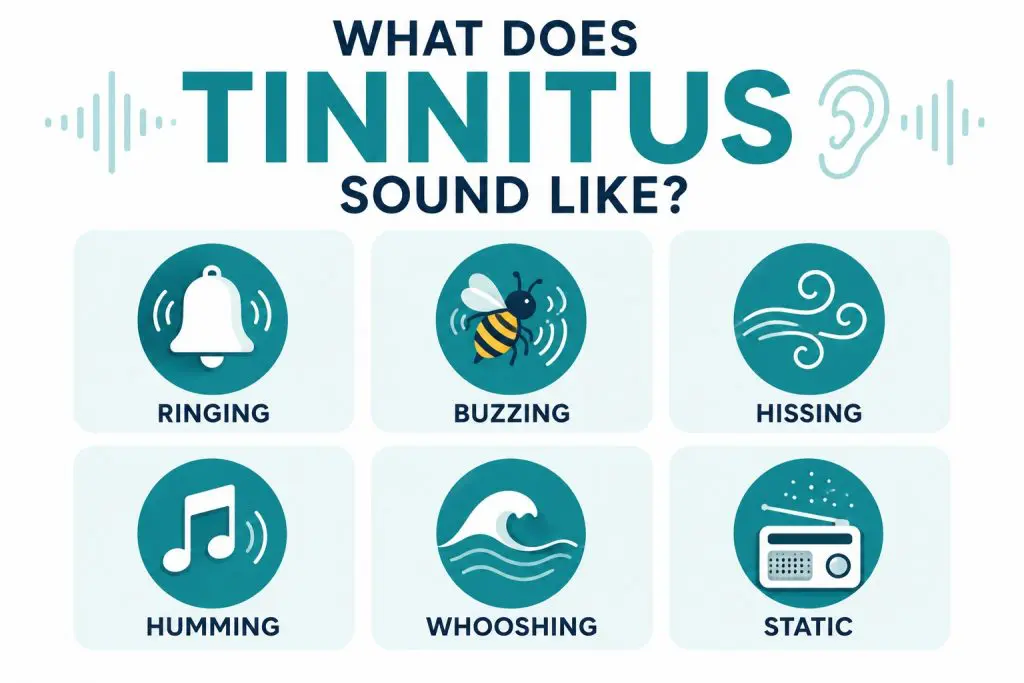
While using earplugs to alleviate tinnitus might seem intuitive, this approach can make the condition more noticeable. By blocking out ambient sounds, earplugs can intensify the internal perception of tinnitus, making it stand out even more.
Tinnitus often becomes more apparent in quieter settings. This is because the lack of background noise makes the internal sounds more prominent, which can be particularly noticeable when using earplugs or in otherwise silent environments.
Many people believe that physically blocking sound to the ears, such as with earplugs, will help stop tinnitus. However, since tinnitus originates from within, this method does not effectively treat the underlying issues causing the condition.
Managing tinnitus typically involves a combination of treatments depending on its cause and severity. This may include sound therapy, counselling to help manage the stress associated with tinnitus, and, in some cases, medication.
If you experience persistent tinnitus or if it affects your quality of life, it’s essential to consult healthcare professionals. They can provide a thorough evaluation and recommend an appropriate treatment plan.
At Melody Audiology, we understand the challenges of living with tinnitus and are equipped to provide comprehensive support and management strategies tailored to your needs. We recommend scheduling a hearing test tinnitus with our specialists if you are experiencing tinnitus or related hearing issues. A professional evaluation can help determine the underlying causes of your symptoms and guide the development of an effective treatment plan.
Effective management of tinnitus requires a multifaceted approach. If tinnitus affects your daily life, consider contacting Melody Audiology for a professional assessment and tailored treatment options.
There is no single “number one” supplement for tinnitus that works for everyone. Supplements like Ginkgo biloba, zinc, magnesium, and B vitamins are often discussed, but their effectiveness varies depending on the individual and the cause of their tinnitus.
For example, Ginkgo biloba is popular for its potential to improve blood flow and reduce inflammation, which may help some people with tinnitus. Zinc and magnesium are also believed to support inner ear health, while B vitamins might assist with nervous system function. However, the scientific evidence supporting the effectiveness of these supplements is mixed, and what works for one person may not work for another.
While supplements may be helpful in some cases, they are not always a reliable or effective treatment option for everyone. In many situations, tinnitus is linked to more complex factors such as hearing loss, noise exposure, or medical conditions like circulatory issues, which may require other forms of treatment. Therefore, it’s important to manage expectations and not rely solely on supplements for relief.
Before trying any supplement, it’s crucial to consult with a healthcare provider. They can assess your specific situation, help identify the underlying cause of your tinnitus, and ensure the supplement won’t interact negatively with other medications or health conditions. A well-rounded treatment plan, possibly involving lifestyle changes or medical interventions, is often more effective than supplements alone.
The relationship between vitamin D and tinnitus is not definitively established, but some research indicates there may be a link. Several studies have found that individuals with tinnitus often have lower vitamin D levels than those without tinnitus. For instance, a meta-analysis revealed that serum vitamin D levels were significantly lower in patients with tinnitus. Vitamin D has anti-inflammatory properties and may influence neuroplasticity and neurogenesis, potentially affecting the mechanisms underlying tinnitus. Some small studies suggest that vitamin D supplementation might help reduce the severity of tinnitus symptoms, though it is not a cure.
Magnesium may help some people with tinnitus, especially when tinnitus is related to noise exposure or inner ear problems. Some studies suggest magnesium can support nerve function and improve blood flow in the inner ear. This may help reduce the severity of tinnitus symptoms in certain cases. However, more research is still needed to fully confirm its effectiveness.
Tinnitus is the experience of hearing sounds like ringing, buzzing, or hissing when no outside sound is present. The sound may be constant or come and go. Tinnitus is usually a symptom of another condition, such as hearing loss, ear injury, or circulation problems.
If you are experiencing tinnitus, it is important to start with a professional evaluation, such as a comprehensive hearing test, to help identify the cause.
Magnesium is an important mineral that supports many functions in the body. It helps regulate nerves, muscles, blood pressure, and blood flow. These functions are closely connected to how the ears and brain process sound.
Healthy magnesium levels may help protect delicate structures in the inner ear from damage caused by loud noise. Some researchers believe magnesium may also improve circulation to the inner ear, which could help reduce tinnitus symptoms in certain situations.
Because tinnitus can have many different causes, magnesium may help some people but not others.
Tinnitus can be triggered by a wide range of factors affecting the ear or nervous system. Some of the most common causes include:
Exposure to loud noise
Hearing loss related to aging
Ear infections or earwax blockages
Circulatory problems
Certain medications
Stress or fatigue
Protecting your ears from loud sounds is one of the most important steps in preventing tinnitus. Using proper hearing protection can help reduce the risk of noise-related hearing damage.
Magnesium supplements may help some individuals, but tinnitus treatment often involves several approaches depending on the underlying cause.
Common tinnitus management options include:
Sound therapy
Cognitive behavioral therapy (CBT)
Hearing devices such as modern hearing aids
Stress management and lifestyle changes
Treating underlying ear or health conditions
At Melody Audiology, we provide comprehensive tinnitus evaluations to identify the possible causes of your symptoms. Our team uses advanced diagnostic tools and personalized care plans to help manage tinnitus effectively.
Early assessment is important because identifying the cause of tinnitus can improve treatment outcomes and help protect your long-term hearing health.
If you are experiencing ringing or noise in your ears, scheduling a professional hearing evaluation can be the first step toward finding relief and improving your quality of life.
No. Vitamin B12 cannot cure tinnitus, but it may help improve symptoms if your tinnitus is related to a vitamin B12 deficiency. Most cases of tinnitus are caused by other underlying factors, so taking B12 supplements alone is unlikely to eliminate the ringing or buzzing in your ears unless a deficiency is contributing to the problem.
Tinnitus is the perception of sound without an external source. People often describe it as ringing, buzzing, humming, whistling, or hissing in one or both ears. It is a symptom rather than a disease and can have many different causes.
Common causes of tinnitus include:
Some research suggests that people with low vitamin B12 levels may be more likely to experience tinnitus, particularly if they also have hearing loss. Vitamin B12 plays an important role in maintaining healthy nerves and red blood cells. When a deficiency is present, correcting it through diet, supplements, or injections prescribed by a healthcare provider may improve tinnitus symptoms for some people. However, this benefit is generally limited to individuals who are actually deficient in vitamin B12.
Because tinnitus has many possible causes, it’s important not to assume that a vitamin deficiency is responsible. A comprehensive hearing assessment can help identify whether hearing loss is contributing to your symptoms, while your family physician may recommend blood tests if a nutritional deficiency or another medical condition is suspected.
Although there is currently no universal cure for tinnitus, many effective treatment options can help reduce its impact on your daily life. Depending on the cause, these may include hearing aids, sound therapy, tinnitus management programs, lifestyle modifications, or referrals for additional medical evaluation. If hearing loss is contributing to your tinnitus, properly fitted hearing aids can often make the ringing less noticeable by amplifying the sounds around you.
At Melody Hearing Clinic, our registered hearing aid practitioners provide comprehensive hearing evaluations to determine whether hearing loss may be contributing to your tinnitus. We’ll explain your results, discuss potential treatment options, and create a personalized management plan based on your individual needs. If you’re experiencing persistent ringing or buzzing in your ears, book a hearing test with our team to take the first step toward understanding and managing your tinnitus.
Yes, tinnitus can sometimes be caused by an infection. Tinnitus is the experience of hearing sounds like ringing, buzzing, or humming when no outside sound is present.
The ear is a complex organ that depends on healthy nerves and proper sound processing. When an infection affects the ear or nearby areas, it can disrupt how sound travels to the brain. This disruption may cause tinnitus.
Common ear infections such as otitis media (middle ear infection) or otitis externa (outer ear infection) can affect hearing and lead to temporary tinnitus.
Infections often cause swelling and fluid buildup in the ear. This can block normal sound signals and create pressure inside the ear.
The Eustachian tubes, which connect the middle ear to the back of the throat, help control pressure in the ear. When an infection blocks these tubes, fluid can become trapped. This pressure may lead to symptoms such as ear pain, hearing loss, and tinnitus.
In some cases, infections may also damage the tiny sensory cells inside the cochlea or affect the auditory nerve. This can cause tinnitus that lasts longer, even after the infection improves.
Both viral and bacterial infections can affect hearing and lead to tinnitus. These infections may involve the ear directly or cause inflammation that spreads to nearby areas.
Examples include:
Middle ear infections
Outer ear infections
Sinus infections
The common cold or respiratory infections
Lyme disease
Rare infections such as meningitis
Some viral infections may affect the auditory nerve, while bacterial infections may disrupt the ear’s normal structure and pressure balance.
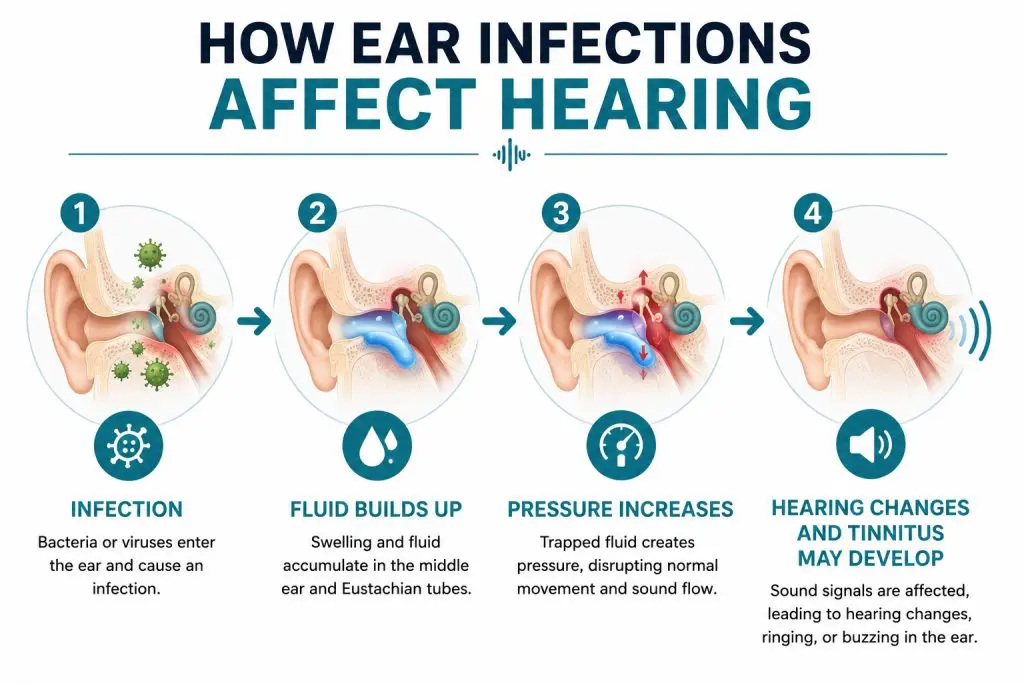
If tinnitus appears suddenly and is combined with other symptoms, it may be linked to an infection that needs treatment.
Watch for symptoms such as ear pain, fluid discharge from the ear, hearing loss, dizziness, or pressure in the ear. These signs may suggest an ear infection or another medical issue.
Getting help early can prevent the infection from getting worse and may protect your hearing from long-term damage.
At Melody Audiology, we provide detailed evaluations to help determine the cause of tinnitus. If an infection may be involved, our team will assess your hearing and identify possible triggers.
Our Tinnitus Care Program focuses on personalized care. We work to find the underlying cause of your tinnitus and recommend treatments that support both hearing health and symptom relief.
Whether your tinnitus is related to an infection or another condition, our goal is to help you manage your symptoms and improve your quality of life.
Yes, a head injury is a common cause of tinnitus. Tinnitus is a condition that causes individuals to perceive sound that is not present in the environment. The damage to the auditory system resulting from head injury can lead to abnormal signals being sent to the brain, triggering the perception of tinnitus. The severity and type of head injury can determine the likelihood of developing tinnitus, with more severe injuries such as skull fractures and traumatic brain injuries carrying a higher risk. Tinnitus caused by head injury can be temporary or permanent, and its symptoms can vary from mild to severe.
Yes, tinnitus can happen after a stroke. Tinnitus is when you hear sounds like ringing, buzzing, or humming without any outside noise.
A stroke can affect parts of the brain that help you hear, such as the temporal lobe or the brainstem. When blood flow is reduced, brain cells may not get enough oxygen. This can change how the brain processes sound and may lead to tinnitus.
It is important to understand that tinnitus is not always caused by ear problems. In some cases, it is linked to changes in the brain after a stroke.
Tinnitus after a stroke may feel different from tinnitus caused by loud noise or an ear infection. The type of sound can vary from person to person.
People may hear sounds such as ringing, buzzing, whooshing, or humming. The sound may come and go, or it may stay all the time.
If you have had a stroke or a mini stroke and notice new tinnitus, you should speak with a healthcare professional. The symptoms may be linked to changes in the brain’s hearing pathways.
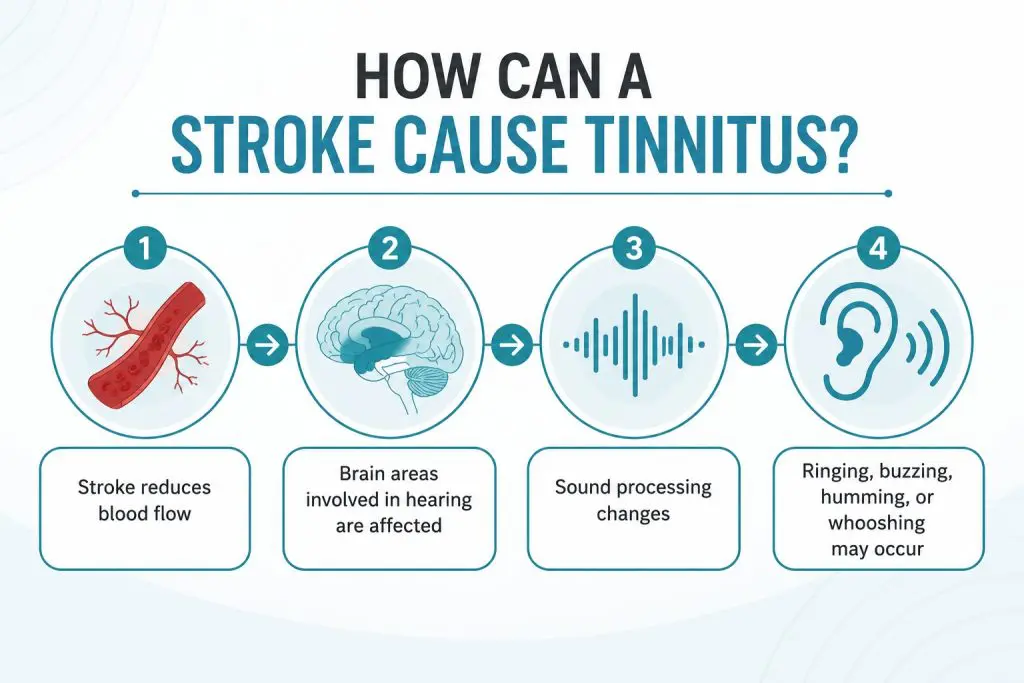
Sudden tinnitus with other symptoms can be a warning sign of a stroke or another serious condition. You should seek medical help right away if you notice ringing in your ears along with dizziness, vision problems, trouble speaking, or weakness on one side of the body.
Early treatment can reduce further damage and support recovery. In some cases, treating the stroke and supporting brain health may also improve tinnitus symptoms.
At Melody Hearing Clinic, we understand that tinnitus can have many causes, including stroke and other neurological conditions. Our care approach focuses on finding the cause of your symptoms.
Our registered hearing aid practitioners use advanced testing to assess your hearing and identify possible triggers. If your tinnitus may be related to a stroke, we work with your healthcare providers to support your care.
Our goal is to reduce tinnitus symptoms and improve your overall hearing health.
Tinnitus does not always have a cure, but many treatments can help manage symptoms. These treatments can make tinnitus less noticeable and easier to live with.
Common options include sound therapy, hearing aids, and counseling. Hearing aids can make outside sounds clearer, which can reduce how much you notice ringing in your ears. Treatment may also include therapies that support brain recovery after a stroke.
If you think your tinnitus may be linked to a stroke, it is important to seek professional care. Early evaluation can help identify the cause and guide the right treatment plan.
Tinnitus is an internal ringing, buzzing, humming, or similar noise that you hear in your ears or head. While it can develop at any age, it most commonly affects adults who have been exposed to loud noise over time or have underlying hearing issues. Living with tinnitus can be frustrating, primarily because the sound often lingers in quiet environments, making it difficult to concentrate or relax. The good news is that there are many supportive steps you can take to address this challenge. This guide will walk you through what tinnitus is, possible causes, effective self-care tips, and how registered hearing aid practitioners and other hearing care professionals can help you find relief.
Tinnitus is not a disease itself, but rather a symptom that can arise from different factors related to hearing health. You may perceive these phantom sounds as ringing, buzzing, or whistling. Some experience high-pitched tones, while others detect a persistent low hum. In many cases, tinnitus appears following prolonged exposure to loud noise in workplaces, concerts, or even from high-volume headphones. This noise exposure can damage the delicate hair cells in the inner ear, potentially contributing to that seemingly constant ringing.
In addition to noise exposure, tinnitus may result from earwax buildup or changes in blood pressure. Even certain medications, especially those known as ototoxic drugs, can trigger or worsen tinnitus symptoms. Persistent stress, neck or jaw problems, and age-related hearing decline are additional contributors. Occasionally, tinnitus can signal a more complex issue that requires the oversight of a hearing care professional or an ear, nose, and throat specialist. If you notice persistent tinnitus, consulting a healthcare provider is recommended to explore potential causes and rule out complications.
Some individuals try to ignore tinnitus, hoping it will fade away on its own. In certain instances, this may happen, especially if the cause was a short-term noise exposure such as a loud concert. However, if the condition lingers, it can significantly affect your ability to concentrate, relax, or enjoy daily conversations. Seeking professional assistance ensures you can identify any underlying hearing issues, establish how to mitigate aggravating factors, and create a management plan that addresses your unique situation.
A comprehensive hearing test is an ideal first step. During this evaluation, a registered hearing aid practitioner or other qualified hearing care provider can gauge your hearing levels, identify potential hearing loss, and check for conditions that might trigger tinnitus. This thorough approach provides a clearer picture of what is happening inside your ears and allows you to explore personalized solutions and support. For those looking to prioritize convenience and accessibility, scheduling a hearing test at a trusted clinic such as Melody Hearing Clinic can prove invaluable. If you are in the Edmonton area, you can book your hearing test at any of their convenient locations, including Downtown Edmonton, Mill Woods, South Edmonton, Sherwood Park, St. Albert, or Calgary.
Living with tinnitus can be challenging, but there are many techniques to help alleviate symptoms. While results can vary per individual, these strategies often reduce stress and promote a calmer environment for your hearing.
A thorough hearing evaluation is one of the most proactive measures you can take if you suspect tinnitus or hearing concerns. Beyond identifying how well you can hear, a hearing test can shed light on whether there are specific frequencies or volume levels that exacerbate your symptoms. Armed with these insights, a registered hearing aid practitioner can tailor solutions that offer meaningful relief.
Hearing tests often involve wearing headphones and responding to various tones. You’ll also complete speech tests to gauge how well you understand words in different environments. These assessments are both noninvasive and usually quite straightforward. If you are 55 or older, some clinics even provide free or low-cost hearing tests, making it easier to stay informed about your hearing health. Proactive detection is invaluable because it directs you to interventions that may reduce the impact of tinnitus on your life.
While tinnitus does not always coincide with hearing loss, many people who have both discover that hearing aids offer significant relief. Modern hearing aids are designed with features that can help mask or reduce the intensity of tinnitus. For instance, some hearing aids include built-in sound generators that produce soothing tones or white noise, thereby diminishing your awareness of the internal ringing.
Additionally, hearing aids improve external sound quality and volume, enabling you to focus on the sounds you want to hear rather than the ringing in your head. By sharpening your overall listening experiences, your brain can spend less energy trying to interpret tinnitus. If you’d like to explore this route, check out hearing aids at Melody Hearing Clinic or consult with another trusted hearing care provider. The goal is to find a comfortable, accessible, and personalized solution that helps restore clarity in your day-to-day life.
Because tinnitus has various triggers and manifestations, a one-size-fits-all approach is rarely effective. Collaborating with a hearing care professional—a trained specialist who understands the nuances of tinnitus—may help you find individualized strategies. A registered hearing aid practitioner can:
Though hearing devices and tests play a pivotal role in tinnitus management, there are additional therapies you might explore. Counseling-based programs like Tinnitus Retraining Therapy (TRT) combine sound therapy with education and counseling to help the brain habituate to tinnitus. Over time, individuals become less conscious of the internal noise, allowing them to reclaim focus and comfort. Cognitive Behavioral Therapy (CBT) can also help reframe negative responses to tinnitus, reducing anxiety and stress that often worsen the symptom.
Massage and physical therapy can be beneficial if neck, shoulder, or jaw issues exacerbate tinnitus. Sometimes, tension in these areas can heighten perception of the ringing. Gentle exercises, particularly those targeting the neck and upper back, might reduce strain and lower the intensity of tinnitus. Holistic approaches like acupuncture or mindful breathing can complement your ongoing efforts by encouraging a heightened sense of relaxation.
If your family member or friend struggles with tinnitus, simple adjustments can make a big difference in your conversations and daily interactions. Speak clearly and face them when talking, ensuring they see both your facial expressions and mouth movements. This makes it easier to distinguish your speech from background noise and any internal buzzing they might be hearing. Lowering extraneous noise, such as turning down the television or moving discussions to quieter rooms, also helps.
Encourage them to be transparent about their symptoms. If tinnitus is particularly bothering them one day, they might need more focused communication strategies or a quieter setting for discussion. Tinnitus can feel isolating, so maintaining open lines of communication fosters understanding and support.
While tinnitus is often linked to common issues like noise exposure or earwax buildup, there are times when it might signal a broader circumstance that deserves specialized medical attention. If you notice a sudden onset of tinnitus, experience dizziness or vertigo, encounter hearing loss in only one ear, or feel severe pain in your ear, seeking help from an ear, nose, and throat specialist is advisable. They can verify whether there are underlying conditions such as Meniere’s disease or other ailments needing targeted treatment.
In some cases, a deeper investigation may be warranted, including imaging studies or consultations with other healthcare professionals. Ultimately, making an appointment with a hearing care professional can help you navigate these complexities. No matter how severe your tinnitus is, taking proactive steps to identify causes early on can be immensely beneficial.
Tinnitus management doesn’t always have a quick fix. Often, it involves an ongoing, step-by-step process. By scheduling periodic follow-ups with your hearing care professional, you can fine-tune any hearing aids or assistive devices, evaluate whether new stressors are affecting your tinnitus, and adjust self-care strategies. This sustained approach ensures you continue to receive personalized care tailored to your changing symptoms and lifestyle.
You may find that your strategies evolve or expand over time. You might initially rely on simple measures like a white noise machine to mask the ringing, but later benefit from more advanced hearing devices or therapy programs as your understanding of tinnitus grows. Keeping a symptom journal can boost your progress. Noting when your tinnitus spikes—along with your activities, stress levels, or diet—may help you recognize patterns and triggers. Such awareness positions you to make more insightful decisions about your hearing health in the future.
Tinnitus can be uncomfortable and distracting, but it is important to remember that management strategies exist to lessen the burden. By protecting your ears, reducing stress, and learning more about your hearing status through professional evaluations, you can regain confidence in daily situations. If you think a hearing test or different therapeutic approaches could help, consider taking that first step. You might discover that solutions such as hearing aids or sound therapy devices can make a world of difference. It all begins with knowledge and a supportive network to guide you forward.
Whether you choose to consult with registered hearing aid practitioners, explore relaxation therapies, or discuss your symptoms with friends and family, know that you are not alone in this journey. There is support available to help you achieve a more peaceful listening experience. By being proactive, seeking professional guidance, and maintaining a healthy routine, you stand a strong chance of reducing the impact of tinnitus on your daily life.
Ultimately, addressing tinnitus is about balancing your physical health, emotional well-being, and hearing care. As you move forward, remember that incremental improvements can accumulate over time. Every small step—whether it’s wearing ear protection, turning on a white noise machine, or reaching out for professional help—plays a vital role in helping you cope with tinnitus until you discover long-lasting relief and a renewed sense of clarity.
Tinnitus is a condition characterized by the perception of sound, such as ringing, buzzing, hissing, or clicking, in the absence of any external source of that sound. It can be a persistent or intermittent sensation that individuals hear in one or both ears. Tinnitus is often associated with hearing loss, exposure to loud noise, age-related changes in the auditory system, and various underlying health conditions. While it can vary in severity and impact, tinnitus can cause distress, sleep disturbances, and difficulty concentrating. Management approaches for tinnitus may include identifying and addressing underlying causes, sound therapy, counselling, and lifestyle modifications to improve overall well-being and reduce the perception of tinnitus.
Yes, exposure to loud noise is one of the most common causes of tinnitus. Prolonged or repeated exposure to loud noise, such as music concerts, construction sites, or loud machinery, can damage the hair cells in the inner ear, leading to tinnitus. The damage to the hair cells can be temporary or permanent and, in some cases, can also result in hearing loss.
It’s important to protect your ears from loud noise to prevent tinnitus and hearing loss. This can include wearing earplugs or earmuffs in noisy environments, taking breaks from noise, and keeping the volume of personal listening devices at a safe level. If you already have tinnitus due to noise exposure, seeing an audiologist is important to determine the severity and potential underlying causes and receive appropriate treatment.
Various factors can cause tinnitus, often related to auditory and neurological changes. The most common cause is inner ear cell damage, where tiny, delicate hairs in the ear move about the pressure of sound waves, triggering ear cells to release an electrical signal through the auditory nerve to the brain. When these hairs are bent or broken, they can leak random electrical impulses to the brain, causing tinnitus. Exposure to loud noise is a frequent cause of ear hair damage, especially among individuals in certain occupations or those who frequently listen to loud music. Age-related hearing loss can also contribute to tinnitus. Other causes include earwax blockage, ear bone changes, Meniere’s disease, TMJ disorders, head or neck injuries, acoustic neuroma, blood vessel disorders, and certain medications. Tinnitus is often a symptom of another underlying health condition, ranging from minor issues like earwax buildup to more severe health concerns like a tumour or circulatory system disorder. It’s important to note that sometimes, the exact cause of tinnitus remains unknown.
Tinnitus, characterized by hearing noises like ringing, buzzing, or humming in the ears in the absence of external sound, is generally not considered a serious or life-threatening condition. However, its impact on quality of life can be significant for some individuals. For many, tinnitus is a nuisance that may cause irritation or minor discomfort. In more severe cases, it can lead to considerable distress, affecting sleep, concentration, work performance, and social interactions. Tinnitus is often associated with other underlying health issues, such as age-related hearing loss, exposure to loud noise, ear infections, and certain diseases. It can also be a side effect of medications. The seriousness of tinnitus largely depends on its underlying cause and the individual’s reaction to the condition. While it can be a chronic condition, many people learn to live with it or find relief through treatment strategies like sound therapy, counselling, hearing aids, or lifestyle modifications. However, suppose tinnitus is accompanied by hearing loss, dizziness, or significant changes in hearing patterns. In that case, seeking medical evaluation is essential, as these could be signs of more serious health problems. In summary, while tinnitus is not typically severe, its impact can be profound and sometimes indicate other health concerns.
Tinnitus is characterized by the perception of noise or ringing in the ears when no external sound is present. Its symptoms can vary from person to person, but commonly include:
The perceived noise may vary in pitch from a low roar to a high squeal, and you may hear it in one or both ears. In some cases, the sound can be so loud it can interfere with your ability to concentrate or hear external sound. Tinnitus may be present all the time, or it may come and go.
There are two main types of tinnitus:
It’s important to note that tinnitus is often associated with hearing loss, but it can also be caused by exposure to loud noises, ear infections, certain drugs, or other health conditions. If you’re experiencing symptoms of tinnitus, consulting with a healthcare professional can help to diagnose the underlying cause and recommend appropriate treatment or management strategies.
Tinnitus is diagnosed through a combination of medical history, physical examination, and specialized tests. Here’s a general overview of the process a healthcare professional might follow to diagnose tinnitus:
Depending on the findings from the initial examinations, additional tests may be recommended:
Some clinics offer specialized tests to evaluate the specific characteristics of your tinnitus, such as its pitch, loudness, and impact on your quality of life.
In some cases, referral to an otolaryngologist (ear, nose, and throat doctor or ENT) or an audiologist specializing in tinnitus management may be necessary for further evaluation and treatment.
Tinnitus, a condition characterized by ringing, buzzing, or other sounds in the ears not caused by external noises, has no known cure to date. However, individuals suffering from this condition have access to several treatment options to manage symptoms and enhance life quality. These options include sound therapy, which uses sounds or white noise to mask tinnitus sounds, reducing their perception. Cognitive Behavioral Therapy (CBT) is another approach designed to help sufferers cope with the emotional and psychological impacts, such as anxiety and depression, by altering negative thought processes and enhancing coping mechanisms. In some cases, medications like antidepressants or anti-anxiety drugs may be prescribed to alleviate symptoms.Consulting a healthcare provider or a registered hearing aid practitioner is crucial to identify the root cause of tinnitus and develop a tailored treatment plan that addresses specific symptoms and aims to improve overall quality of life.
The duration of tinnitus recovery varies greatly among individuals and depends largely on its underlying cause.
For some, tinnitus is a temporary condition that resolves within a few days to a week, especially if it’s related to short-term exposure to loud noise, earwax buildup, or a brief episode of an ear infection.
When tinnitus is associated with long-term noise exposure, age-related hearing loss, or chronic health conditions, it might become a permanent condition. In these cases, while the tinnitus itself may not fully disappear, individuals often become less aware of their tinnitus over time or learn to manage it effectively through treatment and coping strategies.
Treatment options such as hearing aids, sound therapy, counseling, and tinnitus retraining therapy can significantly improve quality of life and reduce the perception of tinnitus.
It’s essential to consult with a healthcare professional for an accurate diagnosis and appropriate management plan tailored to the individual’s situation. Early intervention can be crucial in managing tinnitus more effectively.
Preventing all cases of tinnitus is not possible, but there are some steps you can take to reduce your risk of developing tinnitus. These include protecting your ears from loud noise, managing stress, avoiding ototoxic medications, and maintaining a healthy lifestyle. If you do develop tinnitus, early intervention, and treatment may help to prevent it from getting worse.
The duration of an episode of tinnitus can vary widely depending on the underlying cause, severity, and individual factors. In some cases, tinnitus may be temporary and go away on its own, while in other cases, it may be persistent and last for years. Acute tinnitus, a sudden onset of symptoms, may last a few days to several weeks. Chronic tinnitus, which is defined as symptoms lasting for more than three months, can persist for years. It’s important to seek medical attention if you experience tinnitus so that the underlying cause can be identified and appropriate treatment can be provided.
Counseling can be beneficial for individuals with tinnitus by providing psychological support and practical strategies to manage the condition. Cognitive Behavioral Therapy (CBT) is particularly effective, helping change negative thought patterns and reactions associated with tinnitus, thereby reducing its impact on one’s life. Tinnitus Retraining Therapy (TRT) combines sound therapy with counseling to help individuals learn to ignore the tinnitus sound. Additionally, counseling can offer stress management techniques, as stress often exacerbates tinnitus symptoms. Education about the condition and access to support groups through counseling can also alleviate anxiety and distress. Overall, while counseling does not cure tinnitus, it can significantly improve quality of life by helping individuals cope more effectively with the symptoms.
Yes. Lifestyle changes cannot cure tinnitus or make every sound disappear, but they can often make ringing, buzzing, humming, or other ear noises less noticeable and less disruptive. Tinnitus tends to feel more intense when a person is tired, stressed, in a very quiet room, or exposed to more loud noise. Small, consistent habits can support better sleep, reduce aggravating factors, and make it easier to focus on daily life. The approaches that help most are individual, so it is useful to notice patterns rather than expecting one solution to work for everyone.
If tinnitus is new, changing, or affecting communication, sleep, concentration, or mood, a professional hearing assessment is a sensible first step. Tinnitus commonly occurs alongside hearing loss, including gradual changes that may not be obvious in everyday conversation. A hearing test can help clarify whether hearing changes may be contributing and identify appropriate next steps.
Repeated exposure to loud sound can worsen tinnitus and contribute to further hearing damage. Protecting your hearing is especially important around power tools, machinery, concerts, sporting events, motorcycles, firearms, and loud recreational equipment.
Protection should reduce harmful noise without isolating you from every normal sound. Wearing earplugs all day in ordinary environments can make the contrast with tinnitus more noticeable for some people. A registered hearing aid practitioner can help you explore hearing protection that suits your work, hobbies, and comfort needs.
Tinnitus is often easier to notice in a quiet bedroom, office, or home. Low-level background sound can reduce the contrast between tinnitus and silence, making the sound feel less prominent. This is sometimes called sound enrichment. The goal is not to drown out tinnitus at a high volume, but to create a comfortable sound environment.
Options may include a fan, quiet music, nature sounds, a radio at low volume, or a bedside sound machine. Choose a sound that feels calming and keep it at a safe, comfortable level. At night, avoid turning the volume up enough to interfere with sleep or create another source of noise exposure. Experimenting with a few options can help you find what is least distracting.
Fatigue can make tinnitus harder to manage, while tinnitus itself can make falling asleep more difficult. A predictable sleep routine may help reduce this cycle. Try to keep similar sleep and wake times, make the bedroom dark and comfortable, and reserve the bed for sleep rather than scrolling, working, or watching stimulating content.
It can be helpful to focus on resting rather than trying to force sleep. Worrying about tinnitus at bedtime can increase tension and make the sound seem louder.
Stress does not necessarily cause tinnitus, but it can increase awareness of it and make it feel more bothersome. Relaxation practices can help lower the physical tension and attention that often keep tinnitus in the foreground. Consider techniques such as slow breathing, mindfulness, progressive muscle relaxation, yoga, or a regular walk outdoors. The best option is one you can use consistently.
Regular physical activity supports overall health, sleep, and stress management. Start with an activity that fits your mobility and interests, such as walking, swimming, cycling, gardening, or a fitness class. If you have a medical condition or have been inactive for some time, ask your primary health-care provider what type and amount of activity is appropriate.
Support from a counsellor or psychologist may also be valuable when tinnitus causes persistent worry, frustration, low mood, or difficulty participating in daily life. Cognitive behavioural therapy is designed to help people change unhelpful thought and stress patterns related to tinnitus. It does not claim to remove the sound, but it may help reduce tinnitus-related distress and improve coping.
Some people notice that caffeine, nicotine, alcohol, dehydration, or certain foods appear to make their tinnitus more noticeable. However, these effects vary widely. There is no single tinnitus diet, and overly restrictive changes are not necessary for everyone.
A practical approach is to keep a brief record for a few weeks. Note when tinnitus is more noticeable, along with sleep, stress, noise exposure, meals, drinks, and activity. If a consistent pattern appears, make one manageable change at a time and observe whether it helps. For example, you might reduce late-day caffeine or avoid alcohol before bed. Maintaining regular meals, drinking enough water, and following a balanced diet can also support general health and energy.
If you smoke or use nicotine, reducing or stopping can benefit overall circulation and health. A health-care professional can help you choose a realistic plan and access support. Do not stop prescribed medication because you think it may be affecting tinnitus without first discussing it with the clinician who prescribed it.
When tinnitus occurs with hearing loss, difficulty hearing surrounding sounds can make internal noise more noticeable. For some people, appropriately fitted hearing aids may improve access to speech and everyday environmental sound, which can make tinnitus less intrusive. Hearing aids are not a cure for tinnitus, and whether they are appropriate depends on your hearing results, communication needs, lifestyle, and preferences.
Simple communication strategies can also reduce listening effort and stress: choose quieter seating in restaurants, face the person speaking, reduce competing background noise when possible, and let family or friends know when you need them to speak clearly. Reducing the strain of trying to follow conversations can make daily life more manageable.
Arrange medical attention promptly if tinnitus begins suddenly with a noticeable change in hearing, severe dizziness, weakness, facial symptoms, or after a head injury. It is also important to discuss tinnitus with a medical professional if it is only in one ear, pulses in time with your heartbeat, is steadily worsening, or significantly affects sleep, concentration, or emotional wellbeing. These symptoms do not always indicate a serious problem, but they deserve timely assessment.
For ongoing tinnitus, Melody Hearing Clinic can help you understand your hearing and discuss practical tinnitus support. Booking a hearing assessment provides a clear starting point for informed decisions, whether the next step is hearing protection, communication strategies, hearing aids, or referral to another health-care provider when appropriate.
Tinnitus is a ringing, buzzing, or humming sound in the ears that can interrupt your daily life, making it harder to focus on conversations or enjoy the sounds of everyday activities. It can stem from many different causes, such as age-related hearing loss, earwax buildup, and exposure to loud noises. Although less common, certain types of tumors can also cause tinnitus. Recognizing how tumors—particularly an acoustic neuroma (vestibular schwannoma)—may contribute to tinnitus is an essential step for anyone experiencing long-lasting or unusual symptoms in one ear.
Before diving into the specific role that tumors can play, it helps to understand the basics of tinnitus. Tinnitus itself is not a disease but often a symptom of an underlying issue within the auditory system. Commonly, the causes of tinnitus include:
Tinnitus can manifest in both ears or in just one ear (unilateral tinnitus). It can sound like ringing, buzzing, whistling, or hissing, and it may persist or come and go intermittently. Although most causes of tinnitus do not involve tumors, understanding when a tumor might be present helps ensure early detection and, if necessary, effective treatment.
While tinnitus is more commonly linked to other factors, its presence—especially in one ear—can sometimes point to an acoustic neuroma or other growth in or near the ear. Here is a closer look at how tumors can contribute to tinnitus:
Recognizing these mechanisms can help you understand why tumor-related tinnitus is typically one-sided. Generally, an acoustic neuroma grows slowly on the cranial nerve adjacent to one inner ear. As the tumor expands, it can press on hearing nerves in that ear, leading to both hearing loss and a chronic ringing or buzzing sound.
The most commonly known tumor associated with tinnitus is the acoustic neuroma, also referred to as a vestibular schwannoma. This benign growth forms on the vestibulocochlear nerve, which transmits information about hearing and balance from your ear to your brain. Although it is not cancerous, an acoustic neuroma can still set off disruptive symptoms, including:
These tumors grow slowly, meaning symptoms might emerge little by little and seem mild or fleeting at first. Many people only notice that their hearing is not as sharp on one side or that a subtle ringing sound lingers. Over time, though, as the tumor enlarges, the symptoms often become more pronounced, making it harder to adapt and function comfortably.
Although acoustic neuromas are the most well-known tumors in connection with tinnitus, other types of growths can also play a role, including:
It is important to note that although tumors are a possible cause of tinnitus, they account for a relatively small percentage of all tinnitus cases. Most people experiencing tinnitus will find that it originates from more common factors, such as noise-induced damage or age-related hearing changes. However, if you have notable, one-sided symptoms—especially if they persist or worsen with time—seeking an evaluation from a hearing professional or physician can help ensure you get the correct diagnosis.
Many people live with mild or occasional tinnitus, often writing it off as a harmless companion to hearing changes or listening habits. Yet there are specific signs and conditions that warrant prompt attention from trained professionals:
Paying attention to these red flags can help you catch potential problems early and improve the odds of effective treatment. Even in cases where a tumor is not present, identifying the root cause of your tinnitus can move you closer to relief.
If you suspect that a tumor could be a factor in your persistent tinnitus, scheduling a comprehensive hearing evaluation is typically one of the first steps. Hearing clinics, such as Melody Hearing Clinic, can perform thorough tests to assess your hearing range, determine whether you are experiencing asymmetrical hearing loss, and evaluate the nature of your tinnitus. Some of the diagnostic approaches may include:
Pinpointing the precise cause of tinnitus supports effective treatment planning and also gives you a measure of reassurance. While hearing tests cannot directly detect tumors, the information gleaned from a comprehensive hearing test can prompt further investigation if the results raise any red flags.
When tinnitus results from a tumor like an acoustic neuroma, treatment often focuses on removing or monitoring the growth. In many acoustic neuroma cases, because the tumor develops slowly, doctors may choose to watch and wait, especially when the mass is very small. However, if the tumor continues to expand, more direct interventions might include:
By addressing the tumor and implementing strategies to reduce tinnitus, many individuals find that they can regain a sense of normalcy and continue their day-to-day lives.
With tumors influencing the nerves in your inner ear, early detection can significantly increase your treatment choices and overall satisfaction. The sooner you know whether a tumor is behind your tinnitus, the faster you can act to protect your hearing and well-being. Not only can prompt care halt further damage, but it also gives you valuable peace of mind, especially if the cause is benign or manageable. Early detection also aligns with the goal of staying connected and avoiding complications that might stem from delayed intervention.
If a tumor is not the cause of your tinnitus, there are still ways to nourish and protect your hearing health over the long term. Part of embracing a proactive approach includes:
Taking these steps can help you continue to hear clearly and stay connected to the people and activities that bring you joy. Tinnitus can certainly affect your life, but there are always strategies and solutions to help you manage it and maintain your quality of life.
A thorough hearing evaluation is essential whenever unilateral or persistent tinnitus begins affecting your daily routine, or if you notice other symptoms like dizziness or significant hearing differences between your ears. Registered Hearing Aid Practitioners and hearing care professionals offer easy, convenient testing designed to shed light on your ear health. Since early detection often makes treatment simpler, scheduling an appointment is a proactive way to ensure any serious cause—like acoustic neuroma—is detected sooner.
If you are 55 or older and want a “check-up” on your hearing, many clinics—including Melody Hearing Clinic—provide a comprehensive hearing test at little or no cost. It can be reassuring to have a professional confirm whether your tinnitus is due to something like earwax or noise exposure—or whether you should consider imaging studies for a closer evaluation of the inner ear.
Should you need further assistance in managing tinnitus, Melody Hearing Clinic takes a patient-first approach to care. Their registered hearing aid practitioners combine straightforward explanations with guidance and support, creating an accessible environment for anyone worried about their hearing. In many cases, you can:
With several clinic locations, including Downtown Edmonton, Mill Woods, South Edmonton, Sherwood Park, St. Albert, Calgary, and Windermere, Melody Hearing Clinic is committed to making hearing health simple and accessible for all. Whether you are curious about your ear health or ready to address tinnitus issues head-on, the clinic’s dedicated team can point you toward the right solutions.
Although discovering that tinnitus can stem from a tumor may sound intimidating, it is important to remember that tumor-related tinnitus is less common than other causes. By understanding the warning signs—and by consulting qualified professionals when tinnitus is persistent or severe—you can take confident steps toward identifying what is behind the ringing in your ears. Whether the source is an acoustic neuroma or a more typical factor like noise exposure, today’s hearing care landscape offers many ways to find relief, regain clarity, and keep enjoying daily life.
Taking proactive measures, such as scheduling regular hearing evaluations and consulting with caring experts, can make all the difference in addressing tinnitus early. If you find yourself struggling to hear clearly or are bothered by ongoing ringing, buzzing, or hissing, consider reaching out for support. Through early detection, individualized strategies, and comprehensive resources, you can maintain your connection to the sounds and experiences that matter most—and hear with greater peace of mind.
Hearing aids, though not a cure for tinnitus, can play a significant role in mitigating its effects. Tinnitus, characterized by a persistent ringing in the ears, can be a distressing condition, affecting daily activities and quality of life. However, by enhancing surrounding sounds, hearing aids can make this ringing less pronounced, helping individuals to better cope with the condition. This occurs because the brain shifts its focus to the amplified sounds rather than the constant ringing, thus providing a form of relief. It’s important for those experiencing tinnitus not to ignore it or hope it will simply go away. Taking proactive steps, such as seeking professional advice, is crucial. A consultation with a specialist can offer tailored advice and strategies for managing tinnitus. During such consultations, individuals can explore various options, including hearing aids, and receive guidance on the most effective methods for their specific situation. This personalized approach ensures that the management strategy aligns with the individual’s lifestyle, needs, and severity of their tinnitus, offering a pathway to improved daily living and well-being despite the condition.
Yes, a hearing test can detect tinnitus. Tinnitus is a common condition that causes ringing in the ears. If you are experiencing any changes in your hearing, it is important to see an audiologist for a comprehensive evaluation.
If you are experiencing ringing in your ears, you should make an appointment to see an audiologist or a registered hearing aid practitioner. Tinnitus can be a symptom of a more serious underlying problem. A healthcare professional can assess your hearing and determine the cause of your tinnitus.