
Frequently Asked Questions
Earwax, also known as cerumen, is a natural substance that helps protect and lubricate the ear canal. Although it may not always be top of mind, earwax plays a vital role in your overall ear health by preventing dust, small particles, and microorganisms from reaching deeper parts of the ear. In many cases, earwax moves toward the outer ear on its own, where it dries and flakes away. However, sometimes it can build up or become impacted. When this happens, it may create issues like ear discomfort, temporary hearing difficulties, and even increased risk of infection if not addressed properly.
One of the common questions people have is whether a Registered Hearing Aid Practitioner (RHAP) can assist with earwax removal. The short answer is yes: many RHAPs receive training in ear care and wax management as part of their comprehensive education in hearing health. However, the specific services offered can vary from practitioner to practitioner. Below, we will explore how earwax forms, what roles an RHAP typically performs in earwax removal, and how to determine the best way to have your ears cleaned safely.
Before diving into who removes earwax, it is helpful to understand why it exists in the first place. Earwax is produced by glands in the ear canal. Its sticky consistency helps trap dirt and other particles to keep them from traveling deeper into your ear. Additionally, earwax provides a slightly acidic surface within the ear canal, which can help reduce bacterial or fungal growth. In this way, earwax acts as a shield that protects the delicate ear structures from harm. Interestingly, earwax production can vary from person to person. Some people naturally produce more wax than others, and some individuals have drier or softer earwax, depending on genetics or environmental factors.
In most circumstances, earwax will exit the ear naturally. However, when it accumulates or is pushed deeper into the ear by cotton swabs or other objects, a blockage can form. This blockage might cause discomfort, ringing in the ears (tinnitus), muffled hearing, or itching. If left unattended, impacted earwax can lead to more significant problems like ear canal infections. Therefore, knowing when—and how—to remove excess earwax is essential.
When it comes to earwax removal, there are several recommended approaches. Professional services are typically the safest route, as trained healthcare providers know how to remove wax while minimizing injury to the ear canal or eardrum. Here are a few methods professionals often use:
Some individuals attempt earwax removal at home using over-the-counter ear drops or ear irrigation kits. While mild cases of excess wax can sometimes be managed this way, it is advisable to consult a professional first to ensure it is appropriate for your situation. The ear canal and eardrum are delicate, so caution is key. Using cotton swabs, earpicks, or other unapproved objects can push wax deeper into the canal or even damage the ear, leading to more severe issues down the road.
Registered Hearing Aid Practitioners specialize in hearing health, focusing on the assessment, selection, and fitting of hearing aids, as well as ongoing care and maintenance. Many RHAPs receive training in identifying problems within the ear canal, including excessive earwax. While their main responsibility lies in ensuring better hearing through devices like hearing aids, being able to recognize earwax issues and, in many cases, offering earwax removal services is an important part of their skill set. Of course, whether an RHAP offers earwax removal may depend on the clinic’s policy and the individual scope of practice within that region.
Because they work closely with patients seeking hearing solutions, RHAPs are often the first to identify if earwax is impacting a hearing test result or the effectiveness of a hearing device. For example, a patient complaining of reduced sound quality in their hearing aids might simply have a buildup of wax that needs removing. By addressing this concern, the RHAP helps restore clearer hearing and reduces the chance of complicating issues like repeated feedback or reduced amplification.
When an RHAP provides earwax removal, they usually follow a protocol similar to that of other ear care professionals—making sure to inspect the ear canal thoroughly, choose a safe removal method, and advise patients on how to maintain good ear hygiene moving forward. Like other healthcare providers, if the RHAP encounters a more serious ear condition, they may refer the patient to an Ear, Nose, and Throat (ENT) specialist or a medical doctor.
Whether you choose an RHAP, an ENT specialist, or another medical professional, it is always a good idea to seek professional help with earwax removal if:
Opting for a trained professional ensures the task is done correctly. The risk of damaging your eardrum or ear canal is significantly lower when relying on someone with specialized expertise. Plus, professionals can observe the overall health of your ear, spotting any early signs of infection or inflammation. Addressing these concerns early can prevent more serious issues in the future.
When you schedule an earwax removal appointment with an RHAP or other healthcare provider, here’s what you can typically expect:
If you are visiting a hearing care clinic for this service, you can also have your hearing checked afterward. A buildup of earwax can mimic forms of hearing loss by blocking sound. Once removed, you may discover that your hearing is noticeably clearer.
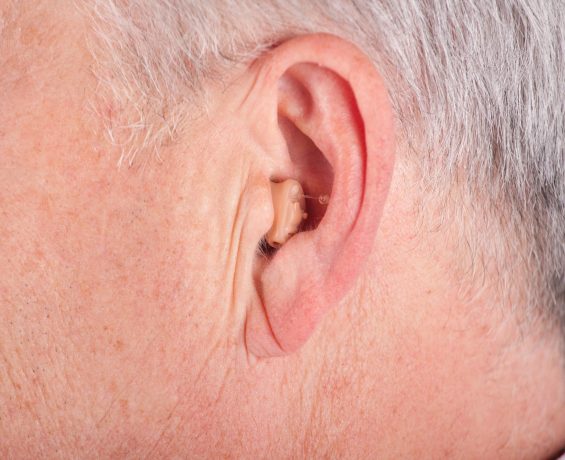
For individuals who wear hearing aids or other devices, earwax can cause multiple problems. Excess wax can clog the receiver opening of a hearing aid, distort sound quality, and lead to whistling or feedback. Regular cleanings—both of your ears and your devices—help maintain optimum performance. If you are noticing decreased clarity or volume, it could be due to wax in your ears or in the device tubing or receiver. A Registered Hearing Aid Practitioner is well-equipped to inspect your device and your ear to pinpoint the root cause.
When earwax removal is done periodically, hearing instruments can function more effectively. Some hearing aid wearers go months without realizing that wax buildup was compromising sound quality. Cropping up gradually, this decline in performance can go unnoticed. That’s why it is helpful to combine regular hearing checkups with consistent ear hygiene.
If you have any underlying ear conditions or significant wax buildup that an RHAP is not comfortable removing, you may be referred to an ENT doctor. ENTs specialize in conditions of the ear, nose, and throat, and they handle more complicated scenarios, such as infections or structural abnormalities within the ear. In such cases, seeking the right specialist ensures you get the care that best meets your needs.
It is also good to remember that not every ear-related issue is resolved by simply removing wax. Persistent hearing difficulties might signal underlying hearing loss. If you suspect your hearing has changed, consider scheduling a comprehensive evaluation. Should you need help with hearing aids, many clinics can guide you through suitable options. Some clinics, like Melody Hearing Clinic, provide comprehensive assessments and hearing aids for individuals who struggle with noise-induced or age-related hearing decline. If you’re in the St. Albert area—or one of the many other locations—they may evaluate whether earwax is part of your issue or if other measures are needed to enhance your hearing.
To reduce the risk of wax blockages, there are safe ways to care for your ears at home. One of the most essential tips is to avoid putting anything smaller than your elbow into your ear canal—a humorous but effective reminder to steer clear of cotton swabs and other objects. In addition, here are some guidelines for day-to-day ear care:
For individuals interested in monitoring their hearing capacity over time, consider a professional hearing test, such as the services offered at Melody Hearing Clinic. You might be surprised at how a quick test can reveal the difference between a wax-related hearing concern and a more lasting hearing issue that requires further attention. With many clinics now offering free or reduced-cost screenings to patients 55 and older, taking the first step is simpler than ever.
If you have persistent hearing difficulties—even after earwax removal—it may be time to consider a comprehensive hearing exam. A full evaluation can determine whether you might benefit from hearing aids. If recommended, you can explore modern devices that offer discreet designs, Bluetooth connectivity, and more. Your Registered Hearing Aid Practitioner can guide you toward hearing instruments that suit your lifestyle and budget. To learn more about advanced hearing solutions, you can visit hearing aids page.
Hearing tests are quick, painless, and can provide valuable insight into your auditory health. Even if you don’t currently experience significant hearing difficulties, identifying early signs of hearing changes can help you take proactive steps. This can be as simple as regular screenings, adopting protective measures in noisy environments, or implementing small lifestyle changes.
A Registered Hearing Aid Practitioner is often qualified to remove earwax, especially if they have training and experience in ear health. While their primary focus is on hearing evaluations and hearing aid fittings, many RHAPs will address excess wax when it interferes with hearing tests or hearing devices. Regardless of whether you see an RHAP, an ENT, or another medical pro, seeking skilled care for earwax removal is a wise decision—particularly if you have noted discomfort, hearing difficulties, or a recent decline in your hearing aid’s performance.
By maintaining healthy ears, you alleviate immediate symptoms and help foster long-term hearing health. Earwax removal is just one part of this equation. Regular hearing checkups, proper ear care, and suitable hearing solutions all work in harmony to preserve clarity and comfort. Taking these steps will keep you connected to the world of sound and ensure that small issues like earwax buildups don’t evolve into something larger.
If you have concerns about earwax affecting your hearing or need advice on safeguarding your auditory wellness, a Registered Hearing Aid Practitioner can guide you with compassion and expertise. With the right knowledge and professional support, you can take action early, avoid complications, and enjoy the fullest possible range of sound.

Cleaning earwax buildup should be done with care to avoid pushing the wax further into the ear canal or causing damage. Here’s a safe and effective method for cleaning wax buildup:
If you’re experiencing symptoms like hearing loss, pain, drainage, or a feeling of fullness in the ear, consult a healthcare professional before attempting any cleaning methods. They can evaluate your situation and recommend the best approach for your specific needs.
Hearing Services