
Frequently Asked Questions
Children with hearing loss deserve the best possible solutions to help them thrive in their everyday environments. Their hearing needs and preferences can differ greatly from adults, especially as they grow and develop new communication skills. While there are many styles of hearing aids on the market, certain features and design elements make particular models more child-friendly. In this expanded guide, we will discuss which hearing aids are typically most suitable for children, as well as key factors like comfort, durability, and adaptability. By the end, you will have a clearer understanding of how these devices support pediatric hearing care, and you will be better prepared to find the right match for your child’s needs.
Understanding and selecting the right hearing aid for a child can have a profound impact on speech development, social relationships, and self-confidence. Children learn language primarily through listening and imitating, so even mild hearing challenges can significantly slow down this development. Additionally, children navigate diverse and often noisy environments, such as classrooms, playgrounds, and extracurricular activities. Selecting a device that is robust, comfortable, and easy to maintain helps ensure children remain engaged and connected with their surroundings.
In many instances, parents or caregivers make this decision in collaboration with registered hearing aid practitioners. These professionals understand how vital it is to detect possible hearing issues early, and how equally important it is to provide proper long-term solutions. A device that fits well, stands up to active play, and allows room for growth can help children adapt normally and stay on track in school and social life.
Behind-the-ear (BTE) hearing aids are widely considered an excellent choice for children. As the name implies, these devices sit behind the child’s ear, with sound transmitted via a small tube that connects to an ear mold custom-fitted for each ear. Below are some of the core advantages of BTE models:
In addition to these advantages, BTE hearing aids are suitable for a wide spectrum of hearing levels, from mild to more pronounced hearing loss. This flexibility means children can continue using the same style of hearing aid even if their hearing changes slightly over time. It also makes the initial selection process more straightforward for parents.
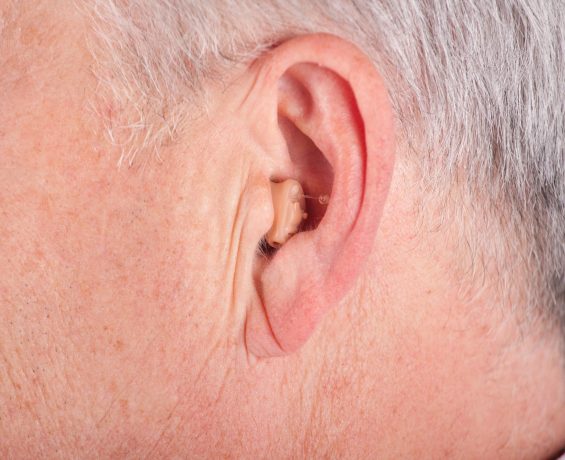
While in-the-ear (ITE) or in-the-canal (ITC) hearing aids may be appropriate for adults, they are less common choices for young children. One of the key reasons is that ITE shells are custom molded to the wearer’s ear canal. Since children’s ears grow at a fast rate, these shells would need frequent replacement. This can be costly, time-consuming, and inconvenient for both the parents and the child.
Moreover, smaller in-the-ear devices are easier for children to misplace or remove. If a child loses a hearing aid at school or on the playground, it can cause stress and interrupt ongoing use. Some older children or teenagers may prefer an in-ear style that is more discreet, especially if they are conscious of their appearance. Parents and specialists might consider an ITE option for a teenager who has a more stable ear size and can handle the associated cleaning and upkeep responsibilities. However, in most cases for younger children, BTE remains the standard recommendation.
In some situations, children have unique needs that might require a specialized solution. For instance, children born without a fully developed ear canal structure or those who experience chronic ear infections might find it difficult to use conventional hearing aids. In such cases, bone conduction hearing aids could be beneficial. These devices bypass the ear canal by transmitting sound vibrations through the bone behind the ear, ensuring that the inner ear receives the necessary auditory signals. While less common, these devices can be life-changing for children whose anatomy or medical challenges prevent the use of traditional hearing aid styles. Regardless of the type of device, working closely with a registered hearing aid practitioner helps parents explore all available options and make the right decision for their child.
One of the reasons BTE hearing aids are so convenient for children is the relatively simple process of replacing ear molds as the child grows. To maintain optimal sound quality and fitting comfort, regular check-ups and ear mold changes are often necessary. If the ear mold becomes too tight or loose, children might experience feedback (whistling noise), reduced sound effectiveness, or discomfort. Frequent mold replacements ensure the device continuously aligns with the child’s changing ear size and shape.
Many hearing clinics offer scheduled follow-up appointments for children to test hearing aid function, measure growth, and create new ear molds when needed. These routine visits also allow practitioners to assess the child’s progress and confirm that the hearing aids are correctly calibrated. It is an ongoing process that helps keep children’s hearing at its best and promotes consistent development of speech and language skills.
When first fitting a child with hearing aids, parents often wonder how to manage everyday tasks and routines. Below are some practical suggestions for making the process easier and more reliable:
Children often spend a large portion of their day in a classroom, so finding ways to optimize learning environments is crucial. Many modern BTE hearing aids easily integrate with assistive technologies, such as FM systems or digital streaming devices, that help suppress background noise and emphasize the teacher’s voice. This can be particularly valuable if the child is seated far from the teacher or if the room itself is acoustically challenging.
Some schools and education centers already have these technologies in place. Parents can speak with teachers, school administrators, or their child’s hearing care provider to explore any additional hardware or connections that might be needed. Ensuring that your child has consistent access to the teacher’s instructions, questions, and discussions can greatly enhance both academic success and overall confidence in social interactions.
Early detection is critical for successful pediatric hearing care, which is why many experts recommend scheduling hearing assessments as soon as a concern arises. A comprehensive hearing test helps determine the type and level of hearing challenge. Once that information is in hand, the hearing care provider can tailor a solution specifically for your child. If you visit a comprehensive clinic like Melody Hearing Clinic, you can count on registered hearing aid practitioners who understand how to test children’s hearing in a calm, engaging way, and who can interpret the results accurately. An accurate test is the best foundation for selecting the ideal hearing aid style, whether it’s BTE or a specialized option.
When it comes to pediatric hearing aids, cost can be a concern for families. It is helpful to know that many insurance plans and government programs provide some level of coverage for children’s hearing care. The exact coverage will vary by location and type of plan. In addition, certain clinics may offer financial plans or payment arrangements that make hearing aids more accessible for families.
Although the upfront cost can sometimes seem high, remember that investing in your child’s hearing health sets them up for strong language skills and robust social development. BTE hearing aids can be particularly cost-effective over time since they only require new ear molds as your child grows, rather than completely different hearing aids.
While behind-the-ear hearing aids are often recommended for infants and young children, older children and teenagers might have more choices. By the time a child reaches adolescence, their ear canal growth slows down. This can open the door to other hearing aid styles, such as in-the-ear models, which some teenagers find less noticeable. It’s important, however, to balance aesthetic concerns with practicality and performance. Teenagers are generally more responsible when it comes to cleaning and maintaining their devices, but they may also lead busy, active lives that demand a robust and moisture-resistant device. For that reason, it’s critical to speak with a hearing care provider to determine the best style.
Regardless of age, children who participate in sports and extracurricular activities need hearing aids that stay securely in place. Sports headbands, hearing aid clips, or custom retention accessories can help prevent the device from falling off during play. Talk to your child’s hearing care provider about these available solutions if you notice that your child’s hearing aids tend to slip or risk getting damaged during high-energy activities.
One of the most important things parents can do is maintain regular follow-up with hearing care practitioners. Children’s hearing needs can evolve, and technology also improves over time. Staying connected with a qualified clinic means you can explore new features, accessories, and program updates that might further enhance your child’s hearing experience. Additionally, these ongoing interactions give parents a chance to discuss any day-to-day challenges, from device fit adjustments to classroom acoustics.
If you are looking for more information on different types of hearing aids, you can explore the Hearing Aids page to see the various solutions in detail. Clinics like Melody Hearing Clinic often display the range of options they offer, making it easier for families to make informed decisions for their children.
In summary, behind-the-ear hearing aids tend to be the most suitable option for children due to their adaptability, durability, and compatibility with classroom technology. They not only span a wide range of hearing needs, but they also accommodate a child’s natural growth. Equally important is the fact that these devices often come with features designed to protect young wearers, such as tamper-resistant battery compartments and ear molds that can be quickly changed.
Parents exploring pediatric hearing solutions have several factors to keep in mind: the family’s budget, the child’s level of activity, and the current level of hearing health. Working with registered hearing aid practitioners can simplify these considerations. A proper fitting and routine follow-up appointments help ensure your child experiences consistent improvement in speech and language development, social engagement, and confidence. By prioritizing a supportive and individualized approach, you can help your child embrace a future full of clear sound and endless possibilities.

Hearing Services