
Frequently Asked Questions
Custom ear molds are an essential part of many hearing aid fittings. These specialized pieces sit snugly within the contours of the ear canal, delivering clear sound and minimizing feedback. Whether you are new to hearing aids or simply curious about how these custom solutions are created, it helps to know each step of the process. Below is a detailed look at how ear molds are made, why they matter for optimal hearing health, and what you can expect when working with a registered hearing aid practitioner.
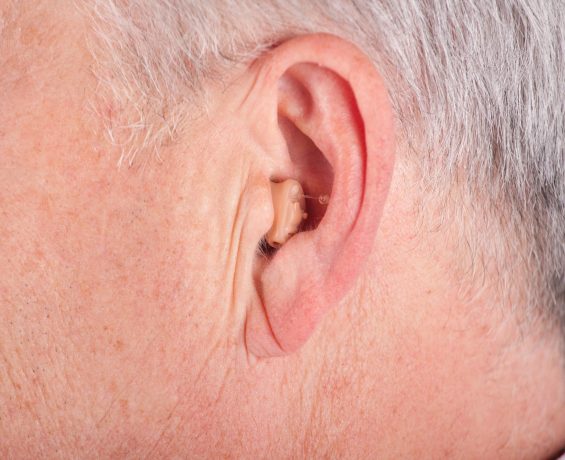
In the simplest terms, custom ear molds are tailored pieces that attach to a hearing aid device and fit perfectly in your ear canal. They are molded from the unique shape of your ear and made from materials such as soft silicone or acrylic. Because everyone’s ear anatomy is different, creating a personalized mold is necessary to ensure a comfortable, secure fit. This helps preserve sound quality, reduces whistling or feedback, and can improve communication in day-to-day life. Whether you’re looking to address age-related hearing loss or wish to stay connected with loved ones, custom ear molds help you experience clearer sound and better hearing health.
A properly fitting ear mold is a key component in achieving a positive hearing aid experience. When the mold is too loose, sound can leak out, creating feedback or causing muffled audio. On the other hand, if it’s too snug, you may experience discomfort or feel like your ear is blocked, sometimes referred to as the “occlusion effect.” By working with a hearing care professional who understands your ear’s anatomy, you limit these issues and help ensure you can stay engaged with the people and activities you love. A custom mold designed for your ear means fewer adjustments later, resulting in a smoother, more reassuring process overall.
Custom ear molds are usually created by professionals such as registered hearing aid practitioners or trained hearing care specialists. These individuals use an impression of your ear canal to craft the mold, sending the impressions to a specialized laboratory. At many clinics, including Melody Hearing Clinic, the focus is on comprehensive hearing care that not only involves finding the right hearing aid technology but also ensuring your devices fit comfortably. Understanding the importance of patient satisfaction, these professionals guide you through every stage, from your initial consultation and ear impressions to final fittings.
Before taking the impression, your hearing care professional will often conduct a thorough examination of your ear canal. This is typically part of a broader hearing test to assess your hearing levels and evaluate your overall ear health. Clinics like Melody Hearing Clinic offer comprehensive hearing tests that help uncover any degree of hearing loss and identify the most suitable hearing solutions. As part of this evaluation, the practitioner will check for earwax buildup, infections, or any other conditions that need addressing before the impression is taken.
The next step is to create an impression of your ear. A soft, putty-like substance is carefully inserted into the ear canal. After placing a small foam or cotton dam deep enough to protect your eardrum, the practitioner injects the molding material into the ear. You might experience a mild pressure or a gentle plugging sensation, but it is generally painless. The substance solidifies within a few minutes, capturing every contour of your ear canal and outer ear. This hardened mold is then removed carefully.
This stage is crucial because a precise impression translates into a custom ear mold that will fit your ear comfortably. If your hearing care provider rushes the process or attempts a less than ideal method, you might end up with a mold that requires repeated adjustments. By taking the time to get accurate ear impressions, clinics focusing on trusted support ensure your hearing solution is tailored just for you.
After the ear impressions are made, they are shipped to a specialized lab where the custom molds are crafted. Skilled technicians at the lab reference the impression while working with materials selected for durability and comfort. Soft silicone or acrylic are common choices—soft silicone is popular for a flexible, comfortable feel, while acrylic is often chosen for its easy cleaning and long-lasting quality. The lab then creates a mold that matches the exact shape and size of your ear canal. They also remove any excess material and polish the surface to make it smooth.
Throughout this stage, attention to detail is critical. Even the slightest misalignment can affect the ear mold’s performance. From verifying the ear canal depth to ensuring the outer ear portion curves match perfectly, lab technicians help maintain a high standard of quality. It’s often a blend of technology and craftsmanship—some labs employ 3D printing techniques, while others rely on detailed manual shaping. Either way, the ultimate goal is to produce an ear mold that optimizes clear sound and daily comfort.
Once the lab finishes creating your custom ear mold, it’s returned to your hearing care provider for the fitting. During this appointment, the practitioner will connect the ear mold to the hearing aid device, ensuring the parts match correctly. You’ll also have the opportunity to see how the mold feels in your ear. The practitioner will check whether you hear feedback and ask about fit or comfort. In some cases, minor adjustments can be made on the spot to refine the mold’s shape or positioning.
It’s also an excellent time to discuss any specific issues you might have encountered while wearing past hearing aids or ear molds. Your registered hearing aid practitioner might fine-tune the hearing aid’s settings based on your comfort level. This is key to ensuring you not only physically adapt to the ear mold but also experience better hearing in various environments—whether you’re chatting in a quiet living room or spending time in a noisier public space. Many clinics emphasize ongoing patient-first care, providing follow-ups to help you adjust over the coming weeks.
The time it takes to complete the entire custom ear mold process can vary, but it typically spans from one to three weeks. The steps include:
This timeline might be slightly longer if any adjustments are needed. Some labs offer faster turnarounds, especially for urgent cases or repeated molds, but it’s always best to plan on a few weeks until you receive your precisely crafted mold. Keep in mind that meticulousness is part of a well-crafted hearing solution: rushing any aspect might compromise the mold’s ultimate comfort or functionality.
Like any piece of hearing equipment, custom ear molds do best with routine care. Although they tend to be durable, daily wear means they come into contact with earwax, sweat, and environmental debris. Keeping them clean is simple:
Periodic check-ups—often referred to as follow-ups or cleaning appointments—can further extend the lifespan of your custom ear mold. During these visits, your specialist can examine the devices, remove any accumulated earwax in the sound channel, and ensure everything is still working. If the mold has become worn or you notice a decline in sound quality, it might be time for a replacement. Staying vigilant with maintenance contributes to better hearing and offers consistent comfort throughout the device’s lifespan.
Getting a custom ear mold is just one aspect of a complete hearing health journey. Periodic hearing evaluations help track any changes in your hearing levels, ensuring that your hearing aids and ear molds remain effective over time. If you’re considering new hearing aids or suspect shifts in your hearing, you may want to schedule a comprehensive hearing test to assess your current needs. Early detection can catch potential issues before they intensify, allowing you to take control of your hearing health proactively.
Some clinics, such as Melody Hearing Clinic, offer specialized programs to make these procedures accessible. Registered Hearing Aid Practitioners focus on a proactive approach—encouraging patients to address concerns early and maintain regular contact with hearing care services. This ensures your custom ear molds, hearing aids, and overall hearing health are always aligned with your lifestyle.
While you might associate custom ear molds mostly with adults experiencing hearing difficulties, people of all ages can benefit. Here are a few groups who commonly see advantages:
“Will the impression hurt?” Generally, no. You might feel light pressure, but the procedure is typically painless. Your hearing care professional places a protective barrier in your ear before inserting the molding substance. Any discomfort should be minimal and brief.
“What if my hearing changes?” Ear molds are manufactured to match your anatomy, which doesn’t usually change drastically overnight. However, if your hearing fluctuates or your ear shape changes—for instance, due to weight loss or a medical condition—you might require a new impression for optimal comfort and performance.
“Do I need it for both ears?” If you wear hearing aids in both ears, then typically, you’ll want a custom ear mold for each ear. Different ears can have different canal shapes, so each ear is measured and fitted individually.
“I’m worried about the cost.” Pricing can vary based on the materials used and the local market. Many clinics provide payment options, particularly when bundled with hearing aids. Since a custom ear mold can significantly improve hearing aid performance, it is often worth the investment in your long-term hearing health and overall quality of life.
Although custom ear molds are integral for certain hearing aids, they represent just one step in the broader landscape of hearing care services. Many clinics also offer routine check-ups, counseling, and guidance on preventative measures. Registered hearing aid practitioners encourage patients to be proactive. If you are concerned about more advanced hearing solutions, you may want to explore different device styles or learn about how certain technologies can help with background noise management or tinnitus relief. Feel free to ask about resources like assistive listening devices or ways to protect your hearing in noisy settings.
In addition, some hearing clinics provide on-site or referral-based partnerships with other medical professionals to ensure you receive well-rounded support. For instance, if you need specialized medical intervention beyond the scope of a clinic, having a network of ENT professionals can help address more complex hearing issues. This collaborative aspect of hearing care underlines the importance of a patient-first approach, ensuring no question goes unanswered and no concern is overlooked.
Once you’ve gone through all the steps—taking impressions, selecting materials, sending molds off to the lab, fitting them to your hearing aids—there are a few things to keep in mind for the best experience:
Custom ear molds play a vital role in delivering a personalized, comprehensive hearing solution. By taking the time to get detailed impressions of your ear, labs can produce molds that fit snugly, feel comfortable, and provide enhanced clarity. Backed by trusted support from a registered hearing aid practitioner and a clinic that prioritizes your specific needs, this process becomes far less daunting. Regular cleaning and routine check-ups help ensure your ear mold continues to work effectively, preserving the quality of life improvements that come from better hearing.
Whether you’re exploring hearing aids for the first time or have worn them for years, custom ear molds can make a real difference in your day-to-day comfort and sound experience. Many individuals who once struggled with off-the-shelf solutions discover that custom molds offer a more reassuring, stable fit. So, if you’re considering this option, take the next step by scheduling a comprehensive hearing test. This proactive move helps you stay ahead of potential issues and ensures that your overall hearing care approach is aligned with your lifestyle. Start your journey toward better hearing health with confidence—an investment in your ears is an investment in continued connection and improved quality of life.

Hearing Services