
Frequently Asked Questions
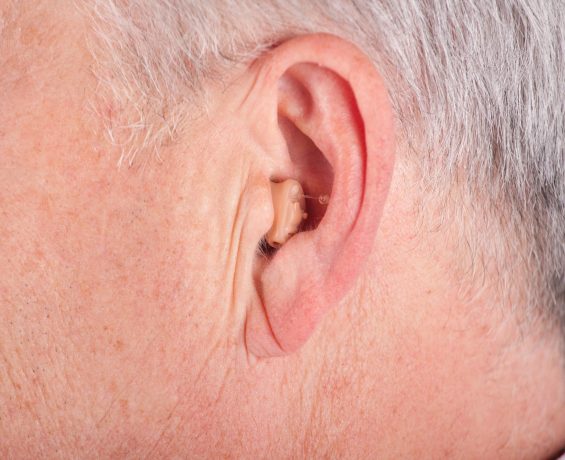
Half shell hearing aids occupy a unique space in the world of hearing devices. They are custom-fitted instruments that sit in the “bowl” of your ear but only occupy the lower half, allowing for a discreet profile. This design is particularly useful for individuals who want a blend of subtlety and functionality. By covering less of the outer ear than a full shell hearing aid, half shell hearing aids can offer both aesthetic and practical benefits for people dealing with mild to moderate hearing loss. In this comprehensive guide, we will delve into what half shell hearing aids are, who might benefit from them, how they differ from other in-the-ear (ITE) styles, and the various features that make them a popular option.
Like all in-the-ear devices, half shell hearing aids are custom molded to fit your ear’s curvature. The primary distinction is that these aids take up only the lower portion of your ear’s concha shell. Despite their compact size, modern half shell hearing aids can still incorporate a range of sophisticated features. Many models are equipped with directional microphones, which help you hear more clearly in environments with background noise, and wireless connectivity that can sync with your smartphone or television.
Choosing a half shell device often comes down to striking a balance between appearance and functionality. Some individuals find half shell hearing aids appealing because they are less noticeable than full shell styles, yet they can still host essential control elements. Their mid-range size provides enough room for extra features that might not fit into smaller designs, such as some types of manual volume controls or telecoils. This way, you do not have to sacrifice useful functions for the sake of discreetness.
Half shell hearing aids are commonly recommended for people with mild to moderate hearing loss. Because they have a slightly larger surface area than completely-in-canal (CIC) or invisible-in-canal (IIC) devices, they are often simpler to handle and adjust. Individuals who struggle with dexterity may appreciate this aspect. For instance, those who prefer to have manual volume controls on the device itself, but still want a smaller, more discreet style, may find half shell hearing aids to be just the right format.
Beyond the practical elements, these devices appeal to wearers who value a cleaner, less visible look. The partial coverage of the ear’s concha shell can create a subtler appearance when compared to full shell models that fill a larger section of the outer ear. The result is a design that is neither too large nor too small—one that offers both user-friendly controls and a discreet profile. This makes half shell hearing aids a good fit for individuals who feel self-conscious about wearing larger devices but still want the flexibility of multiple features.
One concern potential users have is visibility. Although half shell models are discreet, they are bigger than some of the smallest ITE options. If total invisibility is your top priority, you might consider CIC or IIC devices. Another factor is ear canal shape. Because these hearing aids rely on a custom fit, people with very narrow or oddly shaped ear canals might find that a different style of hearing aid is more comfortable or performs better in terms of sound quality.
Additionally, environmental factors such as earwax build-up or moisture in the ear can sometimes affect performance. Regular cleaning and routine maintenance go a long way toward keeping your half shell devices in excellent working condition. While these challenges are not unique to half shell hearing aids, being aware of them helps you stay proactive about your hearing health.
Proper upkeep of your half shell hearing aids will help ensure their longevity and reliable performance. Here are some best practices to follow:
By integrating these care tips into your daily routine, you can maximize comfort and reliability. Good hygiene and routine maintenance not only preserve your device but also support better hearing health over the long term.
People often weigh the pros and cons of half shell vs. full shell hearing aids. Both are ITE designs, but their size and coverage differ. Full shell hearing aids fill the majority of the concha bowl, often allowing for more room to include high-capacity batteries and additional features. On the flip side, half shell hearing aids use only the lower half of the ear bowl, resulting in a more discreet look and a somewhat smaller profile. If you have more severe hearing loss, a full shell device might be recommended because it can accommodate stronger amplification hardware. However, if you only need mild to moderate amplification and want a compact shell, a half shell device can be an excellent choice.
In the world of in-the-ear hearing aids, there is a spectrum of possibilities. Completely-in-canal (CIC) and invisible-in-canal (IIC) devices are the smallest, making them nearly undetectable. However, their diminutive size leaves little room for on-board controls, larger batteries, or premium features like directional microphones. Half shell aids stand comfortably in the middle, giving wearers some of the advantages of bigger devices—such as adjustable controls and better battery capacity—while maintaining the modest appearance more akin to the smaller options.
For users who prefer easy adjustments but do not want a full-ear coverage, half shell devices represent a sweet spot. Many people find them more user-friendly compared to CIC models, especially those with dexterity challenges. They also offer a subtle style that might feel more natural than the bulkier appearance of full shell hearing aids.
Many individuals with mild to moderate hearing loss can live comfortably with a half shell device. It supplies enough power to amplify everyday conversations, phone calls, and the sounds of the world around you without overwhelming your ear. In some cases, people with more advanced hearing loss may still opt for a half shell design if their ear structure and hearing needs allow. However, it is crucial to undergo a comprehensive hearing test to determine whether a half shell solution will deliver adequate amplification for your needs.
The good news is that many clinics provide evaluations that map out your hearing thresholds across various pitches, offering a clearer picture of what style and power level might suit you best. If you are unsure, you can also speak with a registered hearing aid practitioner, who can walk you through your options.
Before choosing any style of hearing aid, scheduling a thorough assessment is essential. A hearing test can reveal your level of hearing loss and help professionals suggest the best solutions. Whether you are exploring half shell hearing aids or other types, a test allows you to make an informed choice. During this evaluation, you will typically undergo pure-tone audiometry to identify the faintest sounds you can hear across different frequencies. You may also have a speech test where you repeat words at various volumes. These combined results map out your unique hearing profile. With those facts in hand, a hearing care professional can determine if half shell hearing aids are an ideal match for you.
If half shell hearing aids sound like a good match for your lifestyle, here are the key steps you can take:
Taking these steps can help you get the most from your investment in half shell hearing aids, leading to consistent improvements in clarity and comfort during conversations and daily activities.
Aside from a test and a fitting, you can also look into broader assistance, such as educational workshops or online tutorials on caring for your hearing aids. Some users find it helpful to join local communities or support groups where people share experiences and advice. If you are wondering about different hearing solutions or want a deeper dive into the available technology, you can also explore a clinic’s broader offerings, such as various hearing aids that suit different lifestyles. Hearing professionals may recommend additional tools like assistive listening devices or streaming accessories that sync with your half shell hearing aids for more convenient listening in different settings.
If you are noticing difficulty hearing loved ones in conversation, straining to catch dialogue on television, or finding it challenging to follow group discussions, it might be a sign to seek help. Whether that means scheduling a formal hearing test or consulting a hearing care professional, it is never too early to address your hearing concerns. Individuals are sometimes tempted to wait until hearing issues become more severe, but taking action sooner rather than later can help you maintain an active, engaged lifestyle. Early detection and proactive care are key pillars of better hearing health. Staying connected with friends and family is much easier when you have the right technology on your side.
The updated technology and more refined designs of half shell hearing aids have made them a prime choice for those who want a sleek, discreet solution that still delivers solid performance. If you crave user-friendly controls, reliable amplification, and a style that does not dominate your outer ear, half shell devices may be precisely what you are looking for. They are particularly fitting if your hearing challenges are in the mild to moderate range, offering a comfortable fit and quality sound in a package that many find visually appealing.
Of course, the final decision should always come from a professional assessment and a thorough discussion of your lifestyle needs. The path to better hearing is a personal journey—one that starts with understanding the solutions available and seeking guidance from a trusted provider.
When it comes to seeking assistance for hearing loss, knowledge is power. If you think half shell hearing aids might help you stay more connected to the sounds of your everyday life, consider scheduling an appointment for a hearing test. This straightforward step can give you a clearer sense of your options so that you can select the device that best suits your individual needs. You can also ask about financing plans, trial periods, or ongoing care packages that ensure your long-term satisfaction.
Ultimately, half shell hearing aids offer an appealing balance between visibility, comfort, and functionality. By pairing a modest footprint with the flexibility to include features like directional microphones, volume controls, and wireless connectivity, these hearing aids can give you the everyday ease and clarity you need. Whether you are chatting with friends in a noisy restaurant or enjoying a quiet evening at home, half shell devices can enhance your quality of life without drawing unnecessary attention. With proper care, guidance from a hearing professional, and a good maintenance routine, your half shell hearing aids can be a valuable companion on your journey to better hearing.

The most common hearing aid style in the current market is the receiver-in-canal (RIC) or receiver-in-the-ear (RITE) model. This style combines a small behind-the-ear (BTE) component that houses most of the technology, with a receiver placed directly inside the ear canal, connected by a thin wire.
The popularity of RIC/RITE hearing aids comes from their discreet appearance, comfort, and ease of adjustment or upgrade. They also offer better sound quality and are suitable for a wide range of hearing losses, from mild to severe.
Other common styles include:
RIC/RITE models remain the go-to choice for their balance of aesthetics, comfort, and functionality.
Hearing Services