
Frequently Asked Questions
Choosing an invisible hearing aid can be an empowering step toward better hearing, particularly for those seeking a discreet style that sits deep within the ear canal. By focusing on comfort, technology, and your specific level of hearing loss, these small devices can feel nearly unnoticeable while still delivering clear sound. In this guide, we will explore the major factors to think about when deciding on an invisible hearing aid, from powered features and degree of hearing loss to maintenance and long-term support. Our aim is to provide you with the insights you need to make a well-informed choice for your hearing health.
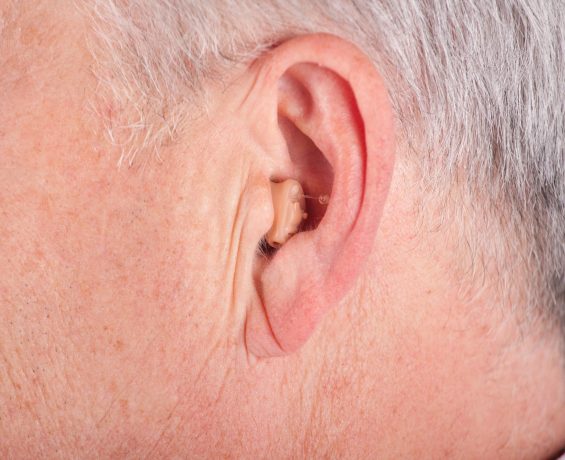
In the world of hearing aids, “invisible” typically refers to styles that rest deep in the ear canal, such as Invisible-in-Canal (IIC) or Completely-in-Canal (CIC) devices. Because they sit further into the ear than other styles, they are difficult to spot when someone glances at you. Although smaller in size, many invisible hearing aids can still offer valuable features like noise suppression and feedback cancellation. However, it is important to understand that miniaturizing components comes with certain constraints—battery life may be shorter, and available features can be limited compared to larger devices.
For many individuals, the appeal lies in the discreetness of these hearing aids. Most people do not want to advertise their hearing loss and prefer a device that blends into their daily routines without drawing attention. Still, it is worthwhile to evaluate whether smaller size and near-invisibility appropriately meet your specific hearing requirements.
An essential consideration before choosing any hearing aid is your level of hearing loss. Generally, invisible hearing aids are best suited for people with mild to moderate hearing loss. By design, they are less powerful than Behind-the-Ear (BTE) or Receiver-in-Canal (RIC) models. If you experience significant or profound hearing difficulties, an invisible style may not offer the depth of amplification you need to fully support your hearing.
It is crucial to start by scheduling a thorough hearing test, as this will reveal the specific frequencies where you might have difficulty hearing. An experienced registered hearing aid practitioner can use your audiogram to let you know whether an invisible hearing aid can adequately address your concerns or if a different style would be more appropriate. If you have not yet tested your hearing, consider booking a hearing test to get a personalized assessment of your hearing profile.
Invisible hearing aids rest deeper in the ear canal, so ensuring they fit well is crucial. A poorly fitted device may irritate your ear canal and lead to issues like soreness or a “plugged-up” feeling, known as occlusion. To avoid this, a registered hearing aid practitioner will take precise ear impressions, which guide the customization of the device’s shape. This process helps ensure you can wear your hearing aids comfortably throughout the day.
Another part of comfort is how natural your voice and surroundings sound while wearing the aids. Because IIC and CIC devices are placed closer to your eardrum, you may hear your own voice more distinctly or experience echo. Many advanced models now include venting features to help minimize occlusion, but you should still communicate with your practitioner if you notice any persistent discomfort or odd sensations in your ear.
When considering invisible hearing aids, you may be pleasantly surprised at how many features they can offer. While the smaller size limits the space for advanced hardware, many invisible devices still include:
If you enjoy streaming music or taking phone calls through your hearing aids, confirm whether the invisible model you are considering supports these features. In some cases, you may need a more robust style to meet high-tech connectivity needs. A helpful approach is to compare different hearing aids and their capabilities with guidance from your registered hearing aid practitioner, so you can align technology with your lifestyle.
Because these tiny devices fit so snugly in your ear, earwax, moisture, and natural oils have a direct path to their internal components. Regular cleaning is crucial to maintain sound quality and longevity. Many invisible models come with a small cleaning kit to remove any debris or wax. Follow the guidelines provided by your practitioner to avoid damaging the microphone or receiver. Daily upkeep takes only a few minutes but can significantly extend your hearing aids’ performance.
Battery life is another aspect that requires care. Smaller batteries tend to run out faster. Some devices even use disposable technology where the entire unit is replaced after a set period, rather than changing small batteries. Evaluating your preference—manually swapping batteries or replacing the device every few days/weeks—can help you choose a model that fits your routine.
Invisible hearing aids often cost more due to their miniaturized components and specialized construction. The exact price will depend on the manufacturer, the technology level, and any extra features. Keep ongoing costs in mind as well, such as battery replacements (or single-use devices) and routine check-ups. Some clinics, including Melody Hearing Clinic, may offer payment plans or layaway options to make hearing aids more accessible. If you have insurance coverage or eligible benefits, investigate whether they can offset expenses. Ultimately, weighing the aesthetic and convenience benefits against the product’s total cost will help you decide if an invisible hearing aid aligns with your budget.
Despite the benefits, invisible hearing aids are not right for everyone. Certain ear canal shapes may prove challenging for a deep-fit device to sit comfortably. Additionally, those with severe hearing loss may not get enough amplification from the invisible format. People with dexterity issues might also find inserting and removing an aid that sits deep in the ear tricky. If these concerns resonate with you, a different style could provide a better blend of convenience and performance. A conversation with a registered hearing aid practitioner is the most direct way to learn whether these devices are the best match for your hearing needs.
Working with a registered hearing aid practitioner can be the difference between a smooth adjustment period and ongoing frustration. These professionals have specialized training in evaluating your hearing, taking precise ear measurements, and programming your aids to match your real-world listening environments. If something feels “off,” you have someone to turn to for adjustments or care tips. Moreover, hearing needs can change over time, so you want a knowledgeable ally who will fine-tune your devices, keep them clean, and monitor your hearing for any shifts.
At Melody Hearing Clinic, for instance, you can expect personalized guidance from professionals who place patient comfort and outcomes at the forefront. Whether you visit our Downtown Edmonton clinic or one of our other convenient locations in areas like Mill Woods, South Edmonton, Sherwood Park, St. Albert, or even Calgary, you will find a supportive team ready to help you.
Your journey does not stop at picking an invisible hearing aid. It is equally vital to find a hearing clinic that aligns with your goals and values. A reputable clinic typically offers:
Clicking with a clinic that offers all these services makes the process of adjusting to your new nearly invisible hearing aids much easier. You want to partner with people who understand both the technical and emotional aspects of hearing health.
Appearance is a powerful motivator when it comes to invisible hearing aids. Many wearers wish to avoid visible devices because of stigma or concerns about how a hearing aid might look. Yet, performance always needs to remain a top priority. If you regularly spend time in areas with background noise, you may need more advanced noise-canceling technologies—sometimes found in bigger devices that have room for additional microphones.
The key is a balanced approach: picking an aid that is discreet enough for your comfort while ensuring you can still enjoy conversations and everyday sounds. A hearing aid that is invisible but fails to meet your auditory needs will ultimately frustrate you. Talk openly with your hearing care provider about your typical environment and listening demands so you can find the right balance of size and capabilities.
Once you have settled on an invisible hearing aid, there are a few simple practices you can adopt to enhance your experience:
Hearing health is not a one-and-done scenario. Even after you find your ideal invisible hearing aid, your hearing can change, or new features may become available. Regular visits to your hearing clinic allow practitioners to monitor your hearing levels and keep your devices updated. Some individuals choose to upgrade technology after a few years, while others simply need minimal maintenance to maintain clarity.
At Melody Hearing Clinic, we believe in building long-term relationships with our patients. From straightforward hearing checks to advanced device fittings, our commitment is to guide you every step of the way. We offer a variety of services such as ongoing tune-ups, repairs, and lifestyle consultations to ensure your hearing aids continue to serve you well.
Despite their small size, invisible hearing aids can offer a powerful way to stay connected with the people and environments that matter most to you. Whether you are enjoying a group conversation, chatting in a noisy restaurant, or simply watching TV at home, these discreet devices can make all the difference. By recognizing the right fit, power, and features, and by partnering with a clinic that supports your success, you can find an invisible hearing aid that not only looks good but also truly enhances your daily life.
If you think an invisible hearing aid could fit your lifestyle, consider starting your journey by booking a comprehensive hearing test. Taking this proactive step can help confirm whether invisible technology is the right approach or if another style better aligns with your hearing profile and long-term needs. Above all, remember that a caring team of registered hearing aid practitioners is there to assist you in choosing a solution that balances appearance, comfort, and performance—so you can enjoy the sounds that make life more meaningful.

Hearing Services