
Frequently Asked Questions
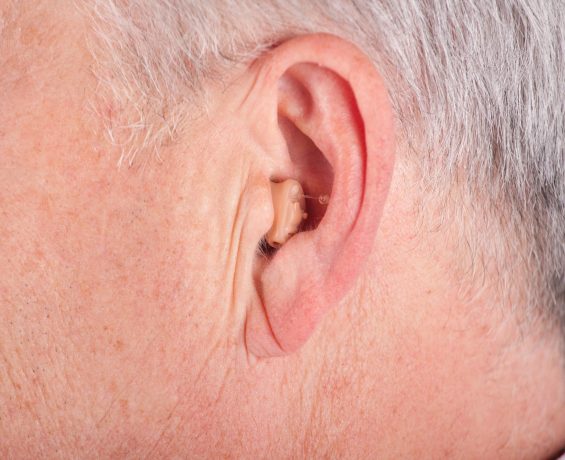
Invisible hearing aids can be an appealing option for people who want a discreet way to address hearing loss. These very small devices sit deep in the ear canal, where they are difficult for others to notice. However, smaller is not automatically better for every type of hearing loss, ear shape, lifestyle, or level of dexterity. Understanding the limitations of invisible hearing aids can help you choose a device that supports clearer communication comfortably and reliably.
The right choice begins with a professional hearing test and a conversation about the situations where hearing is most difficult. A registered hearing aid practitioner can help compare discreet styles with other options based on your hearing needs, communication goals, and preferences.
Because invisible hearing aids are so small, there is limited space for the components that deliver sound. For this reason, they may not provide enough amplification for some people with more significant hearing loss. They can be a good option for certain mild to moderately severe hearing losses, but suitability depends on the results of an individual hearing assessment.
Hearing loss is not only about volume. Some people need more help understanding speech in background noise, hearing higher-pitched sounds, or managing differences between their two ears. A larger hearing aid may offer more processing power, more flexibility for programming, or features that better support these needs. Choosing a style solely because it is nearly invisible may mean giving up benefits that would make everyday conversations easier.
Invisible styles must fit securely and comfortably in the ear canal. Ear canals vary widely in width, length, shape, and curvature. A canal that is very narrow, sharply curved, sensitive, or prone to irritation may not accommodate a deep-fitting device comfortably. Changes in the ear canal over time can also affect the fit.
Wax production is another practical consideration. Because these devices sit in the canal, earwax can block the microphone or sound outlet more easily than it can with some larger styles. This does not mean people who produce wax cannot wear them, but they may need more frequent cleaning, wax-filter changes, and professional hearing aid maintenance. Trying to remove wax deeply from the ear at home can push it farther in or irritate the canal, so it is best to ask for guidance when wax becomes an ongoing issue.
One trade-off of an invisible hearing aid is that there is little room for buttons, rechargeable batteries, microphones, and wireless components. Depending on the specific model, limitations may include:
Features vary by device, so it is important not to assume that every invisible hearing aid has, or lacks, a particular capability. If hands-free phone calls, music streaming, easy app adjustments, or frequent listening-program changes matter to you, discuss those priorities before selecting a style. Many modern hearing aids are discreet without sitting as deeply in the canal, and they may offer more options for connectivity and control.
Very small hearing aids require careful handling. Inserting, removing, cleaning, and changing a tiny battery can be difficult for people with arthritis, reduced finger sensation, tremor, limited vision, or other dexterity concerns. A device that is difficult to manage may be worn less consistently, even if its sound quality is otherwise appropriate.
Deep-canal devices are also exposed to moisture, heat, and earwax. Regular care helps protect performance, but the cleaning tools and small openings can take practice to use. If you prefer a rechargeable hearing aid or want fewer small parts to handle, a slightly larger style may be more practical. During a hearing aid fitting, ask to practise inserting and removing the device yourself rather than relying only on how it looks in the mirror.
An invisible hearing aid is custom fit, but a custom fit does not always feel instantly natural. Some people notice a temporary sense of fullness, pressure, or awareness of the device in their ear. Others may find their own voice sounds different at first. This can happen with several hearing aid styles, especially while the brain adjusts to hearing sounds it has not heard clearly for some time.
A deep-fitting device can be comfortable for many people, but it may not suit someone who is sensitive to anything in the ear canal, has recurring ear discomfort, or frequently needs to use earplugs, earbuds, or certain communication headsets. Tell your practitioner about discomfort, whistling, muffled sound, or trouble inserting the device. Hearing aid adjustments can often improve sound and fit, while persistent concerns may point to a different style being a better match.
Restaurants, family gatherings, meetings, and other noisy spaces are challenging for nearly everyone with hearing loss. Invisible hearing aids can improve audibility, but no hearing aid can completely remove background noise or make every conversation effortless. The small physical size of these devices may also limit the microphone options available for separating speech from noise.
Your listening environment matters. Someone who mainly wants support for one-to-one conversations at home may have different needs from a person who regularly attends group events, works in busy settings, or spends a great deal of time on the phone. Be specific about the situations that matter most. This allows the hearing aid settings and style recommendation to reflect your real communication needs rather than a general idea of what a hearing aid should do.
These devices are designed to be highly discreet, but they are not necessarily invisible from every angle or to every person. Visibility depends on the depth of fit, the shape of the ear canal, lighting, and how closely someone is looking. The word invisible can also create unrealistic expectations about what a hearing aid can do. A small device can support hearing, but it does not restore natural hearing or eliminate the need for adjustment, follow-up care, and realistic listening strategies.
Discretion is a valid preference, but comfort, sound quality, ease of use, and support for your daily life are equally important. The most helpful hearing aid is usually the one you can wear comfortably and consistently.
A hearing assessment provides the information needed to make an informed decision. It can identify the type and degree of hearing loss and create a starting point for discussing appropriate technology. Your practitioner should also ask about your work, hobbies, phone use, social settings, hand dexterity, earwax history, and feature preferences.
If you are concerned about changes in hearing, difficulty understanding speech, or tinnitus, scheduling a hearing assessment is a practical next step. Personalized recommendations can help you weigh the benefits and limitations of invisible hearing aids and find an option that helps you stay connected to the people and activities that matter to you.
Hearing Services