Frequently Asked Questions
Auditory nerve damage can lead to various degrees of hearing difficulties that affect how well a person can perceive and process sound. This issue can leave individuals feeling disconnected from the world around them. While a complete reversal of auditory nerve damage is not always possible, many people find meaningful improvement through a combination of hearing protection, targeted therapies, and consistent support. In this comprehensive guide, we will explore what auditory nerve damage entails, how hearing protection devices play a vital role in preserving remaining hearing function, and why auditory rehabilitation is a powerful step toward regaining a sense of connection and clarity. Throughout this explanation, we will cover helpful strategies, consider when to seek professional support, and discuss how you can take proactive steps to improve or preserve your hearing health.
The auditory nerve, also known as the cochlear nerve, is a crucial component of our hearing system. It carries sound signals from the inner ear to the brain, enabling us to interpret what we hear. When this nerve is damaged—due to factors such as prolonged exposure to loud noise, certain medical conditions, or trauma—the pathway that transmits sound to the brain is disrupted. Individuals may notice a gradual decline in understanding speech, difficulties in noisy environments, or the need to turn up the volume more often. While people sometimes assume hearing loss is exclusively tied to the outer or middle ear, many cases involve deeper connections within the inner ear and the auditory nerve. In these scenarios, standard approaches to improving hearing can still offer remarkable benefits, even if they cannot repair the nerve itself.
Nerve-related hearing issues can develop for a variety of reasons, and understanding the source is a vital step in crafting an effective strategy for improvement. Common causes include:
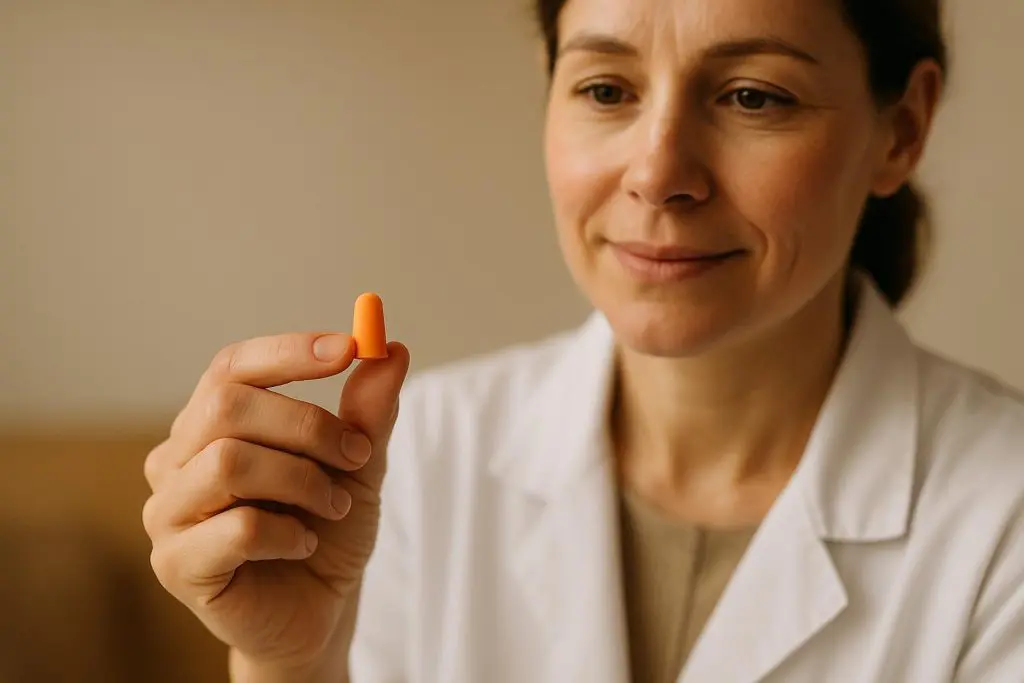
Hearing protection, whether in the form of specialized earplugs, earmuffs, or more advanced protective devices, aims to reduce the levels of harmful noise exposure impacting your ears. When used consistently, these tools provide several benefits, including:
While hearing protection is not designed to rebuild or restore nerve function directly, it serves as a crucial line of defense. Over time, strategic noise reduction can help enhance your overall hearing journey by preventing additional stress on an already vulnerable connection between ear and brain.
Once the auditory nerve is compromised, it can be daunting to think about improving hearing function. However, auditory rehabilitation offers targeted strategies and therapies that aim to maximize existing hearing capacity. This process can include:
For many individuals living with auditory nerve damage, hearing aids can be a transformative tool. Modern hearing aids feature advanced digital signal processing, sophisticated noise-reduction capabilities, and customizable settings tailored to the specific hearing profile of each user. Even though hearing aids do not permanently correct nerve damage, they can significantly boost clarity by amplifying important sounds—such as speech—above background noise.
Hearing aids are especially important for maintaining social connections. When hearing becomes easier, people often regain the confidence to chat with family and friends, participate in group activities, and enjoy hobbies. The less strain placed on the auditory nerve, the more likely people can preserve the hearing they still have, avoid feelings of isolation, and remain engaged in daily life.
Before you and a hearing care professional can develop an effective treatment plan, it is essential to understand the extent of your hearing loss. Comprehensive hearing tests help identify what degree and type of hearing issue you are facing. These tests may include pure-tone audiometry, speech recognition tests, and other evaluations designed to assess how well the auditory nerve is functioning. By scheduling a hearing test, you start your journey with clarity. You gain critical insights into the shape and specifics of your hearing loss, which determines the most beneficial combination of hearing protection, hearing aids, and/or rehabilitation therapies.
Many people living with auditory nerve damage want to know if their hearing abilities can ever be fully restored. In most cases, complete regeneration of the auditory nerve does not happen, as nerve cells do not easily repair themselves like other tissues might. However, even if the nerve remains partially damaged, you can make significant strides in your overall hearing experience. By combining hearing protection to avoid further deterioration with targeted rehabilitation, individuals often discover new ways to adapt to, and even thrive with, their revised hearing capacity.
The degree of improvement varies from person to person. Factors such as age, general health, the severity of damage, and consistency in using hearing devices and training programs all play a role in outcomes. While the end goal may not be perfect hearing, better understanding conversations, focusing on important environmental sounds, and feeling less fatigued from listening are well within reach.
Adopting healthy habits can make a substantial difference in how effectively you regain or maintain your hearing. Consider the following guidelines:
Some level of hearing loss can be easy to dismiss or disguise, but if you are finding it increasingly difficult to follow conversations or must frequently turn up the television volume, it may be time to seek professional help. Registered hearing aid practitioners collaborate closely with ENT doctors, especially when ear-related surgery or medical intervention might be beneficial. At many specialized clinics, professionals also provide deeper assessments and design rehabilitation plans that tackle more than just the immediate hearing loss—often addressing the emotional and communicative aspects as well.
In many cases, combining hearing protection with ongoing support and educational resources is the best long-term option for anyone dealing with auditory nerve damage. Clinics dedicated to hearing health, like Melody Hearing Clinic, often adopt a holistic approach that caters to each person’s unique needs. For example, they might use advanced diagnostic tools to figure out precisely how well your auditory nerve is functioning, recommend hearing aids to boost speech clarity, and provide a structured rehabilitation plan to bolster communication skills. As hearing is about more than just the ear—it’s also about the mind—counseling and group support sessions can enhance coping techniques and reduce feelings of isolation.
Depending on your location, you may find convenient options for care across multiple clinics. For instance, you can choose from Downtown Edmonton, Mill Woods, Sherwood Park, St. Albert, South Edmonton, Leduc, Calgary, or the soon-to-open Windermere location. Having a nearby resource fosters regular checkups, adjustments, and ongoing support.
Beyond formal treatments or device use, you can make daily life more manageable with a few simple adjustments:
The earlier you address changes in your hearing, the better your long-term outcomes tend to be. Even mild hearing loss can place extra strain on the auditory nerve, which in turn can accelerate the decline in your ability to process sounds. By starting with a baseline hearing test and implementing protective strategies, you can more effectively slow the progression of nerve-related hearing loss. When hearing aids or assistive devices are integrated early in the process, your brain has more time to adapt and relearn how to interpret sound, making the overall rehabilitation journey smoother.
Auditory rehabilitation is an ongoing process that can significantly transform your relationship with sound. It blends technological help, like hearing aids and other listening devices, with skill-building exercises that push your brain to make the most of the auditory cues it receives. This structured approach can be broken down into three key components:
Even if the outlook on complete nerve recovery remains uncertain, the merit of this systematic approach is clear: improved comprehension, reduced listening fatigue, and a smoother time connecting with family, friends, and colleagues.
Although auditory nerve damage can pose long-term challenges, it does not have to overshadow your life. With the right blend of hearing protection, early detection through regular hearing tests, and a robust rehabilitation program, you can experience better clarity, remain part of conversations, and preserve the hearing you still have. While full restoration of auditory nerve function may not be achievable, the improvements in communication, daily comfort, and overall quality of life can be profound.
Ultimately, the key is to stay proactive. If you are noticing signs of hearing issues—whether subtle shifts or significant changes—consider scheduling a thorough hearing test to form a solid baseline. From there, discuss with a registered hearing care professional how hearing protection, properly tuned hearing aids, and focused rehabilitation exercises might benefit you. By taking consistent, mindful steps to protect and train your hearing system, you can build a healthier relationship with sound—one that helps you stay engaged, connected, and confident in everyday interactions.