
Ear nerve damage can have a profound impact on your daily life, affecting everything from casual conversation to your ability to enjoy music or detect important sounds in your environment. This condition, often classified as sensorineural hearing loss, involves harm to the inner ear’s delicate structures (hair cells) or the auditory nerve itself. Unlike conductive hearing loss, which typically affects how sound travels through the outer and middle ear, nerve-related hearing difficulties stem from deeper within the auditory system. Although it may not always be possible to fully repair these inner pathways, a blend of protective measures, medical intervention, and assistive devices can make a significant difference in helping you stay connected and enjoy a clearer sound experience. This article explores various aspects of ear nerve damage and offers insight into how to manage it effectively.
To make sense of nerve damage in the ear, it helps to know how your hearing system works. Sound waves enter the outer ear and pass through the ear canal, striking the eardrum. Vibrations travel along the three tiny bones in the middle ear, leading to the inner ear, known as the cochlea. Within the cochlea are thousands of hair cells that convert these vibrations into electrical signals. Next, the auditory nerve carries these signals to the brain, which translates them into the sounds you recognize.
When these hair cells or nerve fibers in the cochlea sustain damage—whether from aging, noise exposure, illness, or other factors—their ability to transmit clear signals to the brain diminishes. This can lead to muffled sound, difficulty following conversations in noisy rooms, or even complete loss of certain sound frequencies. While such damage may sometimes be permanent, the right interventions offer substantial improvements in hearing ability and overall well-being.
Damage to the auditory nerve or inner ear hair cells can result from a variety of causes. Understanding these potential sources empowers you to take proactive steps for prevention and early intervention. Some of the most prevalent causes include:
It is worth noting that pinpointing a single cause is not always straightforward because multiple factors often overlap, accelerating or worsening hearing challenges. Regardless of the trigger, you can take steps to minimize further damage and explore treatments to improve your current hearing status.
Subtle shifts in hearing may begin long before you realize you are missing certain words or straining to understand a friend’s conversation. Many people initially notice they have to turn up the volume on their television or ask others to repeat themselves. You may also have trouble following phone calls or find that social events feel overwhelming because voices blend into background noise.
If you or a loved one notices these changes, consider scheduling a comprehensive hearing test. Early intervention—including protective measures or hearing aids—often proves more effective than late-stage assistance. By addressing any underlying issues early, you can better preserve your remaining hearing ability and adapt to strategies or devices that help you understand the world around you.
Before you can identify the best solution, it’s crucial to determine the root cause and extent of hearing loss. A thorough evaluation helps clarify whether the issue lies primarily in the inner ear, the auditory nerve, or other parts of the hearing pathway. In many cases, obtaining a Hearing Test is one of the most straightforward ways to uncover the nature of your hearing challenge. At these evaluations, registered hearing aid practitioners use specialized tools and testing techniques—from basic tone recognition assessments to more detailed speech and word recognition exams—to measure your unique hearing profile.
By understanding whether you have mild, moderate, severe, or profound difficulty and determining which frequencies are most affected, a practitioner can tailor a solution to meet your specific needs. Such knowledge also informs potential referrals to medical professionals if additional treatment, such as medication or other interventions, proves necessary.
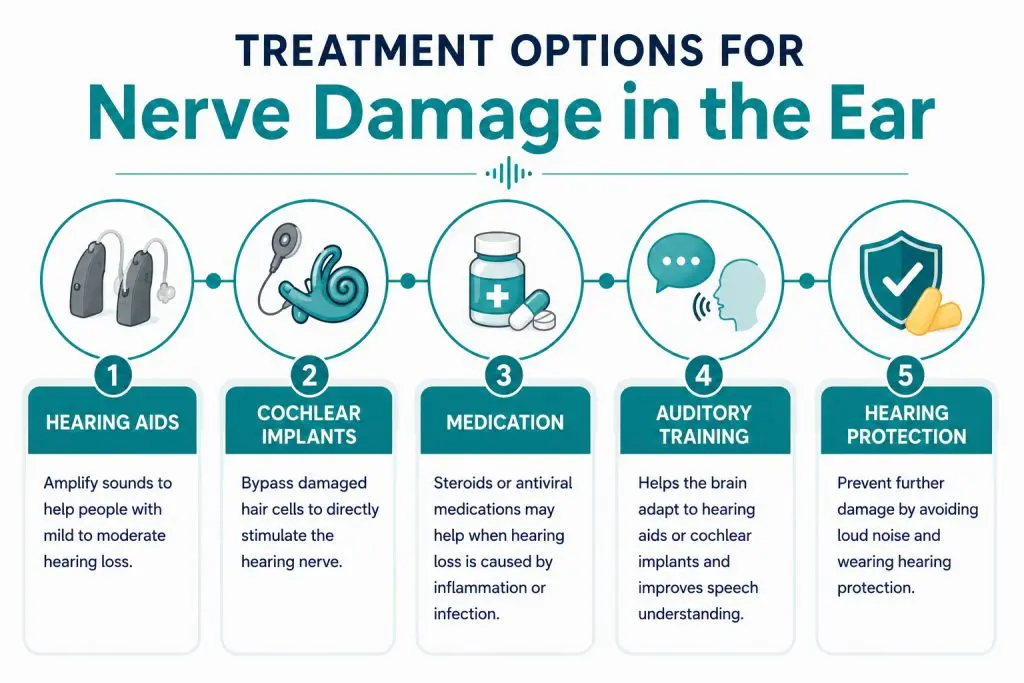
While complete recovery of damaged hair cells or auditory nerve fibers remains rare, treatment can significantly relieve symptoms and enhance day-to-day hearing. The most common treatment pathways include:
For mild to moderate sensorineural hearing challenges, hearing aids are often the front line of care. These devices amplify sound, making it easier for your inner ear and brain to interpret speech and other important noises. Today’s hearing aids are more discreet, comfortable, and advanced than ever, automatically adjusting to different listening environments. If you are curious about how they might help, explore the various styles and benefits at Hearing Aids. With proper fitting and ongoing support, many individuals enjoy an immediate sense of relief, improved awareness, and reduced listening effort.
Those with severe or profound nerve damage who see limited benefits from hearing aids might consider cochlear implants. Unlike hearing aids, which rely on residual hair cell function, cochlear implants bypass these cells altogether. They directly stimulate the auditory nerve, effectively substituting for some of the cochlea’s function. This approach can provide improved clarity for people who otherwise struggle to hear even with high-powered hearing aids. Although it is a more invasive solution requiring surgery, it has helped many people regain a more meaningful connection to the world of sound.
In cases where inflammation or infection underlies sudden hearing changes, certain medications could be beneficial. Steroids, for example, may help reduce swelling in the cochlea and occasionally restore some hearing capacity. Antiviral treatments might be considered if a viral infection is determined to be the culprit. However, these medications generally show the best results when administered soon after the onset of symptoms. Prolonged nerve damage or issues caused by aging and chronic noise exposure typically will not improve solely with medication.
Prevention is paramount, especially if you are already experiencing signs of nerve damage. Using custom earplugs in loud environments—like concerts, construction sites, or when operating power tools—can reduce additional harm. Turning down the volume of personal audio devices and opting for quieter surroundings when possible also helps safeguard the hair cells that remain healthy. Cultivating habits that protect your ears allows you to maintain whatever hearing capacity you have left.
Many people benefit from formal or informal auditory training programs that help stimulate the hearing pathways and improve speech understanding, even when some cells are damaged. Audiologists or registered hearing aid practitioners may direct you to therapies that involve exercises in listening to speech in noise, identifying different types of sounds, and practicing verbal communication strategies. Over time, these methods can sharpen your ability to distinguish words and enhance your confidence in social situations. When coupled with appropriate devices (like hearing aids or cochlear implants), auditory training can make a substantial difference in day-to-day communication.
While technology and treatments play an important role in addressing nerve damage, lifestyle changes also matter. A balanced diet, regular exercise, and avoiding smoking all contribute to better blood flow throughout the body, including the inner ear. Proper circulation helps nourish the delicate cells in the cochlea, promoting improved ear function. Additionally, managing conditions like diabetes or high blood pressure is essential, as these health issues can affect small blood vessels in the ear.
Being mindful of your listening habits is another key step. If you use headphones, try to keep the volume at moderate levels and take listening breaks. Over time, consistent noise at high decibels can accelerate inner ear damage. Maintaining overall body health can indirectly support your auditory system and boost any hearing rehabilitation efforts you undertake.
Nerve damage in your ear rarely follows a set path; your hearing can evolve over months or years, sometimes in small increments that are easy to miss. This constant change underscores the importance of scheduling regular check-ups. Ongoing appointments ensure that your hearing aids remain finely tuned and that any progressive changes are quickly identified and addressed. For older adults, free hearing tests may be available at some clinics, making it easier to keep up with regular screenings.
Beyond appointments, ongoing support refers to staying informed about new technologies and techniques that may further improve your quality of life. For instance, people who pair their hearing aids with assistive listening devices, such as Bluetooth streamers or TV amplifiers, often find it simpler to stay connected. Continued research in hearing healthcare frequently brings enhancements that make devices smaller, smarter, and easier to use.
Whether you are experiencing early-stage symptoms or have a more advanced level of hearing loss, professional guidance can help you make informed decisions about your care. If you have questions about symptoms or suspect you may have sensorineural hearing challenges, a registered hearing aid practitioner is well-placed to assess your unique situation. In some circumstances, the practitioner may recommend that you see an Ear, Nose, and Throat specialist (ENT) to investigate medical factors contributing to your hearing loss. Collaborating with the right professionals paves the way for a more positive hearing journey.
For those in the Edmonton area, or within reach of surrounding communities, a local hearing clinic can be an invaluable resource. Having expert care close to home minimizes the barriers to ongoing appointments, device adjustments, and overall peace of mind.
Even if nerve damage cannot be entirely reversed, you have options to improve clarity, confidence, and quality of life. From hearing aids and cochlear implants to custom ear protection and ongoing hearing tests, these strategies support you in staying connected to loved ones, engaging in social activities, and feeling more confident in everyday life. Whenever possible, aim to catch and address hearing challenges early. Treatments and protective steps tend to be more effective when introduced before extensive damage occurs.
For anyone looking to explore a hearing test, consider contacting a local registered hearing aid practitioner. By taking a proactive approach that includes regular check-ups and using protective measures for your ears, you can preserve as much hearing as possible. Even small lifestyle shifts—like lowering your headphone volume or wearing earplugs at loud events—can have a positive impact, especially over the long term.
Managing nerve damage in the ear is about more than just coping with symptoms. It’s an opportunity to reconnect with the sounds that matter most to you. While many people experience challenges with hearing at some point in life, surveys show that those who seek supportive, patient-focused care often report higher satisfaction and an enhanced sense of well-being. Through accessible, convenient, and custom-tailored solutions, it is possible for you to regain clarity, improve communication, and continue enjoying life’s everyday moments.
Most importantly, remember that each person’s relationship with hearing is unique. Your path to better hearing may involve careful assessment, consistent check-ups, and a personalized approach that accounts for your specific lifestyle and goals. Though complete restoration of nerve function might remain out of reach, you can still enjoy a richer auditory experience through hearing aids, cochlear implants, or other supportive options. Ultimately, the aim is to help you reconnect to the world of sound, ensuring your hearing journey is one of comfort, clarity, and renewed connection.