
Frequently Asked Questions
Whether you’re strolling through a bustling city, working at a construction site, enjoying a loud music festival, or simply mowing your lawn, your ears are constantly working. These complex organs allow you to hear the world around you and stay connected with loved ones, your favorite music, and everyday life’s melodies. Unfortunately, excessive noise is everywhere and can take a toll on your hearing health over time. Wearing hearing protection devices—like earplugs and earmuffs—is one of the most straightforward yet effective ways to guard against noise-induced hearing damage. In this in-depth guide, we’ll explore what makes hearing protection so valuable, how to choose the right device, and how these tools preserve your capacity for clear sound and better hearing throughout your life.
Noise-induced hearing loss (NIHL) develops when your ears are exposed to harmful sound levels that damage the delicate hair cells in the cochlea. These hair cells transform sound waves into electrical signals that travel to the brain and let you perceive sound clearly. While your hearing can sometimes recover from short bursts of moderately loud sounds, repeated exposure to high decibel levels or prolonged exposure to slightly lower decibel levels may have a cumulative, permanent effect.
When these hair cells become impaired, you might find yourself struggling to hear high-pitched sounds, notice a persistent ringing in your ears (called tinnitus), or require higher volumes on your TV or smartphone. Unfortunately, once these cells are damaged, they generally do not regenerate, making the resulting hearing loss permanent. Early detection and consistent use of hearing protection can spare you significant complications, including communication challenges, social withdrawal, and reduced quality of life.
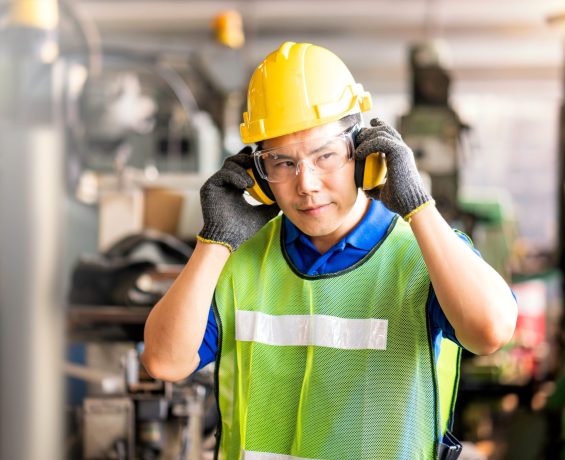
Hearing protection devices are designed to lower the intensity of sound that travels into your ear canal. They accomplish this by creating a barrier that decreases decibel levels and helps prevent excessive noise from reaching the inner ear. Common options include:
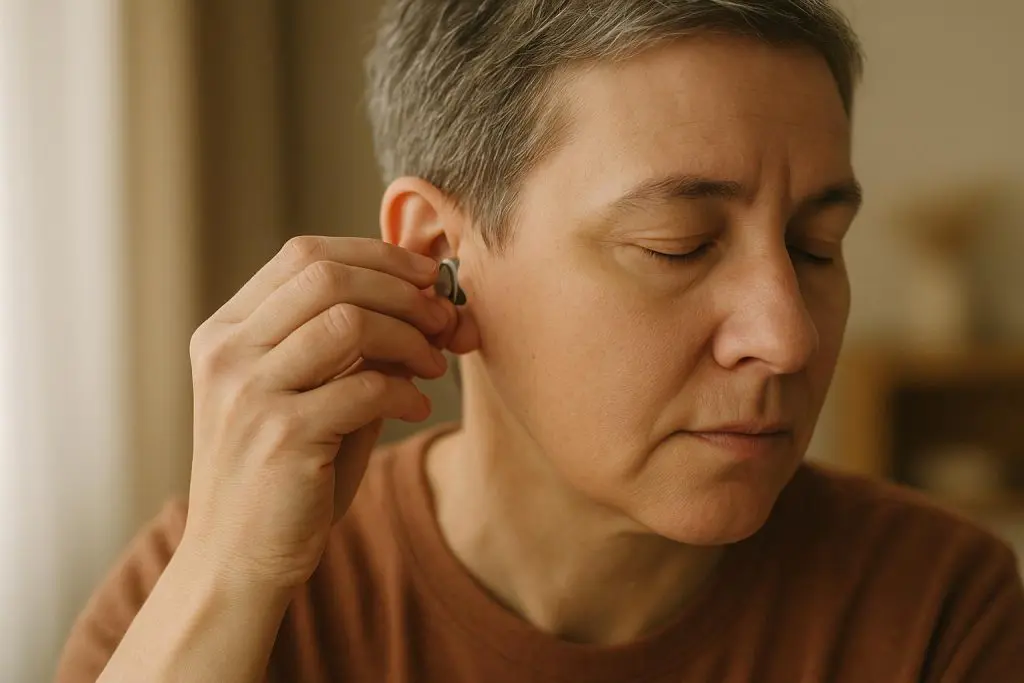
Merely having a pair of earplugs or earmuffs is not enough; it’s crucial to secure a proper fit. Even a slight gap or improper insertion can reduce the level of protection significantly. A good seal ensures that high decibel sounds are subdued before they reach your eardrum. If you notice noise “leaking in” or find it challenging to achieve a tight seal, consider switching to a different size or style. If you’re unsure, you may want to seek trusted support from a registered hearing aid practitioner who can show you a demonstration or guide you to the best product for your needs.
Proper fit is particularly essential for children, who are more vulnerable to permanent hearing damage caused by loud noises. Always double-check that a child’s earmuffs or earplugs are appropriately sized. Teaching them how to use hearing protection early can foster healthy habits into adulthood and help them better stay connected in school, extracurricular activities, and future work environments.
You may think hearing protection is necessary only in obviously loud workplace settings, like a construction site or factory. Indeed, these are prime examples of spaces where government regulations typically mandate hearing protection. However, everyday life offers many other scenarios where safeguarding your ears can be beneficial:
Recognizing these risks and taking proactive measures can significantly reduce the impact of harmful noise on your ears. If you’re unsure whether or not a particular setting is loud enough to warrant protection, it’s best to err on the side of caution. Over the long haul, consistent usage is much more beneficial than risking permanent injury.
Foam earplugs can be incredibly effective when used correctly. Here’s a simple protocol to boost their effectiveness:
When it comes to reusing earplugs, be sure to keep them clean. Foam earplugs lose their elasticity and become less effective after repeated use, so discard them once they no longer expand properly. Some silicone or flanged earplugs, on the other hand, can be washed and reused multiple times without losing their shape.
Myth #1: “My ears will get used to the noise.” Contrary to this myth, your ears don’t ‘toughen up.’ Instead, prolonged exposure to loud noise only wears down the sensory hair cells, leading to enduring damage and reduced capacity for better hearing.
Myth #2: “Earplugs make everything sound muffled.” High-quality, well-fitted earplugs will reduce decibel levels while still preserving speech and music detail. Specialized filters can help you avoid the unpleasant sensation of blocked ears.
Myth #3: “I don’t need ear protection if I’m just around loud noise for a few minutes.” Any exposure to high decibel levels can contribute to hearing damage. Although brief encounters may seem insignificant, they add up over time. Using hearing protection consistently, even for shorter durations, is always wise.
Myth #4: “I only need hearing protection at work.” While occupational noise is a leading culprit, many recreational activities can be just as harmful. Whether you’re using power tools at home or enjoying front-row seats at a game, you deserve the same level of ear protection you’d use on the job.
Safe listening habits and consistent hearing protection wear can spare your ears from the slow, cumulative damage that leads to noise-induced hearing loss. When you guard your hearing health, you can:
Protecting your ears long-term also alleviates the need for more intensive hearing solutions down the road. Though hearing aids are an excellent resource for many individuals, proactive prevention can help you avoid prematurely relying on them. For instance, if you are noticing signs of hearing loss already, it can be useful to schedule a comprehensive hearing test to understand your baseline hearing health and prevent further decline.
If you frequently find yourself in loud environments, regularly experience ringing in your ears, or struggle to follow along in conversations, it may be time to consult a hearing care professional or registered hearing aid practitioner. Often, individuals wait until issues become overwhelming before seeking assistance, but early intervention can make a big difference in outcomes.
Reputable clinics like Melody Hearing Clinic specialize in straightforward solutions and personalized care. They can measure your current hearing levels, recommend the best type of hearing protection devices, and fit you for custom earplugs if necessary. Being proactive translates into a lifetime of better hearing possibilities. The clinic can also counsel you about additional measures to preserve your auditory health, such as avoiding excessive earbud volumes and implementing safe listening breaks.
While hearing protection plays a huge role in preventing noise-induced damage, certain individuals may already have hearing loss and need professional support. If you suspect your hearing has worsened, or if you feel constant pressure in your ears, seeking a comprehensive evaluation is an excellent first step. This evaluation can pinpoint whether a preventive measure is enough, or if other steps—like hearing aids—could help you regain clear sound and keep you connected to the world.
In addition to using hearing protection devices, there are other preventative measures you can take:
Regular hearing protection doesn’t have to be a burden. Devices these days can be comfortable, stylish, and very effective. By integrating earplugs or earmuffs into your daily habits—carrying a pair in your bag or storing them in your car—you’ll always be prepared to protect your ears. Being mindful of noise levels and respecting your hearing health are simple yet powerful ways to ensure you continue to enjoy meaningful conversations, the subtle chirping of birds, or the rich tones in your favorite songs.
Beyond using ear protection in noisy environments, consider booking a professional assessment to gauge your current hearing health. If you’re 55 or older, you may qualify for a free hearing test, which is a convenient way to detect early changes in your ear function. Prevention is key, but so is clear, compassionate guidance on what steps to take next if a concern arises.
Long-term exposure to high decibel sounds is a significant threat to your hearing health, potentially leading to reduced clarity and a host of related troubles—especially if you ignore the early warning signs. The good news is that hearing protection devices are a simple, convenient, and cost-effective way to shield your ears against damage. When combined with regular checkups, good listening habits, and, if needed, solutions recommended by registered hearing aid practitioners, you’re setting yourself up for better hearing that lasts a lifetime.
Whether you need foam earplugs for weekend projects, custom-fitted devices for daily professional use, or more thorough interventions for existing hearing loss, taking proactive measures now can save you significant difficulties down the road. By prioritizing hearing protection, you are making an investment in your well-being and staying fully engaged with the world around you. Remember, it’s never too early—or too late—to start preserving one of your most vital senses.
Hearing Services