
Frequently Asked Questions
Age-related hearing loss, also known as presbycusis, is one of the most common forms of hearing decline. It typically appears gradually as people approach their mid-50s, although it can begin earlier for some individuals. Many older adults notice small warning signs—like needing the television louder or missing pieces of conversation in busy restaurants—before realizing their hearing has reduced. Over time, this challenge can grow if left unaddressed. But the good news is that modern care, ranging from comprehensive hearing assessments to personalized devices, can help keep you engaged with everyday moments and conversations.
Spotting the initial changes in your hearing is crucial. Because presbycusis develops slowly, it can be easy to overlook symptoms or see them as a normal part of aging. Still, certain cues can alert you to seek support:
These changes may feel minor initially. However, acknowledging them early and discussing concerns with a hearing care provider can prevent later discomfort and help you maintain your connection to loved ones, favorite pastimes, and daily life.
Multiple factors contribute to presbycusis. Over the years, the delicate structures in the inner ear, particularly the cochlea, can naturally wear down. Prolonged exposure to loud noise, either from work environments or recreational activities, further strains these sensitive cells. A family history of hearing loss, certain medications, and conditions like diabetes may also accelerate the decline. While some amount of hearing loss is common as we grow older, routine check-ups can minimize its impact. By recognizing risk factors—both genetic and lifestyle-related—you can take steps to protect your remaining hearing and seek early professional guidance.
Early detection empowers people to choose solutions before communication barriers become overwhelming. Missing out on a friend’s story, feeling disconnected in meetings, or straining to hear a loved one can erode confidence and potentially impact emotional wellbeing. Some individuals may withdraw from social situations out of frustration or a fear of misunderstanding important details. If you suspect shifting hearing levels, scheduling a comprehensive hearing test can help reveal precisely how you hear different pitches and volumes. Knowing your baseline allows you and your care provider to monitor changes, while addressing mild hearing challenges before they worsen.
A key advantage of seeking support early is gaining access to registered hearing aid practitioners who can personalize your care. These professionals specialize in recognizing and addressing hearing loss at various levels. They focus on balancing reliable diagnostics with practical, person-first recommendations, ensuring you never feel overwhelmed by clinical details. Registered hearing aid practitioners:
Partnering with a professional who truly understands the nuances of your hearing health can give you peace of mind and a strategy for long-term wellbeing.
Though presbycusis cannot be reversed, multiple strategies can help you manage and often improve daily communication. The right blend of support might include technologies, lifestyle tips, or counseling. There is no single solution appropriate for everyone, but commonly recommended approaches include:
By exploring these options with a registered hearing aid practitioner, you can build a plan that supports your lifestyle. For some people, hearing aids are more than enough for daily conversations. Others might appreciate assistive devices when watching television or speaking on the phone. The beauty of modern hearing support is that it can adapt to your needs instead of requiring you to adjust to a one-size-fits-all solution.
To discover if you need hearing support—or to confirm the extent of hearing loss—a comprehensive hearing test is a foundational step. During such an evaluation, you can typically expect:
Once results are in, you and your provider can review the details together, ensuring you grasp each element of the assessment. This knowledge is empowering because it reveals the root cause of your listening difficulties, guiding you toward the best next steps.
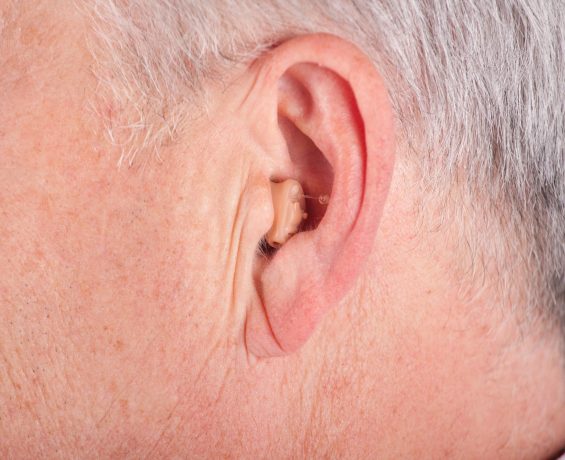
For individuals experiencing moderate to advanced hearing decline, hearing aids often serve as the most direct and effective form of assistance. They come in multiple styles—some fit discreetly inside the ear canal, while others sit neatly behind the ear. Modern hearing aids typically feature:
It is essential to remember that it takes time to adapt to hearing aids. You may notice subtle nuances you haven’t heard in a while—like the hum of the air conditioner or the tapping of your shoes on the floor—which can feel slightly overwhelming at first. Patience and consistent use help you adjust and enjoy a fuller, clearer soundscape.
Some individuals find that hearing aids alone solve many—though not all—of their daily listening challenges. If you still struggle in specific situations, assistive listening devices (ALDs) can fill the gaps. Examples include:
Even small devices, like smartphone apps designed for speech-to-text, can reduce stress in challenging environments. Such tools promote involvement in day-to-day life—whether it’s a simple family gathering or a volunteer meeting—by adding clarity to moments where hearing aids alone may not be enough.
Hearing loss can impact self-confidence, mood, and social interactions. You may find it tempting to avoid large gatherings, worried you will miss key parts of conversation and need constant clarification. This sense of apprehension can lead to feelings of isolation. Nonetheless, staying engaged is vital for overall wellbeing. Studies show that social connections help maintain cognitive function, emotional health, and a sense of purpose. If you struggle with social events:
Emotionally, it may help to speak with a counselor or your care provider if you find the adjustment demanding. They can offer suggestions and reassurance, reminding you that you are not alone in this journey. Progressively opening up about your hearing experience can ease any burden of feeling misunderstood.
While aging is a natural part of life, you do have control over factors that potentially worsen hearing decline. Creating ear-friendly habits can slow progression or preserve your current ability. Here are a few tips:
These everyday measures help ensure that you are doing your part to maintain healthy hearing, even as you age.
Finding a trusted hearing clinic in your area is a practical way to stay on top of age-related hearing loss. Many clinics offer flexible scheduling, extended appointment times, and convenient locations. For example, residents near Sherwood Park, Downtown Edmonton, Mill Woods, South Edmonton, or even St. Albert and Calgary can find comprehensive services and caring professionals who offer everything from initial evaluations to ongoing hearing aid follow-ups. If you’re exploring your options, consider a clinic that:
An effective clinic does not push unnecessary services. Instead, it focuses on your individual goals, which may include hearing well enough to stay active, continue group hobbies, or simply enjoy clear phone calls with the grandkids.
When you address presbycusis in its earlier stages, you can enjoy many rewards. Reconnecting to the subtle sounds around you—like a friend’s gentle laugh or the birds outside in the morning—can create uplifting moments in your daily life. Improved hearing also often translates to clearer communication, less stress, and healthier relationships at home and in your community. Moreover, recognizing that there is no shame in using support devices can lift a burden, reminding you that many people use them and go on to lead vibrant, socially active lives.
If there is one routine to keep up as you age, it is setting an appointment for a hearing check every one to two years. This ensures any quiet changes in your hearing are quickly identified. Most clinics, including those under the umbrella of trusted providers like Melody Hearing Clinic, make it easy to schedule a hearing test. If you are 55 or older, look for free or discounted evaluations, which are often available. Taking advantage of an accessible screening can safeguard your long-term hearing health.
If you suspect your hearing has changed, you can take several simple actions:
Ultimately, being proactive is the best way to ensure you can continue enjoying the moments that matter—whether that is having a chat over lunch or appreciating the calm hush of your garden.
Age-related hearing loss does not have to limit the quality of your social life, independence, or sense of wellbeing. By learning about presbycusis, identifying early warning signs, and seeking help whenever you notice challenges, you empower yourself to remain engaged and connected. Modern hearing aids offer discreet designs and advanced technology to bring clarity back to everyday encounters. Assistive listening devices focus on problem areas, like phone calls or television viewing, giving you bonus clarity and confidence.
Beyond technology, communication strategies and emotional support play key roles in maintaining a positive mindset. Reach out to family members, lean on peers who share your experiences, and do not hesitate to look into counseling or hearing rehabilitation services if you feel anxious about the changes. The crucial point is that you do not need to navigate hearing loss alone. With the right support system, life can still be rich, meaningful, and filled with enjoyable sounds.
Presbycusis is a normal part of aging for many, but it does not have to isolate or frustrate you. In fact, staying proactive with regular hearing checks, using the expertise of registered hearing aid practitioners, and embracing solutions like hearing aids or assistive devices can help you hear better for years to come. Remember to practice ear-friendly habits by managing noise exposure where possible and prioritizing a healthy lifestyle. Everyday preventive actions, combined with advanced hearing care, make it easier to continue the activities and conversations that enrich your life. Should you have any questions or want to learn more about your hearing health, reach out to a reliable clinic or email [email protected] for further guidance.
By taking these steps, you can preserve your ability to engage with the world, enjoying laughter, music, and conversation at every stage of life. Age-related hearing loss may be common, but with the right combination of awareness, emerging technology, and supportive professionals, you can maintain clarity, connection, and confidence.

Hearing Services