
Frequently Asked Questions
Keeping hearing aid accessories clean helps protect sound quality, comfort, and the long-term performance of your devices. Earwax, skin oils, dust, and moisture can collect on parts that sit in or near the ear, while electronic accessories can be affected by liquids and cleaning sprays. A simple routine is usually more effective than occasional deep cleaning: wipe and inspect your hearing aids and accessories each day, then clean or replace parts as directed by the manufacturer or your hearing care provider.
Because hearing aids, earmolds, domes, receivers, chargers, and wireless accessories are made differently, there is no single cleaning method for every item. Always follow the care instructions supplied with your specific device. If you are unsure whether a part can be removed, washed, or reused, ask a registered hearing aid practitioner before cleaning it.
A hearing aid cleaning kit often includes a soft brush, wax pick or loop, vent cleaner, and dry cloth. These tools are designed for delicate openings and surfaces. Keep them clean and use a light touch; pushing a tool too far into an opening can move wax deeper inside or damage a small component.
Wash and dry your hands before handling your devices. This reduces the transfer of oils, lotions, and moisture to your hearing aids and accessories.
Domes and earmolds are the parts that rest in the ear or ear canal, so they are especially likely to collect earwax. Their care depends on the type of hearing aid and the material used.
Disposable domes are generally intended to be replaced, not soaked or reused indefinitely. Remove visible wax with a dry brush or cloth if your manufacturer permits it, and replace the dome according to the recommended schedule or whenever it is torn, stiff, discoloured, loose, or blocked. A damaged or blocked dome can affect fit and reduce the clarity or volume of sound.
Custom earmolds may be washable only after they have been completely detached from the hearing aid and any electronic receiver, when applicable. If your practitioner has confirmed that your earmold can be washed, clean it with mild soap and lukewarm water, rinse it well, and allow it to dry completely before reconnecting it. Moisture left in the tubing or earmold can interfere with hearing aid performance. Do not immerse the hearing aid itself, its receiver, or any electronic component in water.
If you use behind-the-ear hearing aids with earmold tubing, your provider may show you how to disconnect the earmold safely and use an air blower to clear moisture from the tubing. Tubing can harden, discolour, or become loose over time. It may need professional replacement rather than repeated cleaning.
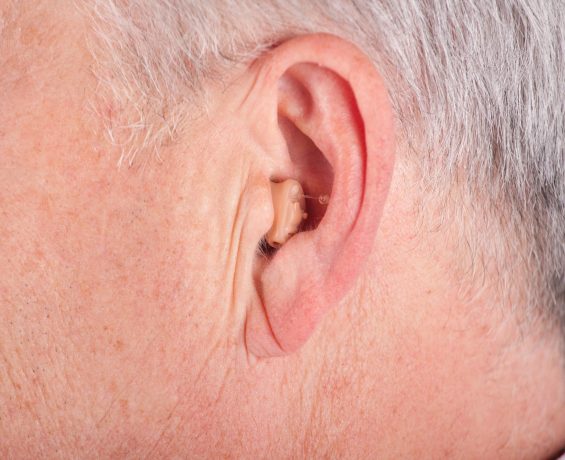
Many receiver-in-canal and in-the-ear hearing aids use a wax guard or wax filter near the sound outlet. This small filter helps prevent earwax from entering the receiver. When it is blocked, your hearing aid may sound weak, muffled, or completely silent even though the battery or charge level is fine.
Only change a wax guard if you have been shown how to do so or feel confident following the instructions. If the part will not release easily, stop rather than forcing it. A hearing aid maintenance appointment can help prevent accidental damage.
Vents and microphone ports also need care, but they should remain dry. Use a soft brush to remove loose debris. Do not blow into microphone ports with your mouth, as this can introduce moisture, and do not use compressed air, pins, needles, or sharp objects.
For hearing aids with disposable batteries, open the battery door each night after removing the battery. This lets air circulate and helps reduce moisture inside the compartment. Wipe the battery contacts gently with a clean, dry cloth or dry cotton swab if you see dust or residue. Never use water or liquid cleaner in the battery compartment.
Rechargeable hearing aids should be wiped with a dry, soft cloth before being placed in the charger. Keep charger contact points clean and dry, and place the charger on a stable surface away from sinks, steam, and direct heat. If a charger is not charging reliably, do not add liquid or force a connector into place. Check for visible debris and contact your hearing care provider for guidance.
Remove your hearing aids before showering, swimming, applying hairspray, or using lotion near your ears. Even devices with moisture-resistant features are not designed to be submerged unless the manufacturer specifically says otherwise.
Bluetooth streamers, TV connectors, remote controls, microphones, and similar accessories should be cleaned gently with a dry, lint-free cloth. Keep liquid away from buttons, charging ports, microphones, and speaker openings. If an accessory has a case, clean the case as directed by the manufacturer and make sure the device is dry before storing it.
Do not use household disinfectants, window cleaner, aerosol sprays, or abrasive cloths on electronic accessories. These products can leave residue, wear down surfaces, or enter small openings.
Moisture is a common cause of inconsistent hearing aid performance, particularly after exercise, time outdoors, or changes in weather. Each night, store your hearing aids in a dry, secure place. A hearing aid drying system or dehumidifier may be useful, but it should be used according to the manufacturer’s instructions. Remove disposable batteries before using a drying system unless the instructions say otherwise.
Never use a hair dryer, microwave, oven, radiator, or direct sunlight to dry hearing aids or accessories. Excess heat can permanently damage batteries, microphones, receivers, and plastic components.
Cleaning can resolve minor wax or moisture buildup, but it will not fix every problem. Arrange professional support if your hearing aid remains quiet, distorted, intermittent, uncomfortable, or unresponsive after you have checked the battery or charge, dome, wax guard, and visible openings. You should also seek help if an earmold no longer fits well, tubing is brittle, a part is cracked, or you are experiencing feedback or whistling.
Regular checkups give you an opportunity to have your devices inspected, cleaned, and adjusted as your hearing and daily communication needs change. Melody Hearing Clinic can provide guidance on caring for the specific devices you use and ongoing support for hearing aids. If your hearing seems different or you are having more difficulty following conversations, a professional hearing test can help clarify the next steps.
A consistent, gentle cleaning routine helps your hearing aids and accessories stay comfortable, reliable, and ready for the conversations and everyday sounds that matter to you.
Hearing Services