
Frequently Asked Questions
Proper care of your hearing aid can significantly enhance its performance and prolong its lifespan. By keeping it clean, dry, and well-maintained, you help ensure consistently clear sound and an overall better hearing experience. Below, we explore essential tips for looking after this important device. Whether you have recently obtained your first hearing aid or you have been using one for years, regular upkeep and consistent habits will keep it functioning optimally.
Hearing aids are delicate pieces of technology designed to amplify and clarify sound for individuals with hearing loss. These devices contain sensitive electronic components that need protection from moisture, dirt, and extreme temperature changes. Good care is crucial to avoid costly repairs and to maintain a reliable connection to the sounds you value. Many people rely on hearing aids to improve everyday conversations, stay connected during family gatherings, and engage comfortably in social events. By dedicating time to routine maintenance, you can help prevent unexpected malfunctions and enjoy better hearing health.
Moisture is one of the biggest threats to the longevity of any electronic device, and hearing aids are no exception. Exposure to water, high humidity, heavy perspiration, or even accidental splashes can lead to corrosion of internal parts. Whenever possible, remove your hearing aid before showering, swimming, or participating in activities that might cause excessive sweat. If you live in an area with high humidity or experience perspiration issues, consider using a specially designed hearing aid dehumidifier. Dehumidifiers help remove residual moisture overnight. Ensuring your hearing aid remains dry not only protects the electronic components but also helps maintain consistent sound quality.
Another simple tip for keeping your hearing aid dry is to always wipe it with a soft, clean cloth if it feels damp. If your device does become wet, do not attempt to use a hairdryer or place it in direct sunlight to speed up drying. Excessive heat can deform the casing or damage the circuitry. Instead, gently pat it with a dry towel and, if available, place it in a recommended drying container overnight. Being mindful about dryness protects your hearing aid’s sensitive parts and supports long-term functionality.
When you are not wearing your hearing aid, store it in a secure, dry place. A dedicated case or container is helpful for protecting it from dust, pets, or accidental mishandling. By designating a consistent storage area—such as a bedside drawer or a pouch in your bag—you lower the risk of losing your hearing aid or exposing it to harmful elements.
A proper storage space also provides convenience and peace of mind. When you know exactly where your hearing aid is located, you can find it without stress. If you are traveling, make sure you bring a sturdy carrying case to keep your device protected. For added security, label the case if you have multiple hearing aids or accessories. This way, everything remains organized and easily accessible.
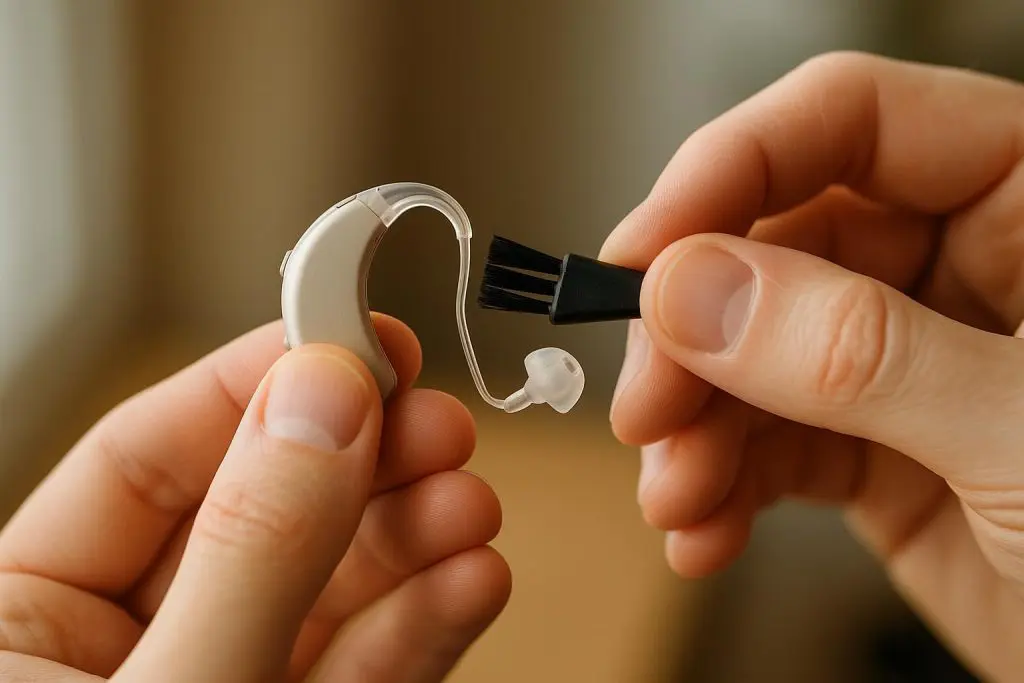
A clean hearing aid is more likely to deliver clear, uninterrupted sound. Earwax buildup, dust, and other debris can accumulate in the microphone, receiver, or tubing, reducing the device’s performance. Make a habit of examining your hearing aid daily for any visible debris. Gently wipe it with a soft, dry cloth to clear away surface particles. Avoid using alcohol, harsh chemicals, or cleaning solvents, which may damage internal components or erode the casing.
In addition to a general wipe-down, many hearing aids come with a small brush or tool designed to remove wax from the receiver or vent. These specialized brushes fit into tiny crevices without scratching the device. If you are unsure how to use these tools or require advice on more advanced cleaning, contacting a registered hearing aid practitioner or hearing care professional can be very helpful. They can advise on best practices and provide specialized cleaning services when necessary.
Heat and cold both negatively impact the sensitive components in your hearing aid. Excessive heat can warp plastic housing or damage the electronics, while extreme cold may cause condensation as the device adjusts to warmer surroundings. To prevent these issues, avoid leaving your hearing aid in direct sunlight, such as on a windowsill or inside a parked car. Similarly, when you move from a cold environment to a warmer one, remove the device briefly until it adjusts to room temperature. These small precautions help ensure the long-term reliability of your hearing aid.
If you enjoy outdoor activities and find yourself in varied climates, pack extra gear to protect your hearing aid. A small carrying case, along with a few cleaning tools and moisture-absorbent accessories, will help you deal with unpredictable weather conditions. This way, you can continue enjoying all your favorite outdoor pursuits without worrying about damaging your device.
Battery maintenance is a crucial element of caring for your hearing aid. Today, many modern hearing aids come with rechargeable batteries, eliminating the need for frequent replacements. However, if your device uses disposable batteries, store them at room temperature in a dry place. Avoid keeping them in the refrigerator, which might cause condensation and reduce their lifespan. Once your hearing aid battery is depleted, replace it promptly to prevent leakage or corrosion.
If you have a rechargeable hearing aid, follow the manufacturer’s instructions for optimal battery care. Overcharging or exposing the charging unit to high heat can degrade battery performance over time. Make a habit of charging the device as suggested, typically overnight. Regularly check the charger and battery contacts for signs of dirt or buildup, and wipe them clean with a gentle cloth when needed. Battery hygiene helps ensure smooth, consistent performance and longer device life.
Earwax is a natural substance that helps protect the ear canal, but it can also build up on your hearing aid. Too much wax accumulation might block amplification or degrade sound clarity. Consider asking a professional about earwax management techniques that suit you, such as regular ear cleaning or specialized drops (when recommended). Good personal hygiene around your ears helps keep your hearing aid functioning correctly.
For some individuals, wax guards or filters can be fitted onto the hearing aid’s receiver to catch earwax before it reaches the internal machinery. These tiny parts often need replacing to ensure maximum efficiency. If your device features replaceable wax guards, follow the instructions provided by your hearing care professional or consult your hearing aid’s manual for detailed guidance.
While daily care greatly reduces many potential issues, regular professional check-ups are essential to maintaining your hearing aid’s peak performance. Hearing care providers or registered hearing aid practitioners can clean the device more thoroughly, replace worn parts, and perform firmware updates if your hearing aid supports that function. These periodic inspections help identify small problems before they become expensive, inconvenient repairs.
In addition, your hearing itself may change over time. Attending scheduled evaluations or appointments allows you to ensure your hearing aid settings still meet your specific needs. If you sense a decline in clarity or comfort, do not hesitate to seek professional advice. Early detection of shifts in hearing health can lead to timely reassessment and adjustment of the device’s settings, providing continued comfort in everyday situations.
Occasionally, you may face minor issues such as intermittent sound, feedback noise, or weak amplification. Learning some basic troubleshooting steps can help you quickly address these concerns without missing out on conversations. For instance, if you experience whistling sounds, check that the device is positioned properly in your ear, and confirm there are no obstructions like earwax. If the device suddenly stops working, verify that the battery is charged or replace it with a fresh one if applicable.
When these simple fixes do not resolve the problem, it might be time for a professional consultation. Seeking help early often prevents larger malfunctions down the line, ensuring your hearing aid remains reliable. Above all, do not attempt to open your hearing aid casing to fix internal components on your own. Unauthorized repairs might void warranties and cause more harm than good. Rely on expert support to handle any major repairs or intricate alterations.
Many manufacturers and hearing care providers offer accessories that can simplify cleaning, storage, and overall hearing aid care. These include brushes, soft cloths, dehumidifiers, carrying cases, and protective sleeves. If you live an active lifestyle, you might benefit from sweat-resistant covers or specially designed sports headbands that help keep devices in place during vigorous activities. By selecting accessories suited to your daily routine, you minimize risks and maximize convenience.
Beyond physical accessories, certain hearing aids come with companion apps for smartphones or tablets, enabling you to monitor battery life, adjust volume, or fine-tune settings. Taking advantage of these apps can simplify your day-to-day interactions with your hearing aid, making it easier to adapt to diverse listening environments. Ask your hearing care professional for recommendations on the tools and resources that align best with your device and personal preferences.
Caring for your hearing aid does not have to be a chore. If you find these tasks complex, you are not alone. Consulting with a registered hearing aid practitioner can simplify the learning curve, ensuring you adopt the best cleaning methods, identify appropriate storage solutions, and understand how to troubleshoot minor problems. At Melody Hearing Clinic, for example, the team of professionals can walk you through daily care routines and address common concerns with a supportive, educational approach.
Aside from general care tips, they can also recommend new technologies or upgrades that may further enhance your everyday hearing experience. If you suspect your hearing needs have shifted, or you simply want to ensure everything is working at its best, a comprehensive hearing test can be an invaluable step. You can learn more about scheduling a hearing test at Hearing Test if you would like to assess your current hearing status.
Keeping your hearing aid in top condition is a lifelong commitment. With consistent care, many modern hearing aids remain reliable for several years, providing clear sound in diverse situations. By balancing at-home maintenance with regular professional check-ups, you can extend the life of your device and maintain excellent sound clarity. It is helpful to treat caring for your hearing aid as a routine part of your daily wellness habits—much like brushing your teeth or taking medication at prescribed times.
If you are curious about different styles of hearing aids, the latest features, or want to browse a variety of devices, a resource like the Hearing Aids page can be useful. There, you may discover models that better fit your ear, lifestyle demands, or preferred listening settings. While it is never too late to switch or upgrade, proactively maintaining the hearing aid you currently own helps ensure you receive the full value of your investment.
Hearing technology continues to evolve rapidly. New devices include improved noise cancellation, wireless connectivity, and smartphone integration. Staying informed about these advancements allows you to consider whether upgrading your hearing aid sooner might be beneficial. Additionally, evolving designs often feature enhanced comfort, smaller profiles, and innovative solutions for daily maintenance. If you are interested in exploring cutting-edge hearing technology, consult a hearing care professional to learn how these advancements can fit your unique hearing requirements.
Learning to care for your hearing aid is an investment in your hearing health and overall well-being. Relatively simple steps—like storing your device safely, keeping it clean and dry, and scheduling regular maintenance visits—can preserve sound quality and prevent unexpected breakdowns. Confidence in your hearing aid’s performance means you can participate more fully in conversations, gatherings, and other listening situations that make life enjoyable and meaningful.
Whether you are new to hearing aids or have been using them for a long time, caring for your device is a straightforward process with a big impact. By integrating these tips into your daily routine, you are taking proactive steps to protect your hearing health and enjoy a better quality of life. Whenever questions arise, remember that professional help is close at hand. A reliable care provider stands ready to offer guidance, ensuring you can navigate each stage of your hearing journey with comfort and clarity. Take these steps today, and experience how maintaining your hearing aid leads to a richer, more vibrant connection with the world around you.
Hearing Services