
Frequently Asked Questions
Invisible hearing aids have become a popular choice for those who value both clear sound and aesthetic appeal. When placed deep inside the ear canal, these devices offer a discreet and often undetectable way to manage hearing loss. Their size, positioning, and personalized design mean they rarely draw unwanted attention or cause self-consciousness. In this detailed overview, we will explore why invisible hearing aids stand out from other models, how they operate, and what you should consider before deciding if they are right for you. By understanding their advantages and potential drawbacks, you can make an informed decision about whether an invisible solution is your best path toward better hearing and improved quality of life.
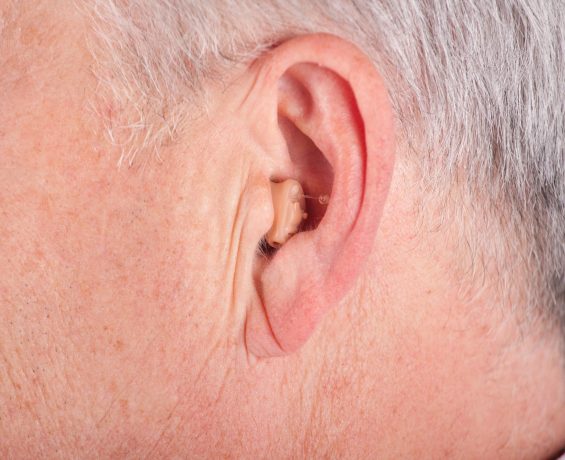
Invisible hearing aids—often referred to as “invisible-in-canal” (IIC) models—are custom-made devices designed to rest deep within the ear canal. Because they are molded to each individual’s unique ear shape, they fit comfortably and remain out of sight. Unlike behind-the-ear (BTE) or receiver-in-canal (RIC) models, invisible hearing aids typically do not have external wires or tubes, which makes them less noticeable to others. They are specifically crafted to enhance the wearer’s sense of peace and self-confidence, letting them focus on the world around them instead of worrying about whether their device is visible.
The principle behind their discretion lies in their placement. By sitting farther in the ear canal, these devices have the ability to capture sound more naturally, using the ear’s shape to funnel sound toward the eardrum. This close proximity to the eardrum may also help reduce the sensation of echo or feedback, in certain cases, though individual experiences can vary. Many people who feel self-conscious about wearing a hearing aid find that invisible models provide the relief they need to seek the care they deserve. Ultimately, the goal of invisible hearing aids is to help people stay connected with loved ones, enjoy clearer sound, and preserve a natural appearance.
For many, the primary reason to consider invisible hearing aids is discretion. While modern hearing aids have become thinner, sleeker, and more stylish over the years, some individuals remain wary of wearing anything that suggests they have hearing difficulties. The social stigma around hearing loss can be a barrier to getting help, and invisible hearing aids can ease the transition by blending seamlessly with a person’s daily routine. When a device is not noticeable, it is often easier for users to embrace, especially if they are concerned about how friends, colleagues, or even strangers might react.
Beyond aesthetics, there can also be practical benefits to a discreet design. For instance, if you have a job requiring you to wear headgear, phone headsets, or other equipment, you may prefer a device that will not interfere. Because invisible hearing aids are placed deep in the canal, they are less likely to get in the way or cause discomfort due to rubbing, especially compared to a behind-the-ear device that might become tethered or caught. In this sense, invisible hearing aids satisfy not only the desire for discretion but also contribute to daily comfort.
Before making a decision, it is helpful to recognize the distinctions between invisible hearing aids and other common styles, such as in-the-ear (ITE) and receiver-in-canal (RIC) models. While some ITE and RIC designs are relatively small, they may still partially rest in or behind the ear, making them somewhat more visible.
Compared to these styles, invisible hearing aids are intended to eliminate the visual presence of your device. The trade-off, however, may include shorter battery life and fewer onboard features due to their compact size. Nonetheless, many people find that the aesthetic benefits and sense of normalcy outweigh those concerns.
When choosing an invisible model, consider important performance characteristics as well. These include:
Balancing performance with appearance is typically the main challenge. For example, an invisible design might satisfy your desire for ultimate discretion but may not have all the advanced mechanics you want. If you are someone who regularly streams phone calls or audio, or if you have dexterity concerns, invisible hearing aids might not be the ideal choice. Still, for many people, they serve as a wonderful solution to restore hearing while remaining practically undetectable.
Not every type of hearing loss is well-suited for an invisible hearing aid. The depth of the ear canal, ear shape, and the severity of hearing loss all factor into whether you can effectively use an IIC device. Typically, invisible devices work well for mild to moderately severe hearing loss, particularly when the ear canals can comfortably accommodate a deep-fitting unit. Individuals with very profound hearing loss or unusual ear anatomy might be guided toward other styles that provide better amplification or fit.
Those who greatly value a natural appearance and do not require extensive additional features—like extensive Bluetooth streaming—often find invisible hearing aids an excellent choice. Some people also prefer the presence of custom earmolds, as they feel more stable and secure. Your registered hearing aid practitioner will work with you to determine whether your ear canal is a good candidate for invisibility. The goal is always to ensure you have both the required support for clear sound and the daily ease that keeps you feeling confident.
Maintenance plays a key role in preserving the longevity and performance of invisible hearing aids. Because these devices sit deep in the ear, they are especially prone to buildup from earwax and natural oils. Here are a few maintenance tips:
Adhering to a simple maintenance routine can help your invisible hearing aids continue delivering the best possible results. This routine might also include having your ears examined for excessive wax. If wax accumulates, it can affect the effectiveness of your hearing aids by blocking the tiny openings that deliver sound.
While the appeal of invisible hearing aids is strong, it is also essential to remember that the ultimate priority is better hearing. In some cases, an invisible device might be ideal. In others, it might not offer the level of amplification, battery longevity, or connectivity needed to meet your lifestyle. If your primary goal is to enjoy the highest degree of discretion possible—and your degree of hearing loss allows for it—these models can be a life-changing choice.
It is crucial to weigh different factors, such as how often you are willing to change batteries, whether you need advanced features like direct streaming, and if you value ease of insertion over invisibility. By detailing your preferences and discussing them with a registered hearing aid practitioner, you can find a style that addresses your needs without making you feel self-conscious. Many people who choose invisible devices report feeling a renewed sense of confidence and freedom, as friends, family, and colleagues often do not realize they are wearing them.
Some individuals hesitate to get a hearing test because they do not want to acknowledge they have hearing difficulties. However, it is important to remember that treating hearing loss early has substantial benefits. When you do not strain to catch words or isolate sounds, communication becomes easier and less stressful, allowing you to stay connected with friends and family. If discreetness has been holding you back from exploring hearing solutions, invisible hearing aids might be the option that makes you take that positive leap.
Before deciding on any hearing device, consider booking a Hearing Test to evaluate your current hearing levels. This comprehensive hearing test can identify the nature of your hearing difficulties, help pinpoint the right solutions, and guide you toward a variety of styles—from invisible in-canal devices to more robust, feature-packed options. A basic hearing evaluation can also serve as a starting point for your hearing wellness journey.
Comfort is a top concern, especially for devices that rest so far within your ear. When you opt for invisible hearing aids, a registered hearing aid practitioner will take impressions of your ears, ensuring that the casing is molded for a perfect fit. Because they occupy a more naturally contoured area of your ear canal, many users find them less intrusive than other styles. The absence of additional tubing or external compartments can make these devices feel more natural—almost as if they are not there.
However, satisfaction hinges on getting an accurate and careful fitting. If the impressions are not done properly, or if your ear has an atypical shape, you might experience whistling, discomfort, or poor sound quality. That is why consistent follow-up appointments with your hearing care professional are invaluable. They can recheck the fit, make adjustments, and ensure you are experiencing the blend of comfort and performance you expect from your invisible hearing aids.
One of the biggest fears people have before choosing an invisible model is, “What if I cannot reach it or remove it easily?” However, invisible hearing aids typically incorporate a small, transparent pull tab for removing them. While it is a delicate process, practice and guidance can help you feel comfortable and confident. Another concern is how effectively these devices pick up sounds in loud environments. As with all hearing devices, background noise management can vary, so it is worth discussing your common listening environments with your practitioner. By calibrating the hearing aids to your specific needs, you can maximize clarity while filtering out unnecessary noise.
Another consideration is how the deep canal placement might affect ear health. Usually, if you keep your devices clean and store them properly, the risk of complications is low. Some individuals are prone to ear infections or have narrow canals that trap moisture, so it is important to share this information with your hearing practitioner. They will ensure you wear the right type of device and follow a maintenance routine that prevents issues from arising. In many cases, invisible hearing aids can actually reduce the self-consciousness that comes with wearing larger devices, making it easier for people to commit to ongoing ear care.
The journey to better hearing is about more than just picking a device. It is about feeling supported, informed, and encouraged every step of the way. At Melody Hearing Clinic, you can work with registered hearing aid practitioners who will listen to your concerns, evaluate your hearing levels, and ensure you find a solution that truly fits your lifestyle. Their goal is to help you feel confident about your choice—whether that is invisible hearing aids or some other model. By combining expert guidance, personalized care, and a commitment to patient-first support, you can walk away with a clearer sense of how to improve your hearing health.
If you are still unsure about which style best fits your needs, you might explore comparing multiple models side-by-side. You may also want to consider scheduling a short consultation to discuss the advantages and disadvantages of each option. Access to thorough information can make your purchasing decisions feel more secure. Remember, this is an investment in your ability to connect with the world. You deserve to feel comfortable from the moment you slip your hearing aids into your ears to the moment you take them out at night.
Discreetness may be a major draw, but the true value of invisible hearing aids lies in the benefit they bring to daily life. In conversations with friends or family, the subtlety of an invisible hearing aid allows you to engage fully without worrying whether your device is causing a distraction. The confidence boost that comes from natural listening experiences cannot be overstated, especially when improving your hearing means rediscovering the joys of social connection, entertainment, and everyday tasks.
Ultimately, if you have long postponed getting help because you were concerned about how a hearing aid might look, invisible models can remove that barrier. They offer a nearly seamless experience that merges comfort, clarity, and an emphasis on natural appearance. By working closely with a trusted hearing care professional, you can confirm whether these tiny devices are suitable for your specific type of hearing loss. Recharge your confidence, stay connected to the conversations that matter, and re-engage with the everyday sounds that bring life into focus.
If you have further questions or want to start your path to better hearing, consider booking a comprehensive hearing assessment. It is a simple, proactive step that can open the door to clearer, more confident communication. Invisible hearing aids might be the discreet solution you have been seeking, but you will never know until you explore all the options. Whether you end up with an IIC device or another style, prioritizing your hearing health now can help you enjoy a future filled with clearer sound and deeper connections.

Hearing Services