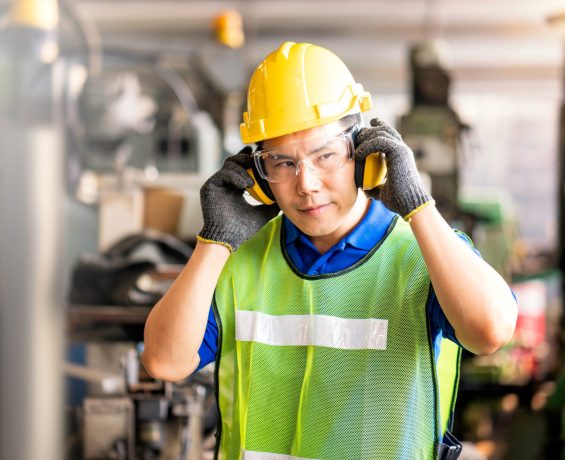
How can one protect their hearing in noisy environments like industrial settings?
Frequently Asked Questions
FAQ
How can one protect their hearing in noisy environments like industrial settings?
Protecting your hearing in noisy industrial environments is crucial to prevent long-term damage. One of the most effective measures is using appropriate hearing protection devices. Earplugs and earmuffs are commonly used, with earplugs being more suitable for high-frequency noise and earmuffs for lower frequencies. For optimal protection, custom-moulded earplugs can be tailored to fit your ears perfectly, providing better noise reduction and comfort. It’s also important to follow occupational safety guidelines, including regular hearing protection training and compliance checks. Implementing engineering controls, such as sound barriers, noise-dampening materials, and quieter machinery, can significantly reduce noise levels at the source. Administrative controls, such as rotating tasks to limit exposure duration and scheduling noisy tasks during less populated shifts, can also help minimize exposure. Regular hearing tests are essential for monitoring hearing health and detecting early signs of hearing loss. Employers should provide these tests as part of occupational health programs. Additionally, educating workers about the risks of noise exposure and the importance of hearing protection can foster a safety culture. By combining these strategies, individuals can protect their hearing and maintain auditory health in noisy industrial environments.
Hearing Services
Hearing Protection
Custom hearing protection is a huge quality-of-life bonus for anyone who works with machinery, loves music, or has other loud hobbies. Visit us for a more comfortable way to protect your ears.