
Frequently Asked Questions
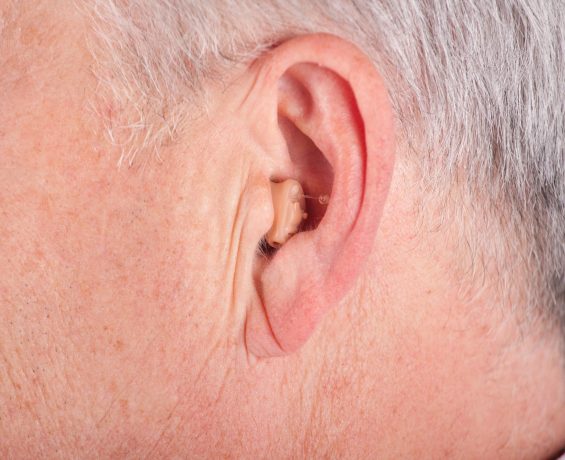
Invisible hearing aids offer a discreet hearing solution to users who want to address hearing loss without drawing attention to their devices. These aids fit deep inside the ear canal, making them nearly imperceptible. As technology continues to evolve, Bluetooth connectivity has become more common in hearing aids of all sizes. However, it can still be challenging to incorporate advanced wireless features into tiny devices like invisible-in-canal (IIC) or completely-in-canal (CIC) hearing aids. This article delves into the details of Bluetooth-enabled invisible hearing aids, why wireless connectivity can be so beneficial, and how new developments in hearing technology are bridging the gap between discretion and functionality.
Invisible hearing aids typically refer to the smallest in-the-ear devices, such as IIC or CIC styles. Because they rest deep in the ear canal, these devices are celebrated for their discreet appearance. Their snug fit not only helps conceal them from view but can also provide a more natural listening experience, allowing external sound cues to reach your outer ear as usual. While these styles are highly sought after for their cosmetic advantages, the small size can pose technological challenges. Features like directional microphones, rechargeable batteries, and wireless connectivity usually take up extra space, so some invisible hearing aids may not offer all the functionalities you can find in larger devices.
Bluetooth connectivity is more than just a convenient extra—it’s a transformative feature for many hearing aid users. By connecting your hearing aids wirelessly to your phone, television, computer, or other Bluetooth devices, you can stream audio directly to your ears. This direct-to-ear audio makes it easier to follow phone calls, enjoy music and videos, and participate in online meetings. The clarity of sound is improved because the audio signal is delivered straight to your hearing aids, reducing background noise and enhancing speech comprehension. While invisible hearing aids are appealing for their minimal visibility, the question becomes whether this miniaturized design can accommodate the extra hardware required for wireless streaming.
Before deciding on a Bluetooth-enabled invisible hearing aid, it helps to weigh the benefits and potential limitations:
If you value subtlety and advanced features, a Bluetooth-enabled invisible hearing aid may be an excellent match. However, if cost or battery life are top concerns, it might be worth exploring other styles. Ultimately, the decision should align with your hearing priorities and lifestyle.
When shopping for invisible hearing aids, you should confirm whether the model you like offers Bluetooth connectivity. Because the term “invisible” may not guarantee the presence of wireless features, it is best to consult with a hearing care professional or read the product specifications carefully. Key questions to ask include:
Gathering this information helps you make an informed choice. For example, you might prefer a device that connects directly to your smartphone without needing an intermediary streamer, especially if convenience is a top priority.
The good news is that hearing aid manufacturers are investing heavily in research and development to improve invisible hearing aids. Each year brings new device releases that are smaller and more powerful. Many models now incorporate advanced digital signal processing, noise reduction, and even rechargeable battery options. Some hearing professionals predict that in just a few years, nearly all hearing aids—regardless of size—will come with standard Bluetooth connectivity. This shift will give users more freedom to choose an invisible solution without sacrificing state-of-the-art wireless features. The more the market emphasizes discreet technology, the more pressure manufacturers face to innovate and shrink components further.
Using Bluetooth in smaller hearing aids sometimes calls for extra attention to factors like device pairing, battery usage, and maintenance. Here are a few tips to help you get the most out of your Bluetooth-enabled invisible hearing aid:
By being proactive and attentive to these tips, you can strengthen your wireless experience. Remember that you can always reach out to a registered hearing aid practitioner for help if you run into pairing difficulties or have sound quality concerns.
For individuals whose invisible hearing aid model does not integrate Bluetooth directly, external streaming devices—sometimes called streamers—offer a solution. These small, wearable accessories pair to your smartphone or other Bluetooth-enabled devices, then relay audio signals to your hearing aids wirelessly. Although streamers add an extra step, the advantage is they let you enjoy benefits such as phone call streaming even if your hearing aids themselves do not have a built-in wireless chip. Streamers vary in size and design, so it is wise to explore different options to find one that fits your daily routine comfortably. Some are designed like small pendants or clips, making them convenient to carry around.
While invisible hearing aids with Bluetooth connectivity can be a wonderful option, they may not be right for everyone. As you evaluate your needs, consider the following:
Speak with a hearing care professional about your situation to find the style that best matches your lifestyle and physical considerations. While the allure of near-invisible hearing aids is undeniable, comfort, reliability, and feature availability are equally crucial for a positive experience.
Before jumping into hearing aid selection, it’s important to know the specifics of your hearing health. A comprehensive hearing test can provide detailed insights into the type and degree of hearing loss you may be experiencing. This is key to determining if an invisible hearing aid, with or without Bluetooth, will be appropriate for your needs. The test measures how well you hear sounds across multiple frequencies and volumes, helping practitioners fine-tune the settings of your hearing aids once you decide on a particular model. For those who are unsure whether discretely designed hearing aids will meet their hearing requirements, thorough testing and professional consultation can make all the difference.
If you’re in need of guidance or are curious about how invisible hearing aids match up to your daily routine, you can consult registered hearing aid practitioners who specialize in discreet, personalized solutions. Many clinics, such as Melody Hearing Clinic, focus on combining modern hearing technology with a supportive, patient-first approach to care. Their team offers solutions that address both aesthetic and functional needs, helping you stay connected to loved ones and everyday experiences. From hearing aids that offer secure Bluetooth streaming to assistive listening devices that supplement your hearing in high-noise environments, clinics dedicated to patient success strive to offer clarity, convenience, and ongoing support.
The future is bright for Bluetooth connectivity in invisible hearing aids. As hardware components shrink and battery technology improves, more manufacturers will likely deliver discreet hearing aids that provide full-scale streaming capabilities. Some hearing solutions on the horizon aim to integrate smartphones and hearing aids seamlessly, detecting hearing environments and automatically adjusting settings to optimize clarity. These transformations will likely push the hearing industry closer to the day when every style of hearing aid can provide advanced connectivity features without compromising on comfort or size.
Q: Can I stream music directly to all invisible hearing aids?
A: Not all invisible hearing aids offer direct streaming. Some models still rely on an external streamer for music and phone calls. Always confirm the product’s specifications to see if it supports direct-to-aid streaming.
Q: Will using Bluetooth drain my hearing aid battery faster?
A: Yes, Bluetooth streaming typically increases battery usage. However, newer models are becoming more energy-efficient, and you can preserve power by disabling Bluetooth when you’re not streaming.
Q: Are Bluetooth-enabled invisible hearing aids more expensive?
A: In many cases, Bluetooth-compatible devices fall into a more premium pricing tier. However, the benefits of direct streaming and convenience may justify the extra investment for those who rely heavily on phone calls or multimedia content.
Invisible hearing aids that incorporate Bluetooth technology combine the best of both worlds: a discreet design and valuable wireless features. Although finding the right device may involve balancing size constraints with connectivity requirements, you have more options now than ever. If you prioritize discreetness, it’s possible to find a device that offers both near invisibility and the modern convenience of Bluetooth streaming. For those whose chosen model lacks built-in wireless functionality, external streamers serve as helpful add-ons, ensuring you can still benefit from hands-free calls and clear audio. Ultimately, the decision to opt for a Bluetooth-compatible invisible hearing aid will come down to your day-to-day routines, hearing needs, and personal preferences.
Before making any purchase, consider scheduling a thorough hearing assessment. If you live near Edmonton, you might explore options to visit a local hearing clinic that provides easy access to personalized care and a variety of hearing solutions. Whether you choose an invisible device, a behind-the-ear style, or something in between, the most important factor is choosing a solution that supports your lifestyle, helps you stay connected, and offers a comfortable listening experience. With innovation driving more powerful, compact technologies each year, those searching for a discrete hearing solution with modern features will continue to find exciting options.

Hearing Services