
Frequently Asked Questions
Hearing health is an essential part of leading a connected, fulfilling life. Many of us rely on clear sound every day to stay engaged in conversations, remain alert at work, and enjoy time with friends and family. Yet, changes in our ability to hear often happen gradually, making them harder to notice. Over time, this unnoticed hearing loss can limit our interactions and bring about frustration or social withdrawal. Regular visits to a registered hearing aid practitioner (RHAP) can help you identify these subtle changes, catch issues early, and find solutions that preserve your overall quality of life.
Registered hearing aid practitioners specialize in assessing hearing, ensuring the right fit for hearing aids, and providing ongoing care. Their background in hearing health allows them to spot minor shifts in your hearing long before they significantly affect your everyday experiences. Seeing an RHAP regularly can help you receive answers to any questions, whether they’re about the most up-to-date hearing aid technology, the value of hearing protection in noisy work settings, or the benefits of comprehensive hearing tests. With an RHAP’s support, you have a trusted guide for every stage of your hearing journey.
Hearing loss rarely appears overnight. More often, it starts with small changes, like straining to hear conversations in a busy restaurant or turning up the volume on the TV more than you used to. Because this progression is slow, many people simply adapt to these changes without realizing how much they’ve altered their habits. Over time, difficulty hearing can become the new normal. By scheduling routine appointments with a registered hearing aid practitioner, you’ll keep these small problems from growing into bigger challenges. Early detection means more straightforward solutions, better hearing, and less disruption to your daily life.
If you’re not sure when to schedule that next appointment, consider whether you’ve experienced any of the following:
Any of these indicators could signal a change in your hearing health. A quick visit to a registered hearing aid practitioner can confirm whether you need additional exams, preventive measures, or hearing solutions.
One of the most common questions people ask is, “How often should I have my hearing checked?” The answer can depend on multiple factors, including age, work environment, and whether you currently use hearing aids. In general, those over 60 should consider annual hearing assessments. Workplace-related exposure to loud noise may also require more frequent testing. Even younger adults can benefit from checking their hearing periodically—especially if they attend loud concerts, work in construction, or frequently use headphones at high volumes. Keep in mind that your hearing can shift in many small ways throughout your life, so scheduling regular exams protects your ability to hear clearly and stay connected.
If you would like more in-depth guidance or you’re aware of risk factors such as a family history of hearing loss, it’s wise to ask for personalized recommendations from your practitioner. In some instances, more regular visits will ensure that any changes to your hearing are caught as soon as possible. These appointments can also be an opportunity to discuss a range of solutions, from hearing protection to new device features that may enhance your everyday routine.
Just like annual eye exams or routine dental checkups, regular hearing tests can catch small issues before they transform into bigger frustrations. Early detection is key to tailoring the right care for you, whether that means investing in a new set of hearing aids or taking steps to protect yourself from further decline. By being proactive about your hearing health, you not only reduce the likelihood of missing out on conversations, but you also support your long-term well-being. Better hearing makes social gatherings more enjoyable, facilitates clear communication at work, and keeps you in tune with the world around you.
Remember, hearing support is not just for older adults. Younger individuals exposed to loud occupational noises benefit from early detection and consistent monitoring, too. Preventive measures like custom hearing protection or limiting exposure to high volumes can make a huge difference. By taking a forward-thinking approach to your hearing, you can avoid the need for more intensive interventions later on.
When you meet with a practitioner, expect a supportive, low-pressure environment designed to help you feel at ease. You can ask questions about rest-related tinnitus, preserving your hearing for a favorite hobby, or the difference between various types of hearing aids. A practitioner can also discuss if you’d benefit from a comprehensive hearing test, including advanced diagnostic tools that identify which frequencies you hear best and where you may need some support. Based on these findings, you may discover there are straightforward solutions for improving clarity and maintaining an active, social lifestyle.
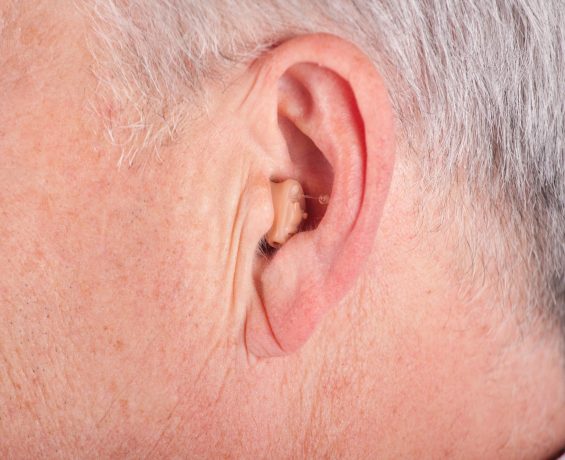
In addition, your RHAP may recommend that you explore specific technologies, like behind-the-ear hearing aids or smaller in-the-canal models. If a change in your hearing profile is detected, they’ll ensure your devices are properly calibrated to match any new needs. By partnering with a caring professional, you’ll have a sense of reassurance that your hearing plan is personalized, holistic, and aligned with your day-to-day life.
Every individual is unique, and our hearing patterns shift at different rates. With regular checkups, your RHAP can track small variations in your hearing thresholds, enabling them to adapt any devices or care strategies accordingly. These visits may include a quick hearing test, adjustments to your current hearing aids, or a conversation about new protective measures if you’ve transitioned to a noisier environment.
Some people worry that frequent appointments can be inconvenient, but consistency in hearing care often helps prevent bigger problems down the line. Scheduling a checkup is a simple and convenient process, especially if you visit a clinic in a location that’s easy to access. Fortunately, Melody Hearing Clinic offers multiple locations throughout the region—including Downtown Edmonton, South Edmonton, Mill Woods, Sherwood Park, St. Albert, and Calgary—making it simpler than ever to stay on top of your hearing health.
If you already own hearing aids, you know how life-changing they can be when properly fitted and maintained. Over time, however, your hearing can shift or your devices may need adjustments, cleaning, and software updates. Scheduled follow-ups allow your practitioner to fine-tune your hearing aids to match any new patterns in your hearing profile, ensuring they continue to deliver clear, amplified sound that meets your needs. During these checkups, you can also discuss any questions about device care, such as proper cleaning techniques or strategies for prolonging battery life.
Regular visits are also an excellent opportunity to explore new technological developments in hearing aid design. You might learn that smaller, more discreet devices have become available, or that certain models now offer seamless Bluetooth streaming to smartphones. Technology is constantly evolving, and your RHAP can guide you toward the best solution for your lifestyle. That level of personalized care can keep you confident in your devices and ready to engage fully in social situations.
Hearing health extends beyond simply being able to chat with loved ones or hear the television more clearly. Studies indicate that untreated hearing loss can contribute to social isolation, which may impact emotional well-being. Regular visits to a registered hearing aid practitioner can help you avoid missing out on important conversations, maintain stronger connections with friends and family, and stay involved in group activities.
Another advantage of proactive hearing care is reduced listening effort. When you can hear well, your mind doesn’t expend as much energy trying to fill in gaps in conversation. This can lead to improved concentration and less mental fatigue, enhancing your day-to-day activities. Early detection and consistent monitoring make it easier to take advantage of these benefits, so you can focus on living your life to the fullest.
Whether you’re noticing subtle shifts in how clearly you hear or you simply wish to stay prepared, an annual or regular hearing assessment is one of the best steps you can take. During these evaluations, your registered hearing aid practitioner will use specialized equipment to measure how well you perceive different frequencies. These test results provide a detailed map of your hearing abilities, helping you each time you look into new hearing solutions or decide to invest in hearing aids. Having a reliable, up-to-date record of your hearing exam results also means any adjustments can be made fast, giving you greater control over your hearing health.
As workplaces and social gatherings grow louder—be it from music events or bustling restaurants—many people find it more difficult to communicate. A regular checkup allows you to stay ahead of these challenges through protective measures or timely device recommendations. With additional steps like custom hearing protection, you can safeguard your ears for the long term and enjoy your hobbies without sacrificing fun or comfort.
In addition to seeing a practitioner, you can do several simple things to maintain your hearing health:
No two individuals have the exact same hearing profile, and no single solution fits everyone. A caring, personalized approach—like the one offered at Melody Hearing Clinic—ensures that you not only receive accurate test results, but that you also receive guidance tailored to your needs. This might mean learning more about specialized programs in your hearing aids for music listening, or scheduling same-day visits if you frequently experience feedback or whistling in noisy environments.
Because hearing is so integral to your quality of life, it’s important to have trusted support when questions arise. If you’re unsure about the features of your hearing aids or you’re curious about a new technology option, a registered hearing aid practitioner can walk you through everything in plain, straightforward language. Their expertise also helps in spotting any red flags that could require a referral for different forms of care. By partnering with a professional you trust, you’ll enjoy consistent, long-term monitoring that keeps you prepared for whatever life brings to your doorstep.
The convenience and advantages of regular visits to a hearing health professional cannot be understated. By the time most people become aware of their hearing issues, they may already struggle in social gatherings, important meetings, and family interactions. But it doesn’t have to be that way. Booking a routine checkup is a proactive step that places you in control. You’ll hear more clearly, experience fewer misunderstandings, and enjoy a fuller life. Whether you suspect an issue or simply want the peace of mind that comes with a professional evaluation, consistent checkups will ensure you remain in tune with the world’s sounds.
Whether you have never used hearing devices before or have been wearing them for years, making ongoing appointments to see a registered hearing aid practitioner can transform your life. From early detection that prevents gradual hearing loss from becoming a bigger obstacle, to routine device checkups and new product demonstrations, you’ll benefit from an approach that emphasizes clarity, comfort, and confidence. If you’re ready to learn more—or if you’re interested in a new or updated hearing test—don’t hesitate to reach out.
When you invest in proactive hearing care, you invest in your ability to stay connected, reduce listening effort, and enhance everyday activities. Consider visiting an RHAP at least once a year or more, depending on your individual circumstances. The effort you put into protecting your hearing today can reward you with a lifetime of meaningful conversations and delightful moments. If you want to find out more about personalized solutions, schedule your appointment today and experience trusted support from caring professionals.

Hearing Services