
Frequently Asked Questions
When it comes to safeguarding your hearing, custom earplugs can play a vital role in reducing noise exposure and enhancing overall comfort. For those who attend loud concerts, work in industrial settings, or simply want a better way to block out unwanted noise, custom earplugs provide a reliable solution. Rather than relying on off-the-shelf options, these specialized devices are shaped to the unique contours of your ear canal, resulting in a personalized fit that can significantly improve both sound isolation and overall wearability.
Custom earplugs are more than simple noise blockers. They can also be designed for specific purposes, such as swimming protection to deter water from entering the ears or tailored attenuation filters for musicians who want to preserve sound quality while limiting harmful decibel levels. Indeed, the value of custom earplugs extends beyond just performance—they enhance the overall hearing experience by focusing on comfort, clarity, and protection.
In this expanded guide, we’ll discuss how custom earplugs are made, their many different uses, the advantages of going with a custom fit, and ways you can maintain them for long-lasting performance. We’ll also highlight who can benefit the most—from professional drummers to frequent travelers—while answering common questions about the fitting process, materials, and more.
Noise-induced hearing loss is a widespread concern across various age groups. Prolonged exposure to loud sounds can damage the delicate structures in your inner ear, leading to gradual and often permanent hearing decline. Concerts, traffic, industrial settings, and even everyday household tools produce decibel levels that could pose a risk over time. Thus, taking a proactive approach to guarding your ears can make a significant difference in your long-term hearing health.
Earplugs are a simple yet powerful way to minimize potentially harmful noise. While standard foam earplugs are readily accessible and can work well in some situations, they typically come in a one-size-fits-all design that may not provide optimal comfort or seal. As a result, some people find them either too tight, making them uncomfortable to wear for extended periods, or too loose, letting in noise around the edges. In contrast, custom earplugs are made to match your unique ear canal, ensuring a snug, comfortable fit that doesn’t compromise protective quality. This allows you to wear them longer without the irritation or reduced effectiveness that often occurs with generic plugs.
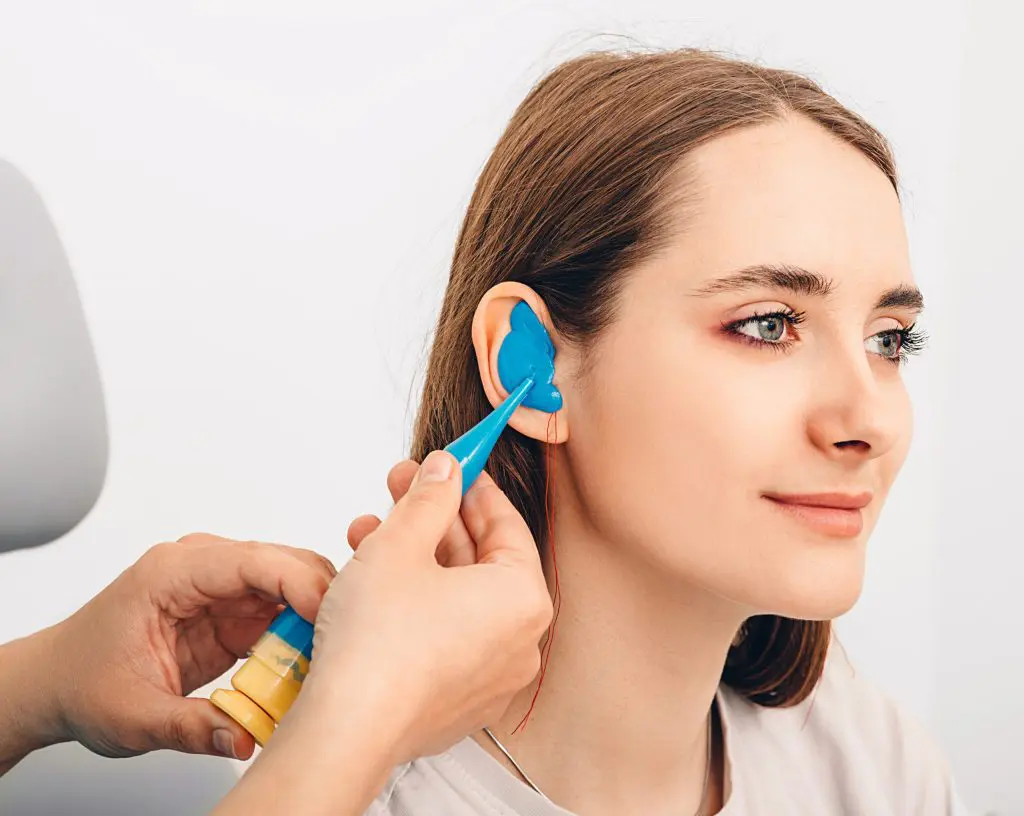
One of the questions people commonly ask is, “How exactly are custom earplugs created?” While the process can vary slightly depending on the hearing care provider, the standard procedure typically includes:
This carefully orchestrated procedure results in earplugs that combine a premium seal with a personalized fit. Because no two ears are alike, the final product is unique to your anatomy, allowing for a level of comfort and effectiveness unattainable with generic earplugs.
Not everyone who needs hearing protection invests in custom earplugs right away. Often, it takes repeated frustration with universal solutions—or a strong desire for long-term comfort—to realize the difference a custom-fitted product can make. Here are some situations in which personalized earplugs can be especially advantageous:
When customizing earplugs, a variety of materials may be used, including silicone and acrylic. Silicone is usually preferred for passive noise reduction or water-guarding earplugs. It’s soft, flexible, and comfortable for extended wear, making it a great option for everyday or sleep use. Acrylic can also be utilized in certain styles of custom earplugs, providing a durable shell and firm seal. Some earplugs incorporate specialized acoustic filters that reduce noise at targeted frequencies, benefiting professional musicians or individuals who need to balance ambient awareness with protection.
Many hearing professionals can discuss the pros and cons of each material based on your budget, activity level, and personal comfort preferences. By speaking with a knowledgeable practitioner, you’ll gain insight into whether a softer or firmer material would best suit your needs. They can also help you think about persuading factors such as the type of environment you frequent, whether you have sensitive ear canals, and how often you plan to use the earplugs.
Opting for custom earplugs offers several noteworthy benefits:
While custom earplugs are more durable than single-use foam plugs, they still need proper care to retain their effectiveness. Follow these steps to ensure they remain in top condition:
The initial investment for custom earplugs can be higher than the cost of readily available foam or generic options. However, their longevity and comfort often justify the price. The total expense will vary based on factors like the type of material, any specialized filters, and the specific provider’s rates. If you rely heavily on earplugs—especially in professional or everyday contexts—investing in a durable, custom solution can save you frustration, discomfort, and disposable earplug costs in the long run.
If you’re unsure whether custom earplugs align with your budget, it’s worthwhile to compare how many generic earplugs you might otherwise need annually. Factor in the added value of having a well-fitted device you can wear without frequent adjustments or ear fatigue. This analysis can clarify the financial side, making it easier to make a confident decision.
Will custom earplugs block out everything? Although they’re very efficient, custom earplugs are typically designed to reduce or filter noise rather than block out all sound. This is crucial for safety and awareness, especially in workplaces where you must remain alert to equipment or alarms.
How long does the fitting process take? Taking an impression is usually quick, often under 15 minutes per ear. Once the impressions are made, the manufacturing process can take a few days or up to a couple of weeks, depending on the order’s complexity and the lab’s workload.
Do I need a hearing test? While a hearing test isn’t always mandatory for obtaining custom earplugs, it can be beneficial to assess your baseline hearing health. If you suspect your hearing has been affected by noise exposure or other factors, scheduling a convenient Hearing Test can give you a clearer picture of your auditory status.
Are there alternatives to custom earplugs? Standard foam plugs and reusable universal-fit ear protection exist for those seeking a lower-cost option. If you’d like to learn more possibilities for noise protection, you might explore what the alternatives are. However, if long-term comfort and optimal sound reduction matter, customized solutions often prove superior.
If you find yourself constantly reaching for foam plugs or feeling dissatisfied with generic ear protection, it could be time to move on to something that truly fits you. A registered hearing aid practitioner or hearing professional can guide you through the process, helping you determine which type of custom earplug works best for your lifestyle.
Beyond preventing hearing loss, well-fitted earplugs can transform everyday experiences like study sessions and long-distance travel. Reducing noise without compromising awareness can lead to better focus, fewer distractions, and improved peace of mind. Over time, this can transform habits and promote a healthier relationship with your surroundings.
To begin your journey, consider scheduling a consultation to speak with a professional about your specific needs and budget. If you haven’t had your hearing checked recently and suspect it might have been impacted by noise, consider booking a hearing test to be fully informed about the level of protection you need. You can learn more about these services and how they fit into your daily life by visiting resources such as the custom earplugs section on the provider’s website or by talking to a registered hearing aid practitioner directly.
Securing quality ear protection isn’t just about avoiding future hearing loss—although that remains a critical goal. It’s also about living life with fewer interruptions, whether you’re relaxing, working, or pursuing hobbies. Custom earplugs are an investment in your ongoing comfort, enjoyment of sound, and peace of mind, especially if you frequently encounter noisy environments. The right fit can mean the difference between tolerating sound levels and thriving in them.
For individuals exposed to continuous noise at the workplace, consistent use of personalized earplugs can significantly reduce the onset of noise-induced hearing concerns later in life. If you love live music or are a musician yourself, specialized filtering can maintain the richness of each note without overexposing you to potentially harmful decibels. Parents who worry about their children’s ear health might also explore custom solutions for kids who spend time in loud environments or who are particularly sensitive to sound.
Ultimately, what you get from custom earplugs is a personalized device that evolves with your lifestyle, letting you interact with the sounds you actually need—while filtering out those that are damaging or intrusive. With the guidance of a knowledgeable hearing professional, you can ensure that this investment serves you well for years to come.
If you’d like to further explore hearing protection or have your ears assessed for potential hearing loss, consider visiting a hearing care provider. Many professionals offer a low-pressure environment to help you decide if custom earplugs fit your situation. Whether you choose to protect your ears for music, work, travel, or any other activity, understanding the options available can provide you with a better hearing experience and greater overall well-being.
Earplugs serve a variety of purposes and can be used in different situations to protect hearing, enhance concentration, and promote overall well-being. Here are some common usages of earplugs:

Hearing Services