
Frequently Asked Questions
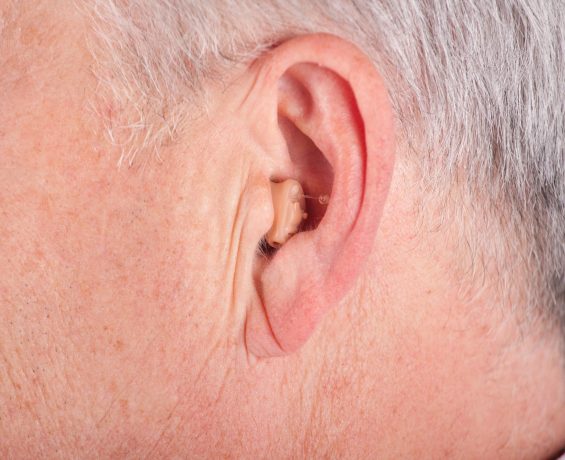
Invisible hearing aids are among the most discreet solutions available for individuals seeking to treat hearing loss without drawing attention to their devices. These compact devices sit deep inside the ear canal, providing a near-invisible appearance and a high level of convenience. Yet, because the electronics are tucked so closely to the sensitive tissues of the ear, questions often arise regarding how well these aids handle water, humidity, or sweat. This article delves into the different aspects of moisture exposure for invisible hearing aids, explaining what waterproofing and moisture-resistance mean, and offering practical strategies for ensuring your devices stay in proper working order. Whether you live in a hot climate, have an active lifestyle, or simply want peace of mind about your hearing aids, understanding this topic is crucial for lasting hearing health.
Moisture is a common culprit behind damage to electronic devices of all kinds, from smartphones to household appliances—and hearing aids are no exception. Even when hearing aids incorporate advanced coatings and protective features, water, sweat, and humidity can still pose risks if not managed carefully. This is especially relevant for invisible hearing aids, which rest within the ear canal in closer proximity to perspiration, earwax, and natural skin oils. The ear canal can be humid, and everyday activities such as workouts, outdoor walks, or routine cleaning routines can introduce more moisture. Excess moisture entering a hearing aid can jeopardize its internal circuitry, degrade performance, and even alter the device’s shape or acoustics over time.
By understanding moisture’s impact on these devices, you can more effectively guard against damage. Shielding your hearing aids from moisture is also a key part of your overall hearing health strategy. Preserving the function of your aids helps you stay connected, communicate more confidently, and enjoy life’s moments without the interruptions caused by device malfunctions.
When exploring different hearing aid options, you’ll come across terms like “waterproof,” “moisture-resistant,” and “water-resistant.” While these descriptions may sound similar, each term actually carries distinct implications. Truly waterproof items are designed to be submerged in water for a certain period without sustaining damage. Most hearing aids, especially smaller in-canal styles like invisible hearing aids, are not intended to be submerged. Instead, some may offer a water-resistant or moisture-resistant rating, which allows them to handle occasional contact with sweat or light rain.
For example, if a hearing aid is rated as IP67 or IP68 under the International Protection Marking (also known as the Ingress Protection rating), it has been tested to withstand limited contact with dust and water under certain conditions. Still, the rating typically accounts for water exposure under lab conditions and does not guarantee indefinite protection. Invisible hearing aids often do not carry the higher IP ratings that larger and more robust behind-the-ear models might have; they are simply too small and delicate for extensive waterproofing measures to be built in.
Generally, invisible hearing aids are not fully waterproof. Instead, they are usually designed with basic moisture-resistant materials, such as water-repellent coatings on the microphone and receiver or a protective seal around the battery compartment. This level of water resistance can effectively guard your device against everyday moisture exposure, like modest amounts of perspiration or slight humidity in the air.
That said, invisible hearing aids are not meant for activities like swimming or showering. Submerging your hearing aids in water—even for a quick dip at the pool—can compromise the electronics, leading to short-circuits or corrosion. The intense moisture levels from showering can also seep into the small crevices of the hearing aid, especially if water enters the ear canal. While routine humidity may not pose an immediate danger, consistently subjecting your hearing aids to high moisture environments can degrade their performance over time, potentially creating repair or replacement costs sooner than expected.
Some manufacturers do offer special designs that incorporate additional water-repellent finishes or protective membranes for the device’s key components. Nonetheless, these enhanced features should not be interpreted as providing a waterproof barrier. It’s worth reviewing the device’s user manual or consulting your registered hearing aid practitioner to clarify the exact limitations of your invisible hearing aid model. Getting the most accurate information about how well your hearing aids stand up to water can help you avoid inadvertently damaging them.
Although a quick splash here and there might not ruin your invisible hearing aids, several everyday scenarios expose these devices to more water than you might realize. Here are some typical situations to watch for:
Maintaining awareness of these everyday risks will help you develop smart habits, like removing your hearing aids before a workout if you sweat profusely or carrying a small umbrella in your bag during the rainy season. By limiting excessive water contact, you’ll prolong the working life of your hearing aids and reduce the potential for costly repairs.
Preserving the performance of invisible hearing aids goes beyond simply trying to keep them dry at all times. A well-rounded maintenance routine will help your devices stand up to everyday wear and tear, as well as incidental moisture. Below are some key tips:
By combining these strategies, you can maintain the overall functionality of your invisible hearing aids and continue improving your quality of life through better hearing, even in environments where humidity or sweat is present.
Many people enjoy active lifestyles that include gym sessions, sports, or outdoor activities, and they may wonder if it’s safe to wear invisible hearing aids while exercising. The short answer is that it depends on how much moisture you typically generate during workouts. Some individuals sweat lightly and take frequent breaks, while others may engage in vigorous activities that leave them dripping in perspiration. If your routines tend to involve heavy perspiration, you may want to remove the aids or consider additional protective measures, like specialized sweatbands designed to keep moisture away from your ears.
Even so, many invisible hearing aid users successfully wear their devices in moderate workout conditions as long as they follow proper cleaning routines afterward. If you’re unsure, consult your hearing care specialist about your specific exercise habits. They may suggest a hearing test to gauge your current hearing levels or recommend alternative styles of hearing aids better suited for your level of activity.
For individuals who live in particularly humid regions, moisture management can become an ongoing challenge. The air itself can be laden with significant water vapor, increasing the risk that your hearing aids could accumulate condensation internally. In such cases, a robust care routine is paramount. In addition to using dehumidifying storage, some people may benefit from storing silica gel packets alongside their hearing aids or adopting an electronic drying kit that gently circulates warm air. Keeping the living environment well-ventilated and using air conditioners or dehumidifiers at home can further reduce moisture exposure. This proactive approach goes a long way toward maintaining the life span of your invisible hearing aids.
It’s also crucial to know what your hearing aid warranty covers. Water damage is frequently classified as accidental damage rather than a malfunction covered by the device’s standard guarantee. Some manufacturers allow for extended coverage plans that include accidental damage, but these often come at an additional cost. Before investing in new invisible hearing aids, it’s wise to discuss coverage options with your provider so you’re aware of potential replacement or repair expenses tied to water damage incidents.
While warranties can provide peace of mind, it’s best to treat them as a safety net rather than an excuse for exposing your hearing aids to water. Adequate maintenance and prevention strategies are still your most reliable methods for ensuring the longevity of your devices.
Invisible hearing aids offer significant advantages. They’re discreet, comfortable, and capable of providing a clear sound experience that allows you to better engage with conversations, music, and daily life. Yet, like any other electronic solution, they demand attentive care to achieve maximum performance. Recognizing and respecting their moisture limitations can be an essential part of that care.
Whether you’re new to hearing aids or looking to replace an older device, remember that each style comes with its own set of care requirements. If you have more questions regarding the level of water resistance your invisible hearing aids provide, it may be helpful to talk directly with a registered hearing aid practitioner. For example, hearing aids available through reputable clinics can come in various styles, some more water-resistant than others. Exploring all your design options can help you make an informed decision that aligns with your lifestyle.
Even with careful precautions, accidents happen. If you find that your invisible hearing aids have been exposed to water, promptly remove them from your ears, gently pat them dry with a soft cloth, and place them in a dehumidifying case. Avoid using appliances like hair dryers or microwaves, as intense heat or radiation can further harm the electronics. If the device does not regain normal functioning after thoroughly drying, contact your hearing care professional for further evaluation. They may need to inspect the circuits or replace certain parts to restore the device fully.
If you frequently engage in water sports, live in extremely humid conditions, or are prone to heavy perspiration, invisible hearing aids may not be your best long-term match. Behind-the-ear models often come with sturdier water-resistant ratings and might be more suitable for your level of exposure. You could also consider slip-on covers or protective sleeves for your hearing aids, although these add bulk and may impact overall comfort and discretion.
Staying proactive about moisture management is a central part of getting the most out of your invisible hearing aids. Here is a quick summary of what you’ve learned:
Proper care of your hearing aids will not only help you preserve these valuable devices but also sustain your overall hearing health. If your invisible hearing aids do get wet or if you’re noticing performance issues, act quickly—turning to a professional for guidance can prevent further complications. Consider scheduling a comprehensive hearing test when issues arise, or if you are curious how well your current devices match your lifestyle. You can Check Your Hearing Today and gain insights into whether invisible hearing aids are still the right fit for you.
By understanding moisture risks, investing in proper care, and staying mindful of your environment, you can enjoy the subtlety and clarity of invisible hearing aids without constantly worrying about water damage. Through consistent attention and simple practices, your hearing aids can continue to provide you with clear sound and connections to the world around you, ultimately helping you stay connected and improve your quality of life for years to come.

Hearing Services