Are invisible hearing aids suitable for all ear shapes?
Frequently Asked Questions
FAQ
Are invisible hearing aids suitable for all ear shapes?
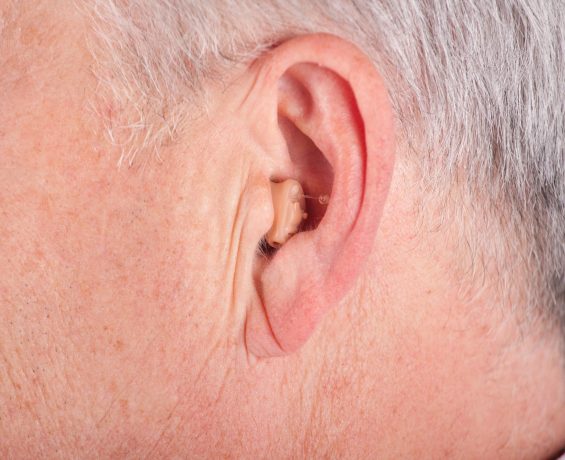
Invisible hearing aids are custom-moulded to fit the unique shape of each individual’s ear canal, but they may not be suitable for all ear shapes and sizes. Some people have ear canals that are too narrow or too short to comfortably accommodate an invisible hearing aid. In such cases, the device may not fit securely, leading to discomfort or even feedback issues. Additionally, individuals with excessive earwax production or those prone to ear infections may find invisible hearing aids unsuitable, as their deep placement can exacerbate these problems. A hearing care professional will examine the shape of your ear canal during the initial consultation to determine if invisible hearing aids are a viable option. For those whose ear anatomy doesn’t allow for an invisible hearing aid, alternative hearing aid styles such as in-the-ear (ITE) or behind-the-ear (BTE) models may be recommended.
Hearing Services
Hearing Aids
Hearing loss isn’t something to put off. Get fitted for a hearing aid and browse our selection of state-of-the-art hearing aids. Our kind and supportive staff can guide you through the process.