
Frequently Asked Questions
It may come as a surprise, but stress and anxiety often play a large role in how we experience sensations in our ears. Many people notice a feeling of fullness, pressure, or slight blockage in the ears during tense or anxious moments. Though stress does not literally plug the ear, it exerts an influence on muscles, nerves, and pressure-regulation pathways. As a result, even minor physical changes can feel amplified. In this comprehensive guide, we will delve into why stress and anxiety may cause ear pressure, how the body’s stress response can make normal sensations seem more intense, and what steps you can take to manage these feelings.
Because the mind and body are deeply interconnected, factors like tension, shallow breathing, or heightened awareness can trigger physical changes around the ears. While occasional stress-related ear pressure usually resolves once you relax, it is helpful to understand the potential mechanics behind this sensation. By learning about the underlying processes, you can take meaningful steps to reduce its impact on your day-to-day activities and overall sense of comfort.
Stress is often described as the body’s response to a perceived threat—this includes both real, external pressures and internal worries or fears. When you feel anxious, the body releases hormones like cortisol and adrenaline to prepare you for action, sometimes called the “fight-or-flight” response. Though these hormones can be life-saving in genuinely dangerous circumstances, everyday stressors can lead to chronic stress, which puts the body in a prolonged state of high alert.
In this heightened state of vigilance, muscle tension increases as part of the body’s automatic reaction to perceived threats. You might notice your shoulders hunching, your jaw clenching, or your neck tightening without consciously realizing it. The physical structures around your ears are also influenced by increased muscle tension. If you are clenching or tensing your jaw or neck muscles, it can affect how pressure is equalized in the ear via the Eustachian tube, leading you to perceive fullness, a sense of blockage, or subtle discomfort.
The middle ear relies on the Eustachian tube—a narrow tube that connects the middle ear to the back of the nose and throat—to balance internal and external air pressure. Normally, the Eustachian tube opens briefly whenever you swallow or yawn, equalizing pressure so that the eardrum can vibrate optimally.
When you are anxious or experiencing high stress levels, your breathing habits may change—becoming shallow, quick, or even erratic. Additionally, the muscles around your throat and jaw may tighten. This tension can interfere with the Eustachian tube’s delicate functioning. The result is that even subtle pressure changes, which might go unnoticed under calm circumstances, feel larger and more intrusive. This is why people under stress sometimes complain of blocked ears or mild ear pain, even though there is no physical obstruction.
Chronic stress can also increase your overall awareness of bodily sensations. In situations where you might otherwise ignore normal ear sensations—such as a brief shift in ear pressure when you move your jaw—stress can make you more vigilant about every minor feeling. This heightened perception can turn what would typically be a non-issue into a source of discomfort or worry.
For instance, if you constantly find yourself worrying about health issues, a small fluctuation in ear pressure could become magnified into a perceived blockage. This can sometimes lead to a cycle: the more you worry, the more intense the sensation becomes, which in turn amplifies your anxiety. Recognizing how stress might be fueling the experience provides the first step to interrupting this feedback loop.
Stress is a state of mental or emotional strain, but it manifests through physical pathways. Often, an anxious mind will zero in on an unusual sensation—and ear pressure is no exception. Once you feel your ears are “blocked” or “full,” it can be hard not to focus on it. As this cycle progresses, you may worry if something is wrong, your heart might start racing, and tension builds in your muscles, amplifying that initial uncomfortable sensation.
This loop can be difficult to break if you do not recognize the underlying triggers. Fortunately, stress-induced ear pressure is rarely dangerous and generally eases when you address the core stress or anxiety you are feeling. However, if discomfort in your ears persists, it is always wise to consider having a professional evaluation. This ensures any persistent hearing challenges or other ear-related conditions can be identified early and addressed effectively.
Another ear sensation closely linked with stress is tinnitus—often recognized as a ringing, buzzing, or humming in the ears. Though tinnitus has a variety of causes, anxiety and stress are known to worsen tinnitus symptoms. When feeling tense, the brain’s perception of these sounds can intensify, seeming louder or more frequent. This can cause a compounding issue where stress amplifies ear sensations, which fuels further anxiety in response to the unwanted noise.
While stress itself does not permanently damage the hearing system, the heightened perception of tinnitus can be distressing. Small coping strategies, like taking controlled breaths or learning mindful relaxation techniques, often help reduce the level of stress you feel. As your body relaxes, your focus on the slightly aggravated tinnitus tends to diminish, helping you find a calmer, more balanced perspective.
For anyone concerned about the possibility of tinnitus, there are resources to explore within a hearing clinic or a trusted source. According to stress is known to worsen tinnitus symptoms. Monitoring the situations or times when tinnitus or ear pressure feels most intense can be a proactive approach in managing these challenges.
Mental or emotional stress is just one piece of the puzzle. Everyday habits can also contribute to or worsen feelings of fullness or pressure in the ear. Here are some factors to be aware of:
Even if tests show there is no blockage, stress-related ear fullness can feel unmistakably real. Muscle tension and changes in how your Eustachian tube opens and closes not only create sensations that mimic actual congestion, but they also make you more conscious of subtleties in your body. When these signals reach a stressed brain, they may be interpreted as concerning or urgent.
If you recognize that life’s pressures might be contributing to your discomfort, focusing on techniques that mitigate stress can have a direct impact on your ear fullness. Taking small, gentle approaches to de-escalate tension—slowing your breathing, meditating, or doing a simple neck stretch—can help restore a sense of balance and reduce how often you notice these sensations.
As ear fullness or pressure are often described by those who are anxious, remember that it usually fluctuates and may improve during moments of relaxation or while you sleep. In healthy ears, there is no actual congestion. Instead, the perception of fullness tends to rise and fall alongside your stress levels. This is why you might notice these ear symptoms diminish when you take a break from stressors or indulge in activities that calm both body and mind.
To help alleviate ear pressure tied to stress or anxiety, it is useful to explore both physical and mental techniques:
Often, stress-induced ear pressure is transient. However, if you find that these sensations persist, grow more intense, or come accompanied by more serious symptoms—like hearing loss, persistent pain, or dizziness—it is wise to consult a hearing care professional. While stress is one plausible cause, it is essential to rule out any underlying medical issues that could be contributing to ear pressure. Issues like sinus congestion, ear infections, or other internal factors could also be at play.
In many cases, an evaluation can provide peace of mind, especially if you have been feeling concerned about the possibility of hearing loss. If you are located in or near Edmonton, you might consider scheduling a hearing test to ensure everything is functioning optimally. Certain hearing clinics employ registered hearing aid practitioners who can offer guidance. If hearing problems are detected, they can recommend solutions that fit your lifestyle. For individuals aged 55 and older, many clinics offer free or discounted hearing tests, making it simple to take that proactive step.
Recognizing the connection between mental and physical health is one of the best gifts you can give yourself. Taking active measures to look after your mental well-being can relieve a significant portion of the discomfort in your ears. Here are some more targeted strategies you could experiment with for more comprehensive relief:
We often think of ear problems as a purely physical issue. Yet in many cases, your mental state heavily shapes how you perceive and respond to everyday sensations. Stress, anxiety, and ear pressure are intrinsically linked through the body’s delicate network of muscles, nerves, and pressure systems. By acknowledging and addressing the role of stress, you empower yourself to better understand what is happening inside your body. Instead of focusing solely on the discomfort, you can turn inward to explore ways of managing the underlying emotional triggers.
Throughout this process, empathy for your own experiences is key. It is natural to feel frustrated by persistent ear fullness or worry it might signal something more serious. Yet often, the most direct path to relief involves listening closely to your body and gradually changing how you handle stress. Though no single strategy will work instantly for everyone, a combination of physical relaxation, mental self-care, and professional input—when necessary—can help you regain comfort and peace of mind.
If you are consistently noticing ongoing stress-related ear pressure, you may want to look more deeply into your hearing health. Comprehensive tests can confirm that everything is functioning correctly and let you address minor concerns early on. Some clinics, offering a range of services such as hearing aids or specialized ear protection, prioritize accessible and reassuring environments where you can feel comfortable sharing your concerns.
Always remember that ear pressure or a sensation of fullness is often more about how stress manifests in the body than a reflection of significant hearing damage. By staying proactive—building healthy routines, practicing relaxation, and talking to healthcare professionals when you need to—you can manage or even prevent stress-related ear discomfort. Ultimately, the goal is to balance the mind and body in a way that supports your overall well-being, allowing you to focus on the moments that matter most.
The ear is a sensitive organ, attuned to even slight changes, particularly during times of emotional strain. Recognizing the probable causes and knowing when to seek professional input can substantially ease your worries. In most cases, consistent self-care and stress management techniques go a long way toward reducing the frequency and intensity of ear pressure symptoms. A deeper understanding of this mind-body link can empower you to navigate anxiety in a healthier, gentler manner—helping your ears, and the rest of your body, feel more at ease.
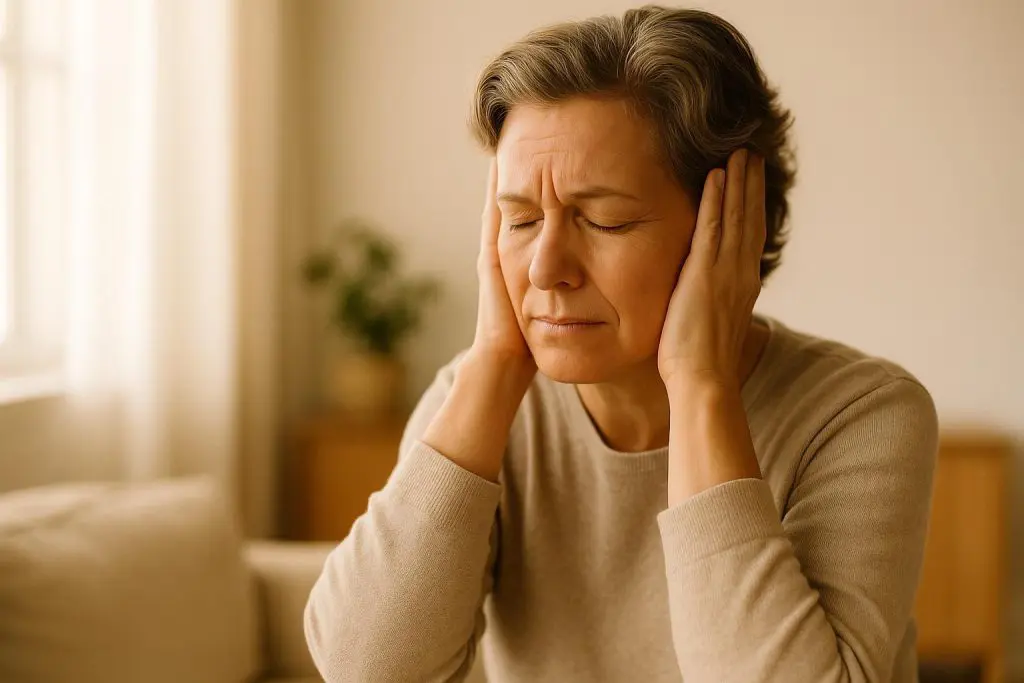
Stress and anxiety can increase muscle tension and sensitivity, which may worsen ear pressure or fullness. These symptoms are real, even when no blockage is present.
Managing stress may reduce symptom intensity, but persistent ear pressure should still be evaluated to rule out physical causes. Identifying all contributing factors supports better comfort and reassurance.

Hearing Services