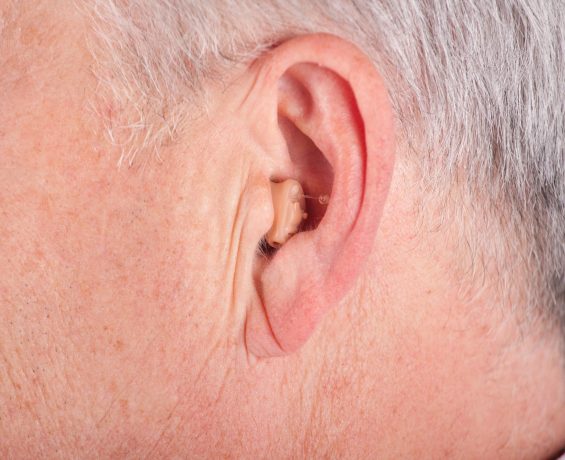
Hearing aid batteries are a recurring expense that you will encounter when you rely on hearing aids to stay connected to the world around you. Although it might seem like a humble detail within the bigger picture of hearing healthcare, understanding your battery options can help you manage costs more effectively in the long run. This guide explores the different types of hearing aid batteries, price ranges, factors that determine those ranges, and strategies for saving money. We will also discuss the importance of consistent performance, common misconceptions about battery life, and when to consider rechargeable options. By the end, you should feel more confident making informed battery choices that suit your budget and your hearing needs.
For many people, hearing aids are essential companions for daily life. They help you follow conversations, enjoy music, and stay engaged in social situations. Because electronically powered devices require reliable energy sources, battery considerations can impact both your finances and your overall satisfaction with your hearing aids. If batteries drain too quickly, or if you opt for low-quality brands, you may find yourself juggling sudden interruptions to your hearing experience. Conversely, investing in a battery solution that fits your lifestyle can offer convenience and peace of mind, allowing you to focus on staying connected rather than constantly thinking about replacements.
There are two primary categories of hearing aid batteries: disposable zinc-air batteries and rechargeable batteries. Before we dive into cost details, it helps to understand the differences in how these power sources operate and how long they usually last.
Disposable zinc-air batteries are sold in packs. Each pack can contain anywhere from four to 16 batteries (or more). Costs per battery can vary between approximately $0.25 to $1.00, depending on the brand and retailer. Smaller battery sizes, such as size 10, typically last fewer days, meaning you’ll need to replace them more often. Here’s a more detailed breakdown of what you might pay:
Generally, zinc-air batteries have gotten more affordable over time, especially with bulk-buy options online or through hearing clinics that offer membership or loyalty discounts. High-quality disposable batteries tend to hold power more consistently, so it’s wise to invest in reputable brands to avoid performance dips that interrupt your day.
Rechargeable hearing aids come with a built-in power cell designed to last multiple years. In many cases, these are lithium-ion batteries that can provide a full day’s charge—often 24 hours or more—depending on how frequently you stream content or use additional features, like tinnitus masking.
While the up-front costs of rechargeable hearing aids are often higher, you do save money over time by avoiding steady purchases of disposable batteries. This convenience factor—placing your hearing aids in a charger at night instead of replacing batteries weekly—can also reduce day-to-day hassles.

Beyond the raw cost per battery, several elements can influence what you pay for hearing aid batteries:
You can purchase hearing aid batteries at a variety of places:
Ultimately, the best source for you depends on whether you value getting the lowest possible price or want the convenience of professional guidance. Many users find that building a relationship with a hearing professional can save them money over the long term, especially if the clinic offers special promotions or free routine checks on your devices.
When it comes to hearing aid batteries, consistency matters. You can find cheaper options in local stores or online, but quality varies significantly. If a lower-end battery leads to unreliable performance, you might have to replace it more often or risk your hearing aid powering down at an inconvenient moment. High-quality batteries generally hold a stable voltage for the duration of their life, ensuring you experience fewer disruptions.
For those who rely on hearing aids all day, daily disruptions can be frustrating and can hamper your ability to communicate clearly. Choosing a battery that has a reputation for reliability can be worth the few extra cents per battery, especially if your hearing demands are extensive—for example, if you regularly attach streaming devices or use advanced features that consume extra power.
When deciding between disposable and rechargeable batteries, consider your lifestyle, budget, and preference for convenience. The main factors that might guide your decision include:
If you decide on rechargeable hearing aids, talk with your hearing care professional about how often you’ll need service and whether that might include battery replacement at certain intervals. Be sure to weigh the convenience factor against the increased initial cost.
Whether you use disposable or rechargeable batteries, there are ways to maximize performance:
Many new and longtime hearing aid users have questions about battery performance. Here are a few clarifications:
If you notice that your batteries are consistently underperforming—or that your hearing aid drains power unusually fast—consult with a registered hearing aid practitioner. They can check if there is an issue with the device itself, such as a faulty circuit or a programming setting that is causing higher battery draw. A hearing care professional can also guide you toward ways to improve battery life.
At Melody Hearing Clinic, we understand that budgeting for hearing aids goes beyond just the cost of the devices themselves. We frequently help patients address ongoing concerns like battery expenses, maintenance, and the evaluation of alternative technologies, including rechargeable options. Balancing convenience, performance, and cost is key to a comfortable and confidence-boosting hearing experience.
Choosing the right hearing aid battery is just one part of caring for your hearing health. If you’re also exploring new hearing aids or want to assess your current level of hearing, you might find it helpful to learn about our Hearing Aids options. You can also check out our Hearing Test service if you want a comprehensive evaluation. We believe in proactive, convenient, and patient-first care, so we encourage you to take early steps in identifying any hearing concerns.
While the cost of hearing aid batteries can add up over time, having a clear understanding of your options helps you make smart decisions. Disposable zinc-air batteries offer flexibility and are widely available at various price points. Rechargeable batteries bring convenience and potentially long-term savings—specifically if you value the day-to-day ease of dropping your hearing aids in a charging station instead of swapping batteries weekly. Remember to weigh factors such as initial investment, ongoing maintenance, manual dexterity, and your personal preference for routine tasks.
In addition, guarding against unnecessary waste by purchasing reliable, trusted brands will help you avoid the pitfalls of frequent replacements or sudden device shutdowns. Whether you are on a tight budget or simply appreciate peace of mind, the right battery strategy can empower you to stay focused on the moments that matter. There’s no single “best” solution; the right choice is the one that meets your functional, lifestyle, and financial requirements.
As you explore different hearing aid batteries or consider upgrading to rechargeable technology, don’t hesitate to consult a hearing care professional for individualized advice. They can guide you through the pros and cons, address common pitfalls, and help you find the best balance for your hearing needs. With the right approach, you’ll keep your hearing aids running smoothly without letting battery worries hinder your enjoyment of clearer, more connected living.