At Melody Hearing Clinic, we recognize the profound impact that hearing loss can have on individuals and their families. Our commitment goes beyond enhancing hearing; we focus on preserving your auditory health to prevent future hearing loss. Daily noise exposure, even from seemingly harmless sources, can accumulate over time and damage your hearing.
Our dedicated team of registered hearing aid practitioners understands the emotional and practical challenges associated with hearing loss. We offer a range of premium hearing protection solutions designed to provide both comfort and effectiveness. These solutions integrate advanced technology with user-friendly designs to ensure your ears are well-protected in various environments, from noisy workplaces to recreational activities.
We are here to support you in maintaining your hearing health. Melody Hearing Clinic is dedicated to providing the best protection available, enabling you to participate in your daily activities without concern for your auditory health. Our superior hearing protection solutions are tailored to meet your unique needs, offering peace of mind and safeguarding your hearing for the future.

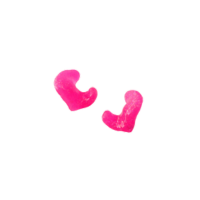
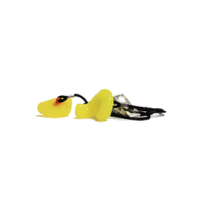
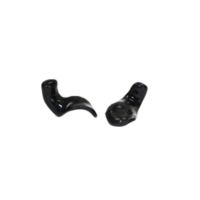
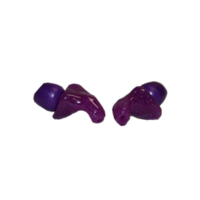
SoundGear is a complete line of 100% digital products that both enhance environmental awareness while also instantly and automatically protecting your ears from loud noises like gun blasts, engines or industrial equipment and tools. Available in three styles, SoundGear represents the latest advancements in electronic hearing protection. Talk to your hearing care professional to find out if you could benefit from SoundGear.


FAQ
Yes, noise exposure can affect mental health over time. Ongoing exposure to loud or constant noise can increase stress levels and make it harder for the body and brain to relax. This may lead to irritability, anxiety, and difficulty concentrating, especially when noise exposure is frequent.
Noise-related hearing changes can also contribute to emotional strain. When hearing becomes less clear, conversations require more effort. This can cause frustration, listening fatigue, and withdrawal from social situations. Over time, these challenges may affect confidence and overall well-being.
People with noise-related symptoms such as tinnitus may feel especially affected. Constant ringing or buzzing in the ears can be distressing and interfere with focus, relaxation, and sleep. These ongoing symptoms can increase emotional stress and reduce quality of life.
Noise exposure may also worsen existing mental health concerns. Poor sleep, increased fatigue, and communication difficulties can combine to create ongoing emotional strain. When these issues are left unaddressed, their impact often grows.
Reducing noise exposure and addressing hearing symptoms early can help support both hearing health and mental well-being. Hearing care plays an important role in overall health.
Noise is often seen as a hearing issue, but its effects extend beyond the ears.
Yes, noise exposure can cause ear fullness or pressure. This sensation is often described as the ears feeling blocked, tight, or clogged. It may occur after exposure to loud sounds and can affect one or both ears. Ear fullness does not always involve pain, but it can be uncomfortable and concerning.
Loud noise can stress the inner ear and surrounding structures, leading to temporary changes in how sound and pressure are processed. This may result in a feeling of pressure or fullness, even when there is no physical blockage. In some cases, the sensation appears alongside muffled hearing or ringing in the ears.
Sudden loud noise can also affect the eardrum or middle ear, contributing to pressure changes. Repeated noise exposure may cause inflammation or irritation within the ear, making the sensation more noticeable over time. Ear fullness may come and go or persist for several days.
For some people, ear fullness is an early sign of noise-related hearing stress. It may indicate that the auditory system needs time to recover. If the sensation does not improve or worsens, it may be linked to inner ear changes rather than simple congestion.
Noise exposure may also trigger other symptoms at the same time, such as muffled hearing or balance changes. These combinations can suggest deeper inner ear involvement and should be evaluated by a hearing professional.
Ongoing ear fullness can signal stress or injury within the ear, even without pain.
Long exposure noise reduction refers to steps taken to lower the impact of ongoing or repeated noise exposure over time. Instead of focusing on a single loud event, this approach addresses everyday or workplace noise that builds up and affects hearing gradually.
Noise reduction can involve changing the environment, changing behavior, or using protective equipment. In work settings, this may include quieter machinery, sound barriers, or limiting time spent in noisy areas. In daily life, it can mean lowering headphone volume, choosing quieter appliances, or avoiding constant background noise.
Personal hearing protection plays a major role in long exposure noise reduction. Earplugs, earmuffs, and custom hearing protection reduce the amount of sound reaching the inner ear. Consistent use is especially important for people who are regularly exposed to noise through work or hobbies.
Noise reduction also includes giving the ears time to recover. Quiet breaks between noise exposure help reduce stress on the auditory system. Without recovery time, the risk of long-term hearing damage increases.
People who experience symptoms such as listening fatigue or difficulty understanding speech may already be affected by long-term noise exposure. Listening fatigue is often linked to ongoing hearing stress.
Long exposure noise reduction focuses on prevention, not repair. Once hearing damage occurs, it cannot be reversed.
Avoiding all noise is unrealistic. Reducing exposure over time is the most practical way to protect hearing.
Noise exposure limits are set by health and safety organizations to reduce the risk of hearing damage and other health effects. These limits are based on research showing how sound levels affect hearing over time. Different organizations create guidelines for workplaces, public spaces, and everyday environments.
The World Health Organization (WHO) provides guidance on safe noise levels to protect public health. These guidelines focus not only on hearing loss, but also on sleep disturbance, stress, and overall well-being. The WHO recommends lower noise levels for long-term exposure, especially in homes, schools, and community settings.
Workplace noise limits are often set by national safety agencies and are designed to protect workers exposed to noise for many hours each day. These limits define when employers must take action, such as providing hearing protection, reducing noise levels, or monitoring employee hearing.
Even when noise exposure follows official limits, some people may still experience symptoms. Individual sensitivity varies, and repeated exposure over years can still affect hearing. Early signs may include listening fatigue or difficulty hearing in noisy environments.
Noise exposure limits are meant to reduce risk, not guarantee zero damage. Personal habits, hobbies, and cumulative exposure outside of work also play an important role in hearing health.
Exposure limits help set safety standards and raise awareness, even though individual risk can vary.
The noise exposure limit is the maximum level of sound a person can be around without a high risk of hearing damage. These limits are based on how loud the sound is and how long exposure lasts. In general, sounds below 70 decibels are considered safe, even for long periods. Once noise reaches 85 decibels or higher, the risk of hearing damage increases with time.
At 85 decibels, hearing damage can begin after about eight hours of exposure. As sound levels increase, safe exposure time drops quickly. Very loud sounds such as concerts, machinery, or sirens can cause hearing damage in minutes. Extremely loud sounds can cause immediate injury to the inner ear.
Noise exposure limits are used in workplaces, public health guidelines, and hearing safety recommendations. These limits help reduce the risk of permanent hearing loss caused by repeated or prolonged noise exposure. When exposure goes beyond these limits, hearing protection is recommended.
Exceeding noise exposure limits can lead to symptoms such as ringing in the ears, muffled hearing, and difficulty understanding speech. These are common signs of early hearing damage. Difficulty hearing in noisy environments often appears first.
Understanding noise exposure limits helps people recognize risk and make safer choices in daily life, work, and recreational settings.
Noise exposure limits are designed to prevent permanent hearing damage before symptoms appear.
Protecting your ears from loud noise is one of the best ways to prevent hearing damage. The most effective step is to reduce how loud sounds are and how long you are exposed to them. Lowering volume levels, taking listening breaks, and moving away from loud sound sources can significantly reduce risk.
Using hearing protection is especially important in loud environments. Earplugs and earmuffs reduce the amount of sound that reaches the inner ear. They are helpful at concerts, sporting events, work sites, and when using power tools or loud equipment. Custom hearing protection can offer comfort and better sound reduction for regular use.
Limiting headphone and earbud volume is another key step. A good rule is to keep volume low enough that you can still hear what is happening around you. Long listening sessions should be broken up with quiet breaks to give your ears time to recover.
Being aware of early warning signs also helps protect hearing. Ringing in the ears, muffled hearing, or listening fatigue may mean your ears are under stress. Muffled hearing is a common sign that noise levels may be too high.
Protecting hearing early can prevent permanent damage and support long-term hearing health.
Once hearing damage occurs, it cannot be reversed. Prevention is the most effective protection.