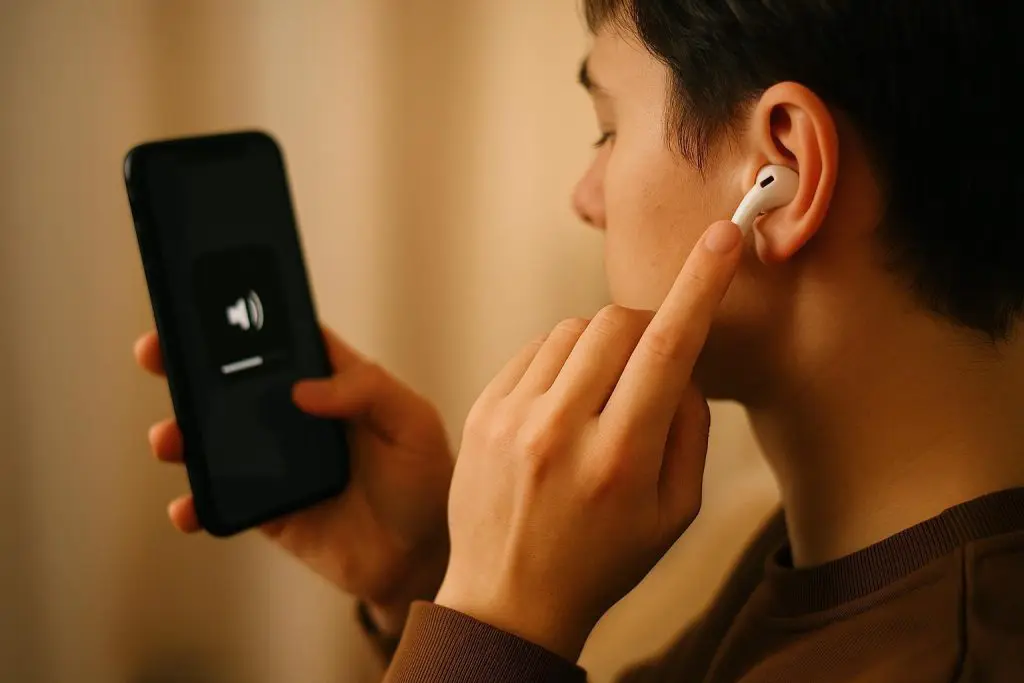
The 60-60 rule is a simple yet powerful guideline designed to help you preserve your hearing in a world filled with audio devices and streaming services. It states that you should listen to music or other audio at no more than 60% of the maximum volume for a maximum of 60 minutes at a time. By following this practice consistently, you can reduce the risk of noise-induced hearing loss, which remains one of the most common types of hearing impairment across all age groups.
Your hearing directly influences your ability to stay connected to the world around you, from following conversations with loved ones to enjoying your favorite music or podcasts. Noise-induced hearing loss can occur gradually, making it easy to miss early warning signs. Many people only notice difficulties when it becomes challenging to follow conversation in noisy places or when words sound muffled.
Because healthy hearing contributes greatly to an overall improved quality of life, taking steps to protect your ears is critical. Early action, such as implementing strategies like the 60-60 rule, can help minimize potential long-term damage. Even if you do not experience any immediate symptoms, it pays to be mindful of how lengthy or loud your listening sessions can get.
While it sounds straightforward—60% volume for 60 minutes—a few practical questions often arise regarding how to implement this rule effectively:

Noise-induced hearing loss (NIHL) happens when the tiny hair cells of the cochlea in your inner ear suffer damage due to excessive noise exposure. This damage can develop gradually over time or happen suddenly from an intensely loud burst of sound. In many cases, it is permanent, which is why preventive measures like the 60-60 rule hold such value.
Common causes of NIHL include live concerts, industrial noise, power tools, or simply listening to your favorite songs with the volume cranked up. Individual susceptibility varies, but repeated exposure to unsafe volume levels substantially increases your risk. Some people also experience tinnitus—a persistent ringing or buzzing sound—after loud noise exposure, further highlighting the importance of safe-listening habits.
Regular hearing checks can be one of the best ways to stay alert to changes in your hearing health. Even if you feel your hearing is fine, subtle shifts can build up over time. If you have ever noticed ear ringing after using headphones, found yourself turning up the TV volume more than usual, or leaning in to catch words in busy cafés, it might be time for a thorough evaluation.
If you are unsure where to begin, consider scheduling a comprehensive hearing test at a trusted hearing clinic in your area. You can gain clarity on your hearing baseline and get advice on preventative strategies. Many reputable clinics offer free hearing evaluations for individuals aged 55 and older, which can be an easy first step toward better hearing health.
Music lovers often wonder whether implementing safety measures like the 60-60 rule will reduce their overall enjoyment. The truth is, good headphones and earphones can deliver excellent audio quality at moderate volumes. Here are some tips for striking the right balance:
Music is meant to be enjoyed—just remember that a slight volume reduction will not diminish your overall listening experience but can significantly protect your long-term hearing.
Age-related hearing loss, also known as presbycusis, takes place gradually and is a natural aspect of getting older. However, long-term exposure to loud noises can accelerate or worsen the problem, leading to more pronounced difficulties communicating or socializing. This interaction between noise-induced and age-related hearing changes is why it is vital to build good habits early.
Many older adults wish they had adopted protective measures sooner. The 60-60 rule is only one method to preserve hearing, but it consistently appears in professional recommendations because it is easy to follow. If you combine it with routine hearing evaluations and wearing hearing protection in noisy environments, you can significantly lower your long-term risk of damage.
Shifting everyday habits to preserve your hearing can be straightforward, and small changes can make a world of difference. Consider these practical pointers:
Maybe you have noticed that words are getting harder to make out, or you struggle to follow quick conversations. If so, implementing the 60-60 rule now might still help slow further damage. Beyond that, speak with a registered hearing aid practitioner about your worries. They can help you determine if you have underlying hearing issues and offer strategies to stay connected.
Depending on your situation, assistive devices or hearing aids might be beneficial. Hearing aids today are more discreet and technologically advanced than ever, making it easier to maintain an active, social lifestyle. With professional fitting and aftercare, many people experience renewed clarity and overall quality of life.
Although the 60-60 rule primarily addresses safe listening when using earbuds or headphones, you can put other protective measures in place to safeguard against noise-induced hearing loss in everyday scenarios. These include:
If you have questions or concerns about how your daily audio habits might be impacting your hearing, contacting a hearing care professional can give you greater clarity. These experts often help in evaluating your current hearing levels, teaching safe practices, and guiding you toward effective protective strategies.
At your appointment, you might learn about customized hearing protection solutions, such as special earplugs designed for musicians or frequent concertgoers. If you live in a city with heavy traffic or you have a noisy job, customizing your protective gear can be one of the best things you do for your long-term hearing health.
While the 60-60 rule is a great starting point, hearing health works best when approached holistically:
When it comes to hearing, early detection is key to sustaining clarity and connection. The moment you suspect changes in your ability to hear, whether from consistent exposure to loud devices, longstanding issues with background noise, or a sudden onset of difficulties, is the moment to seek help. By combining early interventions with practical strategies like the 60-60 rule, you can maintain confidence in your daily interactions.
For individuals or families looking to be extra proactive, scheduling a hearing screening can be a great preventative measure. Hearing tests are non-invasive, providing invaluable insights into your hearing threshold. Catching shifts sooner gives you more flexibility in how you handle them.
At first glance, it might seem like a hassle to monitor decibels here or keep track of listening time there. However, the payoff becomes evident as time goes on. By avoiding unnecessary exposure to loud volumes, you reduce the likelihood of hearing devices (like hearing aids) becoming a requirement later in life.
For older adults, safe listening practices can help preserve residual hearing function, making day-to-day conversations more enjoyable. For younger listeners, developing these habits can translate into years of healthy hearing and minimum interruption to social or professional life.
Ultimately, incorporating the 60-60 rule into your daily routine is about balance and common sense. You can still love cranking up your favorite tunes—just not for hours on end at top volume. By managing volume settings and listening duration, you get to savor your music and entertainment without paying a steep price later.
Here is a helpful summary to guide you:
Protecting your hearing is a lifelong effort. By introducing strategies like the 60-60 rule and seeking professional care when necessary, you can sustain better hearing throughout life’s stages. If you are ever in doubt, scheduling a hearing test can shed light on your current hearing status and help reinforce your efforts at prevention. After all, ear health is not just about avoiding damage—it is about enjoying a richer sensory experience every single day.
Whether you are worried about noise-induced hearing loss or simply aiming to maintain your hearing as you age, the 60-60 rule can be an incredibly easy step in the right direction. It does not require fancy equipment or abrupt changes; it just requires a bit of discipline, a commitment to periodic breaks, and a genuine desire to safeguard the sounds that matter most. By following this rule and staying mindful of other hearing safety tips, you can keep your ears in good shape, ensuring a clearer, more connected life for years to come.