
Frequently Asked Questions
Hearing aids come in several styles, and each type is designed to help people with different levels of hearing loss and lifestyle needs. Some hearing aids sit behind the ear, while others fit partly or fully inside the ear canal. The best option depends on factors such as the severity of hearing loss, comfort preferences, and how discreet the device needs to be.
Modern hearing aids also include advanced technology that improves sound clarity and communication. Many devices offer features such as Bluetooth connectivity, noise reduction, and directional microphones that help you hear conversations more clearly in busy environments. If you are unsure which type is right for you, starting with a professional hearing test can help identify the level and type of hearing loss before choosing a device.
There are several main hearing aid styles available today. Each design offers different benefits depending on hearing needs and comfort.
Behind-the-Ear (BTE) hearing aids sit behind the ear and connect to an earpiece placed inside the ear canal through a small tube. These devices are powerful and reliable, making them suitable for people with mild to profound hearing loss. Because they are slightly larger than other styles, they often include more advanced features and longer battery life.
Receiver-in-Canal (RIC) hearing aids are similar to BTE devices but use a thin wire instead of a tube. The receiver sits inside the ear canal, while the main component rests behind the ear. This design allows for natural sound quality and reduces feedback. RIC hearing aids are one of the most popular options and work well for mild to severe hearing loss.
In-the-Ear (ITE) hearing aids are custom made to fit inside the outer ear. They are larger than canal styles, which makes them easier to handle and adjust. Many ITE models include features such as volume controls and directional microphones. They are typically suitable for mild to severe hearing loss.
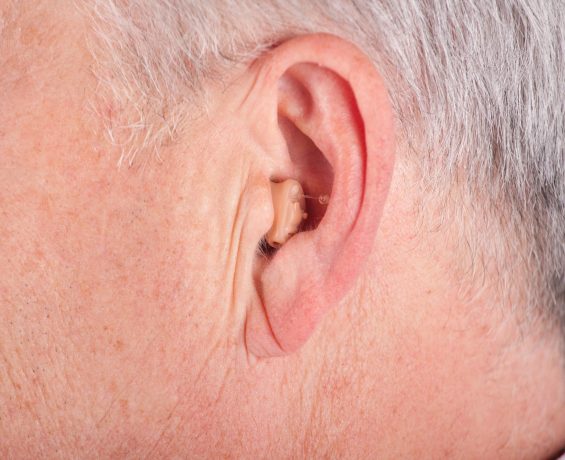
In-the-Canal (ITC), Completely-in-Canal (CIC), and Invisible-in-Canal (IIC) hearing aids are smaller devices that sit partly or deeply inside the ear canal. These styles are known for their discreet appearance. They are usually recommended for mild to moderate hearing loss because their small size limits battery capacity and certain advanced features.
Each hearing aid type balances size, power, and functionality differently. This is why a proper hearing assessment is important before selecting the most suitable device.
Choosing the right hearing aid depends on your hearing needs, lifestyle, and personal preferences. People who spend time in noisy environments may benefit from devices with stronger noise reduction and speech enhancement. Others may prefer smaller devices that are less visible.
A registered hearing aid practitioner can evaluate your hearing results and recommend the most appropriate device for your situation. Modern hearing aids can be programmed and adjusted to match your unique hearing profile, helping you hear speech more clearly in everyday environments.
Protecting your hearing is also important for long-term ear health. Using proper hearing protection in loud environments can help prevent further hearing damage.
At Melody Audiology, our registered hearing aid practitioners help patients understand their hearing health and choose the right hearing solutions. We provide comprehensive hearing evaluations, personalized device recommendations, and ongoing support to ensure your hearing aids perform well in daily life.
From your initial hearing test to fitting and follow-up care, our goal is to help you hear clearly and stay connected to the people and experiences that matter most.
Choosing the right hearing aid often depends on how severe your hearing loss is and how you plan to use the device in everyday life. While several styles are available, certain types tend to work better for specific hearing needs and lifestyles.
Behind-the-Ear (BTE) hearing aids are often recommended for people with moderate to profound hearing loss. These devices provide strong amplification and are known for their reliability. Because they sit behind the ear, they can house larger batteries and more advanced technology. This makes them a good choice for people who want features such as Bluetooth streaming for phones, televisions, or other devices. BTE models are also easier to handle and maintain compared with smaller hearing aids.
Receiver-in-Canal (RIC) hearing aids are one of the most widely used options today. They are suitable for mild to severe hearing loss and provide clear, natural sound quality. The receiver sits inside the ear canal while the main component rests behind the ear, connected by a thin wire. This design helps reduce feedback and improves sound clarity, especially in environments where background noise is present.
In-the-Ear (ITE) hearing aids are custom devices that fit inside the outer ear. Because they are slightly larger than canal-style hearing aids, they are easier to insert and adjust. This makes them a practical option for individuals who prefer simple handling or have limited dexterity. Many ITE models also allow space for additional features such as manual volume controls or directional microphones.
Completely-in-Canal (CIC) and Invisible-in-Canal (IIC) hearing aids are designed to sit deep inside the ear canal, making them very discreet. These styles are often chosen by people who want their hearing aids to be less visible. They typically work best for mild to moderate hearing loss. Due to their small size, however, they may have fewer onboard controls and shorter battery life compared with larger styles.
In-the-Canal (ITC) and Half Shell (HS) hearing aids provide a middle ground between small canal devices and larger in-ear styles. They offer a compact design while still allowing room for useful features and amplification. These hearing aids are often recommended for people with mild to moderately severe hearing loss who want a balance between discreet appearance and device performance.
Selecting a hearing aid involves more than just choosing a style. Several factors can influence which device will work best for your hearing and daily routine.
The degree of hearing loss is one of the most important considerations. More powerful devices may be required for moderate or severe hearing loss, while smaller models may work well for mild hearing difficulties.
Your lifestyle and listening environments also play an important role. People who frequently attend social events, work in busy environments, or spend time outdoors may benefit from hearing aids that include stronger noise reduction and speech enhancement features.
Manual dexterity and ease of use should also be considered. Smaller devices can sometimes be more difficult to insert, remove, or adjust. Larger hearing aids may be easier to manage for individuals who prefer simple controls or rechargeable batteries.
Finally, technology preferences can influence the best choice. Many modern hearing aids include wireless connectivity, smartphone controls, and rechargeable options. Choosing a device with the right technology can make everyday listening more comfortable and convenient.
Because hearing loss and listening needs vary from person to person, professional guidance can make the selection process much easier. A registered hearing aid practitioner can review your hearing test results, explain the available options, and recommend hearing aids that match your hearing profile and lifestyle.
They can also program and adjust the device to ensure it delivers clear sound and performs well in different listening environments. With the right support and proper fitting, hearing aids can significantly improve communication, confidence, and overall quality of life.
Hearing Services