
How do I know when to change my hearing aid batteries?

Frequently Asked Questions

FAQ

How do I know when to change my hearing aid batteries?

How to Recognize When It’s Time to Change Your Hearing Aid Batteries

Ensuring your hearing aids have a consistent power supply is an integral part of maintaining your overall hearing health. Batteries power the technology that connects you to crisp, clear sound, helping you communicate and engage with the world. When you understand the signs that your hearing aid batteries are weakening, you can take action quickly and efficiently to preserve better hearing and avoid frustrating interruptions.

In this comprehensive guide, we’ll explore the vital role batteries play, the key warnings that indicate it’s time for a change, and practical tips for using both disposable and rechargeable batteries. Whether you’re a new hearing aid user or someone who has worn hearing aids for years, a few extra minutes spent learning about battery care can enhance the functionality and longevity of your devices.

Below, you’ll find a detailed walkthrough of the most common signals that your hearing aid batteries are running low, recommendations for prolonging battery life, and additional insights about how to manage your hearing aid power needs. We’ll discuss real-life scenarios, address frequently asked questions, and highlight ways to ensure you always have consistent, clear sound. Let’s get started!

Why Battery Health Matters for Your Hearing Devices

When your hearing aids have a stable and reliable power source, you’ll benefit from:

  • Clear Sound: A fresh or sufficiently charged battery delivers the power your device needs to process sound accurately. This results in improved clarity and better hearing in various environments.
  • Increased Reliability: Strong batteries help prevent abrupt shutoffs. Nothing is more distracting or inconvenient than needing to pause a conversation because your hearing aids have lost power.
  • Consistent Performance: Good battery health maintains consistent amplification, ensuring that your hearing aids don’t fluctuate in volume or quality.
  • Confidence and Freedom: Knowing your devices have sufficient power allows you to feel more secure at social events or in public, helping you stay connected with loved ones and enjoy your daily activities.

Keeping your hearing aids well-powered is a simple way to stay connected and cultivate better hearing every day.

Common Signs It’s Time to Change Your Hearing Aid Batteries

Different hearing aid models offer distinct ways of letting you know when their batteries are running low. In all cases, you’ll want to replace or recharge your batteries as soon as you notice any deviations in sound or functionality. Below are some key indications to watch for:

  • Low Battery Warning: Modern hearing aids often have audible alerts such as beeps, voice prompts, or tones that let you know your battery is dwindling. These warnings are typically designed to give you enough lead time to secure a new battery or find a charger.
  • Decreased Sound Quality: If sounds become softer, muffled, distorted, or cut in and out, you might be dealing with a weak battery. Even if your hearing aids function to some degree, subpar sound is your clue to prepare a battery change or recharge soon.
  • Intermittent Operation: Abrupt shutoffs followed by spontaneous restarts can be a clear sign of waning power. When the battery reaches a critically low level, your hearing aids might simply switch off and on without warning.
  • No Sound at All: This most obvious signal indicates your batteries are likely fully depleted. Once your hearing aids are silent, installing fresh batteries or recharging becomes essential.
  • Battery Testing or Apps: Disposable batteries can be checked with a battery tester. Many rechargeable models include built-in battery-level indicators, or you may use companion apps on your smartphone to monitor your hearing aids’ charge status in real time.

Staying aware of these signals will help you stay ahead of sudden interruptions, allowing you to enjoy clear sound and consistent hearing performance.

How Often Will You Need to Change or Recharge Your Batteries?

The lifespan of a hearing aid battery depends on various factors, including the type of hearing aid you have, your daily usage hours, the power requirements of the device, and the size of the battery. Below is a rough outline of how frequently you might change or recharge:

  • Disposable Zinc-Air Batteries: These are the small button cell batteries that come in color-coded packaging (sizes 10, 312, 13, and 675). Depending on the model and your volume settings, these might last anywhere from three to twelve days.
  • Rechargeable Batteries: Lithium-ion rechargeable hearing aid batteries typically last an entire day on a full charge. You will usually charge them overnight. Some rechargeable devices may also come with portable charging cases, making it convenient to top up your battery when you’re on the go.

The best way to know your exact battery schedule is through daily observation and leveraging your hearing aid’s built-in battery indicators or testing accessories. Regularly checking your batteries will prevent unexpected outages and help you maintain a seamless listening experience.

Tips to Prolong the Life of Hearing Aid Batteries

Many hearing aid users are interested in preserving the efficiency of their batteries. Younger and older adults alike want to optimize both convenience and cost savings. Here are some practical strategies for extending battery life:

  • Store Batteries in a Cool, Dry Place: Extreme temperatures and humidity can reduce battery lifespan. Keep unused batteries at room temperature, away from direct sunlight and moisture.
  • Use the Tab Method: For zinc-air batteries, wait several minutes (about five) after removing the tab before inserting them into your hearing aids. This allows the battery to fully activate once exposed to air.
  • Open the Battery Door When Not in Use: Switching off your hearing aids or opening the battery compartment at night reduces power drain and helps moisture escape, extending battery life.
  • Handle Batteries with Clean Hands: Dirt, grease, or moisture on your fingers can interfere with the battery’s contact points and shorten its life.
  • Charge at Consistent Times: If you use rechargeable batteries, follow a daily charging routine. Charging them overnight in a dedicated charging station ensures a full day of consistent performance.

By planning ahead and handling your batteries carefully, you can help guarantee an uninterrupted day of improved hearing.

Disposable vs. Rechargeable Batteries

As you consider your hearing aid battery decisions, you’ll encounter both disposable and rechargeable options. Each type has unique advantages:

  • Disposable Zinc-Air: These batteries are easy to replace and readily available. You can carry extra packs in your bag, purse, or wallet. They’re often an affordable choice for users who prefer a quick swap rather than relying on charging times. However, keep in mind that you need a steady supply and a convenient space to dispose of used batteries.
  • Rechargeable Lithium-Ion: Rechargeable batteries are environmentally friendly and convenient. Instead of frequently buying new batteries, you simply place your hearing aids in a charging dock. This option eliminates the hassle of needing to remove and insert button cells. If you have dexterity concerns or frequently travel, rechargeable systems can save you time.

Think about your lifestyle, budget, and daily schedule before committing to a specific battery type. Many people find rechargeable devices more convenient, while others appreciate the simplicity of disposable batteries.

Planning Ahead for Battery Changes

Running out of battery power at a critical moment – like a work meeting, social gathering, or family function – can be frustrating. To keep life stress-free, consider these steps:

  • Always Carry Extras: If you use disposable batteries, pack a few spares in your wallet, purse, or car glove box. For rechargeable hearing aids, invest in a portable charger or charging case when available.
  • Track Your Usage: Jot down how long your new batteries tend to last. Once you detect a pattern, you can proactively change them before they go dead.
  • Attend Regular Check-Ups: If you suspect your batteries aren’t lasting as they should, schedule an appointment with a registered hearing aid practitioner. Sometimes subtle device settings or other factors could influence battery consumption.

Staying prepared ensures you remain connected to the conversations and sounds around you, preserving your confidence and enjoyment of day-to-day life.

Disposing of Used Batteries Safely

When it’s time to throw away used batteries, treat them with care:

  • Keep Them Out of Reach of Children and Pets: Button cells can be hazardous if swallowed.
  • Recycle Where Possible: Check local regulations or recycling centers that accept small electronics and batteries. Many home-improvement or office-supply stores have drop-off bins for used batteries.
  • Seal Them Before Disposal: If you’re discarding a large number of used batteries, consider placing them in a plastic bag or container to prevent short-circuiting.

Following these steps doesn’t just protect your household; it also helps maintain a safe and eco-friendly community.

When to Seek Professional Help

Most of the time, changing or recharging hearing aid batteries is a straightforward process. However, there are moments when you might prefer professional support:

  • If your hearing aids drain batteries far quicker than average and you suspect a technical issue.
  • If you feel discomfort opening and closing the battery door, especially if you have dexterity challenges.
  • If your device’s battery contacts or compartments show signs of damage.
  • If you consistently receive low battery warnings despite recently replacing or recharging your batteries.

In these instances, a registered hearing aid practitioner can inspect your devices, check for deeper issues, and offer personalized care. Consistent appointments or follow-ups can also help you stay connected and enjoy clear sound throughout your day.

Additional Considerations for Better Hearing

Knowing how to manage your battery power is only one step toward maintaining better hearing. Scheduling a hearing test when you notice any changes in your hearing or if batteries aren’t lasting as long as they should can help rule out other underlying issues. Sometimes subtle shifts in your hearing needs may cause you to adjust your volume settings frequently – and that, in turn, can lead to faster battery depletion.

Individuals looking for a more comprehensive approach may also explore hearing aids with newer battery technologies that extend battery life and streamline recharging. Consulting with a care professional is a proactive step, ensuring you find the right solutions for your lifestyle and budget.

Battery Management Tips for Travel and Busy Schedules

Frequent travelers or people juggling many responsibilities can take extra precautions:

  • Pack a Dedicated Battery Kit: This kit can include disposable batteries (if you use them), a phone charger, or your rechargeable hearing aids’ dock. Having these items handy saves you from rummaging through luggage.
  • Inquire About Voltage Differences: If you’re traveling internationally, confirm whether you need special adapters for your rechargeable hearing aid dock.
  • Keep a Spare Charger: In case your main charger fails or gets misplaced, having a backup ensures consistent performance.

When you’re well-prepared, you can focus on enjoying your trip or staying on top of your daily demands instead of worrying about battery issues.

A Word on Lifestyle and Environment

Lifestyle factors like humidity exposure or the type of work you do can affect battery longevity. For example, if you’re in areas with temperature extremes or high moisture, you may find your battery performing below average. In these circumstances:

  • Use a Dehumidifier Box: Some hearing aid users store their devices in a dehumidifier overnight to reduce moisture and protect circuits.
  • Keep Backup Batteries in Appropriate Containers: Avoid letting them sit in very hot or cold conditions, such as a vehicle’s dashboard in summer or near a heating vent.

Your environment and daily routine can play a significant role in how often you need to change or recharge your batteries. By staying aware of these influences, you can better plan your battery maintenance schedule.

Empowering Yourself with Trusted Support

Ultimately, the goal is to stay connected. Whether you use disposable zinc-air batteries or prefer a rechargeable system, ensuring consistent power for your hearing aids helps maintain clear sound quality and provides confidence in a range of listening situations. By learning how to spot the warning signals of dying batteries and taking proactive steps to store and care for them, you’ll enjoy fewer interruptions and a more positive hearing experience.

If you need more help, feel free to consult a registered hearing aid practitioner or visit your care provider for personalized advice. Melody Audiology offers trusted support and accessible services, including routine battery checks, advanced hearing aid fittings, and comprehensive hearing tests. You can book your hearing test at one of their convenient clinics located in Downtown Edmonton, Mill Woods, South Edmonton, Sherwood Park, St. Albert, Calgary, Leduc, and more. Early detection and consistent battery maintenance help you stay ahead in your hearing health journey, ensuring you can improve your quality of life and stay connected in each moment.

By following these recommendations, you’ll be prepared for any situation. Pay attention to low battery warnings, carry spares or a charger, and don’t hesitate to seek professional assistance if you notice anything unusual. With good routines and the right support, you can enjoy the clear, confident experience that well-maintained hearing aids provide.

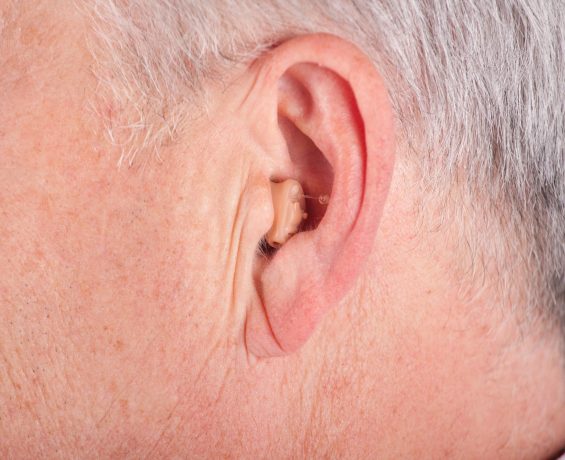
Close-up of a person about to replace hearing aid batteries
In the Ear Hearing Aids

Hearing Services

Hearing Aids

Hearing loss can deeply affect daily life and connections. Meet with a registered hearing aid practitioners to protect your hearing for you and your loved ones.