Frequently Asked Questions
Hearing is one of our most important senses. It helps us connect with loved ones, engage in social activities, and enjoy the sounds of daily life. Yet it is often overlooked. Many people only realize the value of good hearing once they begin to experience difficulties, such as ringing in the ears or trouble understanding conversations in busy places. In many cases, these signs can be linked to stress on the auditory nerves. By taking proactive steps, you can protect your hearing and reduce the risk of further damage to your auditory system. This guide will walk you through what auditory nerve damage is, why prevention matters, and the measures you can take today to keep your hearing sharp for years to come.
The auditory nerve is the pathway that carries signals from the inner ear to the brain, where those signals are interpreted as sound. When we talk about hearing loss or hearing damage, we may often think of the eardrum or tiny bones in the ear, but the auditory nerve is equally crucial. If this nerve becomes injured or degenerates over time, it can lead to permanent hearing loss. Preemptive care and mindful habits can play a significant role in keeping the auditory nerve healthy.
Auditory nerve injury can be caused by various factors. Excessive noise exposure is one of the most common. Medical conditions, certain types of medications, and lack of proper hearing protection in harsh environments can accelerate damage as well. By adopting careful behaviors, you can protect this critical nerve and maintain clear sound quality in your daily life.
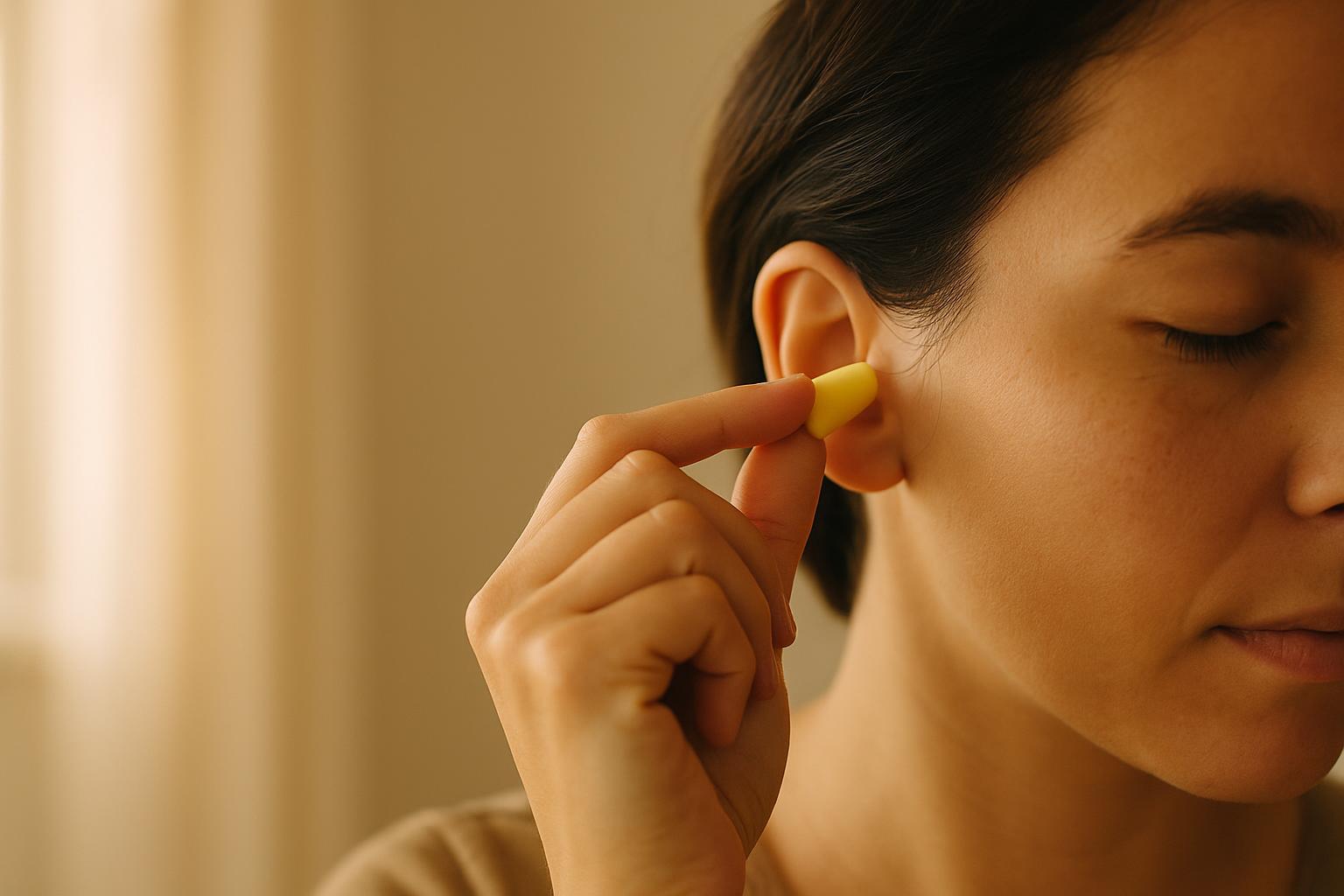
Hearing protection is more than just earmuffs or earplugs. It also involves lifestyle changes and routine hearing check-ups. Whether you are attending a live concert, working with power tools at home, or simply listening to music through headphones, you can help prevent auditory nerve damage by moderating volume and time spent at high decibels. Many people underestimate the effect that even short bursts of loud noise can have on their hearing. Studies suggest that repeated exposure to very loud sounds can raise the risk of noise-induced hearing loss and permanent nerve damage over time.
A key part of prevention lies in understanding the typical environments that can harm hearing health. Nightclubs, sporting events, and industrial worksites are well-known culprits. Yet, everyday activities like using a leaf blower in the backyard or cranking up the volume of your car stereo can also increase the likelihood of damage. By becoming aware of these risks, you can make better choices to protect your hearing throughout daily life.
Everyone’s life includes at least some exposure to loud noise. But which sources should you watch out for?
By identifying these sources in your daily life, you can be prepared to use earplugs or other protective measures whenever noise exposure is expected.
One of the best ways to maintain the health of your auditory nerve is to be proactive about noise protection. Rather than waiting until you notice signs of hearing loss, incorporate these habits into your routine:
These measures work best when they become part of your lifestyle. When in doubt, always err on the side of caution and opt for hearing protection if you suspect that noise levels may exceed safe limits.
Auditory nerve damage does not happen all at once for most people. It often advances slowly until you start noticing subtle changes such as straining to understand conversations or feeling that speech around you is muffled. Here are a few early signs that may suggest the need for an evaluation:
If you experience any of these symptoms consistently, it may be time to seek a professional hearing evaluation to determine if your auditory system is sustaining damage.
A thorough hearing evaluation is like a routine check-up for your ears. By scheduling hearing tests at regular intervals, you can detect any changes early, receive targeted advice on protecting your hearing, and stay informed about your overall ear health. Many individuals wait until they notice serious problems before visiting a hearing professional, but consistent testing can prevent small issues from becoming severe. In fact, some hearing professionals offer free hearing tests for qualified individuals, helping to lower barriers to timely hearing healthcare.
Regular evaluations can help you in several ways. First, they provide a baseline. Just like checking your blood pressure at each doctor’s appointment, measuring your hearing ability periodically helps experts spot trends over time. Second, if the results show signs of damage, your hearing care team can adjust a protection strategy or recommend hearing aids. Third, you stay in tune with any health conditions—like certain chronic illnesses—that may be affecting your hearing. This holistic approach can be reassuring and ensures that you remain proactive.
When it comes to preventing or managing hearing challenges, you might consult a registered hearing aid practitioner. These professionals focus on the testing, fitting, and ongoing care of hearing aids, but they also provide valuable guidance on hearing protection and healthy habits for preventing auditory nerve damage. By working closely with individuals experiencing or at risk for hearing loss, they build personalized plans that may include:
This patient-focused approach addresses both short-term and long-term hearing needs, making sure you receive trusted support every step of the way.
While foam earplugs can be adequate for short-term use, custom-fitted solutions offer several advantages. These are molded to the unique shape of your ear canal, ensuring a seal that generic products often cannot achieve. By investing in tailored solutions, you can enjoy:
Custom hearing protection is frequently recommended for musicians, swimmers, industrial workers, and anyone subject to routine noise exposure. This level of personalization is especially useful if you notice that regular earplugs do not stay in place or if you want more precise protection that accommodates the noise range of your activity.
Avoiding auditory nerve damage isn’t just about physical earplugs. It also involves leading a healthy lifestyle. Some people find that their hearing deteriorates when they neglect general wellness. Here are a few suggestions to keep in mind:
These holistic measures complement the use of hearing protection devices. By caring for your body and mind, you create a supportive environment for your ears to thrive.
Though prevention is the ideal route, sometimes hearing challenges can develop despite our best efforts. Wearing hearing aids when recommended can help preserve the function of the auditory nerve by enhancing and clarifying sounds that might otherwise be lost. This can reduce the cognitive strain that comes with trying to parse speech when clarity is lacking. If you find you are frequently turning up the TV volume or missing out on everyday sounds, it may be time to consider a professional evaluation regarding hearing aids.
The process usually starts by scheduling a hearing test. In many regions, these tests are convenient and can be completed quickly by a registered hearing aid practitioner. If the results indicate you would benefit from amplification, your hearing care provider will work with you to find the best style of hearing aid, from behind-the-ear to discreet in-the-canal devices. Using these devices can help keep the auditory nerve active and lessen the risk of further deterioration. Think of it as a form of ongoing stimulation, ensuring your brain continues to receive important sound information.
For some individuals, hearing loss advances gradually due to age, genetics, or workplace noise levels. You can still take proactive steps to protect any residual hearing you have left. Even if you already wear hearing aids, continuing with custom hearing protection in loud environments remains essential. Professional follow-ups can identify whether your devices need reprogramming or if your listening situations have changed.
Additionally, paying attention to new symptoms is important. If tinnitus seems to be getting worse or if you experience dizziness or balance issues, speak with a hearing care professional. These emerging signs can be related to the ear’s complex structure, including the vestibular system. Early detection can prevent compounding health concerns that might lead to further hearing complications.
If you have concerns about your hearing or simply want expert guidance on preventing auditory nerve damage, seeking out a reputable hearing clinic is a smart choice. Comprehensive care typically includes detailed hearing evaluations, fitting for hearing aids, and specialized solutions like custom hearing protection. Some clinics also have multiple locations to make visits easier. For instance, if you reside in or near Edmonton, there may be convenient clinics in Downtown Edmonton, Mill Woods, South Edmonton, Sherwood Park, St. Albert, or Calgary. Being able to access personalized care close to home helps you keep consistent with evaluations and follow-ups.
By integrating these strategies, you give yourself the best chance at preserving natural hearing without letting damage accumulate unnoticed. Ultimately, the more proactive you are, the greater your odds of enjoying clear sound and strong connections to the people and environments that matter to you.
While everyday strategies can substantially lower the risk of auditory nerve damage, it is vital to seek expert input if you notice changes like worsening tinnitus, misunderstanding conversations more often, or feeling ear pain. Scheduling a screening sooner rather than later can prevent complications and set you up for success if intervention is necessary. By consulting a hearing clinic, you can receive clarity on how best to preserve or restore healthy hearing.
Your hearing is part of staying connected, enjoying entertainment, and ultimately having a better quality of life. Taking consistent steps—like wearing hearing protection in noisy environments, scheduling routine evaluations, and adopting better listening habits—allows you to safeguard your hearing far into the future. The auditory nerve is delicate, and once it is damaged, it can be difficult to reverse the effects. Therefore, protecting your ears is a top priority if you want clear communication and vibrant sound experiences every day. With the right knowledge and tools, you can minimize lasting harm and ensure that your hearing remains a source of joy and connection.
If you have additional questions about preventing auditory nerve damage or want personalized advice, you may consider scheduling a consultation with experienced hearing care professionals. By taking action, you are choosing to protect a valuable sense that helps you engage fully in conversations, celebrations, and the simple pleasures of daily life.