
Frequently Asked Questions
Many individuals who suspect they may need hearing support often wonder if using hearing aids could actually make their hearing worse. This question can stem from uncertainty around how amplification works, possible side effects, or memories of outdated devices that were less comfortable. However, modern hearing aids, when fitted and cared for properly, are designed to protect and improve your hearing health rather than harm it. In this comprehensive guide, we will explain why hearing aids do not damage your hearing, how personalized fittings work, and how you can take a proactive approach to achieving better hearing health. We will also address common concerns, discuss the benefits of consistent follow-up appointments, and explore how these devices can enhance communication and overall quality of life.
It is natural to have questions about adding any new device to your daily routine. With hearing aids, one of the biggest concerns is whether artificial amplification can do more harm than good. People might recall older devices that lacked sophisticated volume controls or worry that a high volume setting could strain the ears. Additionally, some might experience an initial period of discomfort or feel overwhelmed by new sounds after weeks, months, or even years of unaddressed hearing loss. The good news is that modern hearing aids are far more advanced and customizable than models of the past. Registered Hearing Aid Practitioners work to ensure each device matches your exact hearing demands, helping you stay connected and maintain clear sound without putting your hearing health at risk.
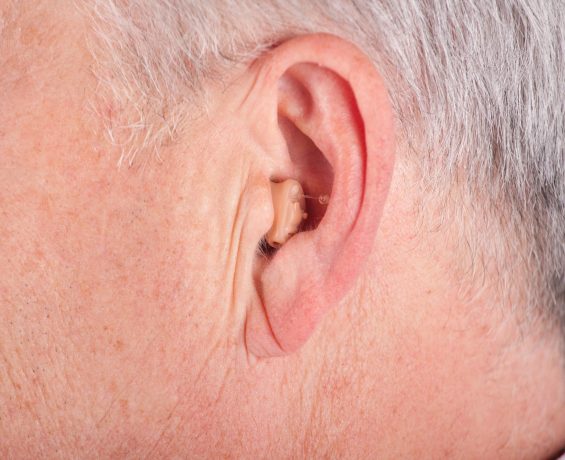
A crucial reason hearing aids are safe to use is because they are fitted by professionals who understand your unique hearing profile. A comprehensive hearing test is conducted beforehand, measuring factors like hearing thresholds, speech recognition, and overall ear health. If testing reveals that you have noticeable hearing loss, the next step is a personalized fitting process. During these appointments, your Registered Hearing Aid Practitioner or hearing professional carefully programs the hearing aids based on your hearing test data. The devices are then adjusted gradually to ensure your ears adapt comfortably. By calibrating the performance of each device—whether a small in-the-canal style or a behind-the-ear model—the practitioner ensures the hearing aids enhance conversation and environmental sounds at safe levels.
This step-by-step fitting process is vital for preventing any potential harm to your hearing. When hearing aids are set up properly, they do not exceed a volume that could damage the sensitive structures of your inner ear. Instead, they deliver the right amount of amplification for different frequencies, allowing you to hear gentle sounds and important speech cues without distortion or loudness discomfort.
Misconceptions about hearing aids can keep people from seeking solutions for hearing loss. Below are a few of the most common myths and why they are not accurate:
If hearing aids are meant to help, how do you know if yours are performing as intended? While it is common to have an adjustment period, there are a few signs that indicate your device might need recalibration or follow-up support:
If any of these concerns arise, schedule a check-up with your Registered Hearing Aid Practitioner for a device evaluation. Minor programming changes or a deep clean can often resolve the issue, ensuring your hearing aids continue to help rather than hinder.
One of the best ways to prevent any issues is to remain consistent with follow-up appointments. Regular visits help keep the devices in ideal shape through cleanings, software updates, and any necessary readjustments. Low battery levels, debris in tubing, or a damaged earmold can all lead to suboptimal outcomes. Early detection of these concerns prevents further strain on your ears and ensures that you do not miss out on hearing important details in everyday conversations. Furthermore, monthly or yearly visits allow your practitioner to track any changes in your hearing and adjust your device settings accordingly. This personalized care extends the life of your hearing aids and keeps you in control of your hearing health.
Far from causing damage, hearing aids can help preserve your existing hearing in several ways:
Each of these points underscores why early detection is key. The sooner you recognize a need for support, the sooner you can protect what remains of your natural hearing.
Delaying or avoiding hearing aids not only compromises your ability to participate fully in daily activities, but it can also accelerate hearing-related difficulties. Without regular stimulation, certain areas of the auditory system can struggle to process sounds. This lack of stimulation may lead to more rapid cognitive decline, increased feelings of social isolation, and additional strain in relationships or workplaces. By seeking professional guidance and using hearing aids when recommended, you invest in your ability to stay connected with loved ones and enjoy the world around you.
You might be wondering how to begin the process of addressing hearing concerns. The best first step is a comprehensive hearing test. A thorough assessment can identify the specific type and degree of hearing loss you may be experiencing. It includes checks of various frequencies, an examination of how clearly you recognize speech, and screening for medical concerns. At Melody Hearing Clinic, each test is followed by a clear, simple explanation of your results, helping eliminate confusion or hesitation. If the evaluation suggests hearing support, your practitioner will guide you toward the most suitable devices, whether you need robust hearing aids for louder environments or a more discreet model for everyday conversations.
Beyond preserving your hearing, hearing aids can improve your day-to-day experiences. If you enjoy lively group gatherings or spending time in busy restaurants, your hearing aids can be calibrated to help you distinguish voices more easily in a noisy setting. If you lead a quieter lifestyle or primarily listen to podcasts and watch television, you can get a customized device that supports these activities. The key is to work with a Registered Hearing Aid Practitioner who assesses not only your hearing thresholds, but also your environment, personal preferences, and budget. This holistic approach ensures you do not just hear more—you hear better.
Taking advantage of personalized technology can also help you stay connected and involved in social events. Modern hearing aids often feature Bluetooth capabilities that allow you to stream phone calls, music, or other audio directly. Many models even come with smartphone apps, so you can fine-tune your settings on the go. By boosting clarity in everyday moments, these devices help maintain a strong sense of independence and confidence.
To get the most out of your hearing aids and ensure they continue to work properly, here are some simple yet crucial steps:
One of the most rewarding outcomes of wearing properly fitted hearing aids is the dramatic improvement in your quality of life. With clear sound, you can engage confidently in conversations with family, share stories with friends, and appreciate the nuances of your favorite music. Many people rediscover everyday joys, like hearing the soft rustle of leaves in the wind or the subtle notes of birds singing at dawn.
Hearing aids also foster stronger relationships by reducing communication breakdowns. Instead of missing parts of a conversation or constantly asking loved ones to repeat themselves, you can participate fully from the start. When social interactions become smoother, confidence grows, and individuals report feeling more active and involved. These benefits extend into professional settings too, aiding in group meetings or phone calls.
To ensure that hearing aids serve you well, be aware of a few pitfalls. Avoid self-diagnosing or fitting your own device without a professional assessment. Over-the-counter solutions can seem simpler, but you risk receiving amplification that does not match your unique hearing profile. Another pitfall is not giving yourself time to adjust. Some people expect instant results, but the brain actually takes a few weeks to acclimate to hearing new stimuli again. By following professional guidance, practicing consistent device use, and scheduling follow-up appointments, you can make a successful transition to better hearing without risking damage to your ears.
Worried that your hearing might be changing, but not sure where to seek help? Early detection through a comprehensive hearing test is a straightforward approach to identifying hearing loss before it becomes burdensome. By addressing hearing loss early and choosing hearing aids if advised, you are taking a proactive stance in your hearing health. This approach might lower your risk of cognitive decline and emotional stress that can arise from unaddressed hearing issues. Staying connected socially, enjoying your favorite hobbies, and continuing to take part in conversations all become easier when you keep your hearing in check.
In many cases, the initial test might show only mild hearing loss. Even so, that information is crucial for future reference. You can then return for periodic retests to monitor for gradual changes. This process helps you stay ahead of potential progression, ensuring you receive new or adjusted hearing aids exactly when you need them.
Trust and expertise are essential parts of this journey. A Registered Hearing Aid Practitioner can answer concerns you may have, provide thorough evaluations, and guide you through the device fitting process. At Melody Hearing Clinic, personalized care is a priority. Every step, from your initial testing to follow-up visits, is conducted with clarity and reassurance. This patient-first approach means you will never feel pressured or rushed and can instead focus on finding a solution that truly improves your daily experiences.
If you are unsure about whether hearing aids are the right move for you, speaking with a professional can help clarify your situation. You can discuss your lifestyle, your most common listening environments, and any specific challenges you face, such as difficulty in group conversations or hearing softer voices. Together, you can decide on hearing aids—like behind-the-ear devices or discreet in-the-canal models—that align with your preferences and hearing profile.
It is never too early to invest in your hearing health, but many people hesitate. Often, they worry about the cost, the appearance of a device in or behind their ear, or whether they truly need amplification. However, waiting until your hearing worsens can mean missing out on subtle, yet meaningful, sounds that keep you engaged with the world around you. Scheduling your free hearing test if you are 55 and older, or a routine assessment for others, can provide crucial insights into whether hearing aids would enhance your everyday interactions.
For those who are concerned about stigma, it is important to remember that modern hearing aids are quite discreet. In fact, family members or friends may not even notice unless you tell them. What they will notice is your renewed interest in conversation and your reduced need to ask them to repeat what they said.
If you suspect hearing changes or are simply curious about your hearing ability, the best immediate step is to book a comprehensive evaluation. Take advantage of the tools and support available to you. If your test results confirm the benefits of hearing aids, you can try different models and pick the one best suited to your life. Further, if you live in or near Downtown Edmonton, Mill Woods, South Edmonton, Sherwood Park, St. Albert, Calgary, or Windermere, you have local options that make in-person follow-up easy and convenient. Whether you are new to hearing aids or already use them, remember that proactive, continuous engagement with hearing health professionals is what truly ensures a safe and beneficial experience.
The simple truth is, if fitted and monitored correctly, hearing aids do not worsen your hearing. Instead, these devices are a trusted support system—enhancing everyday interactions and making it simpler for you to communicate. By working with a Registered Hearing Aid Practitioner, undergoing a comprehensive hearing test, and keeping up with follow-up care, you set yourself on a path of better hearing that wants only to enrich your life. Early action is paramount. Delaying recommended hearing aids can contribute to greater challenges down the road, so if you have any concerns or suspect a change in your hearing, consider scheduling a professional evaluation. You deserve to stay connected, improve your quality of life, and listen to the sounds that make your days vibrant, all without worrying that your hearing aids might cause harm. Instead, view them as your partner in preserving and improving the gift of hearing.

Proper care of your hearing aids is essential to ensure their longevity and optimal performance. Here are some products you might need for hearing aid care:
Hearing Services