
Frequently Asked Questions
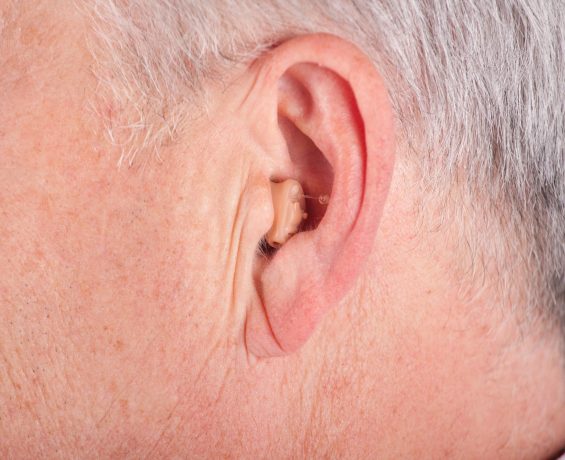
Invisible hearing aids are a popular choice for individuals who want better hearing without drawing attention to a device. They rest discreetly in the ear canal, offering a nearly unnoticeable appearance. Even though “invisible” can sound like a marketing term, these devices genuinely sit deeper in the ear than traditional behind-the-ear devices. Many people worry about whether invisible hearing aids will be comfortable to wear, especially since they fit snugly in a sensitive part of the ear. In this detailed overview, we will explore what makes invisible hearing aids comfortable, when they might feel less comfortable or need adjustments, and how to maintain them for ongoing success. We aim to provide clear, reassuring, and educational information that supports your hearing health journey.
Comfort is a top priority when choosing any hearing device. If the device feels irritating or causes discomfort, wearers are less likely to keep using it regularly. Wearing hearing devices often makes a significant difference in day-to-day communication, social engagement, and overall quality of life. Invisible hearing aids excel on this front by:
Although these hearing aids are designed with comfort in mind, it is important to note that individual experience can vary. Several factors can influence how comfortable an invisible hearing aid feels in your ear, including:
A key advantage of invisible hearing aids is that each device is custom-fitted for the wearer. During the fitting process, a hearing care professional takes an impression of your ear, capturing the specific contours. Once this custom shell is created, it is carefully aligned with your ear canal shape to ensure minimal gaps and maximum comfort. This high level of personalization is beneficial for multiple reasons:
Even with an expert fitting and a custom mold, some new users do experience minor discomfort. This discomfort might present itself as slight pressure, itching, or general awareness of having something in your ear canal. If you have sensitive ears, the sensation may feel more noticeable at first. Fortunately, there are ways to manage this transition:
Some people want to compare the comfort level of invisible hearing aids to behind-the-ear (BTE) models. Each style has unique benefits, but many find invisible devices more comfortable for everyday wear because:
Before deciding on any hearing device, a thorough assessment of your hearing health is crucial. You will want to know the degree and type of hearing loss you have so that the device can be calibrated correctly. A comprehensive hearing test also helps identify any anatomical features, like narrow canals or earwax buildup, that might affect the fit of an invisible hearing aid. If you are unsure about your hearing status or whether an invisible device is right for you, consider scheduling a comprehensive hearing test. Book Your Hearing Test to ensure you have an accurate baseline of your hearing health. From there, you can weigh the pros and cons of different hearing aids with a trusted professional.
One of the keys to maintaining comfort over the long term is proper upkeep. Invisible hearing aids require careful cleaning because they sit deep in a warm, moist environment within the ear. By taking a few simple steps each day, you can prevent unnecessary discomfort and help your devices last:
If you have never worn hearing aids before, getting used to hearing everything from your own footsteps to the hum of your refrigerator can be an adjustment. Invisible devices can heighten this sensation initially because they create a more sealed environment in your ear. This is not necessarily bad—most users report that, after a few weeks, these everyday sounds fade into the background. Here are some strategies for adapting:
Misconceptions can sometimes deter individuals from considering invisible hearing aids. Two common myths relate to comfort:
One of the best ways to ensure a comfortable experience with invisible hearing aids is to work closely with a trusted hearing clinic and a Registered Hearing Aid Practitioner. These professionals understand the nuances of different ear shapes and hearing profiles, allowing them to recommend the right style and customize the device to your exact needs. They can also provide ongoing support—making changes to fit or programming if you encounter discomfort down the road. At Melody Hearing Clinic, for example, the philosophy is to offer patient-first care that prioritizes comfort, accessibility, and peace of mind. By leveraging comprehensive hearing tests, skillful fittings, and supportive follow-up, the goal is to help people stay connected and enjoy better hearing without stress.
Just as comfort is subjective, hearing needs vary from person to person. Some people place a higher premium on discreetness, while others may need advanced features like Bluetooth streaming or rechargeable batteries. Luckily, modern invisible hearing aids often have technology on par with more visible models, including options for noise reduction, feedback management, and connectivity. Before making any purchase decision, talk through your lifestyle, communication challenges, and desired features with a professional. This ensures your final choice aligns with your unique preferences.
Even though invisible hearing aids are an excellent option for many, you might discover another type works just as well or better. The key is partnering with someone who understands the range of solutions and can guide you toward the device that delivers both clarity of sound and lasting comfort.
Committing to consistent hearing aid use can significantly improve your day-to-day life, making conversations easier, allowing you to enjoy music, and helping you stay engaged with the world around you. To ensure you get the most comfortable and effective experience long term, here are a few best practices:
Researching and understanding how and why invisible hearing aids are comfortable is a significant step toward better hearing health. By taking the time to explore these devices, you equip yourself with the knowledge needed to make a calm, confident decision. In doing so, you also reduce any anxiety tied to wearing a hearing aid. Whether your top priority is discretion, comfort, or improved sound clarity, invisible hearing aids have features that can address all three. They often feel freeing to those who dread visible devices and want a seamless experience.
Additionally, the reassurance of ongoing care is critical. It is normal to have questions or face minor adjustments once you start wearing your invisible hearing aids. That is where professionals offer their ongoing expertise, ensuring that you are never left to figure it all out alone.
If you believe invisible hearing aids might be the right fit for you—both comfort-wise and style-wise—consider meeting with a Registered Hearing Aid Practitioner to discuss your options. You can explore available hearing aids or even schedule a hearing test if you need an updated assessment of your hearing. Finding the perfect hearing aid does not mean you must sacrifice comfort or style for performance. With the right guidance and follow-up, you can enjoy clear sound and stay connected to the conversations and environments you love most.
Above all, remember that comfort with invisible hearing aids, or any hearing device, is usually a product of the right fit, proper adjustment, and a bit of patience. Over time, wearing invisible aids can become second nature, helping you reconnect with the sounds and voices that matter in your life. If you have questions or need additional support, do not hesitate to reach out to a hearing care professional who specializes in personalized solutions. They can help with fine-tuning the device, ensuring it feels great, functions brilliantly, and suits your unique hearing profile.
Ultimately, invisible hearing aids can be a transformative option for anyone striving for better hearing health without compromising on comfort or appearance. With modern technology, an empathetic, patient-first approach, and comprehensive hearing tests, you can find a solution that offers both discretion and day-long wearability. By seeking support, understanding the adjustment process, and embracing continuous care, you open the door to clearer conversations, more engaging social interactions, and a renewed sense of connection to the world around you.

Hearing Services