
Our ears allow us to experience the sounds that shape everyday life—whether it’s the laughter of friends, the music we love, or the bustle of a busy city. Yet these intricate structures within the ear can also become vulnerable when exposed to loud noise. Many people wonder if loud noise can cause ear pain, and the short answer is yes, it certainly can. Ear pain from noise can result from a sudden explosive sound or a steady, high volume over time. Either way, it’s a sign the body is telling you something isn’t right.
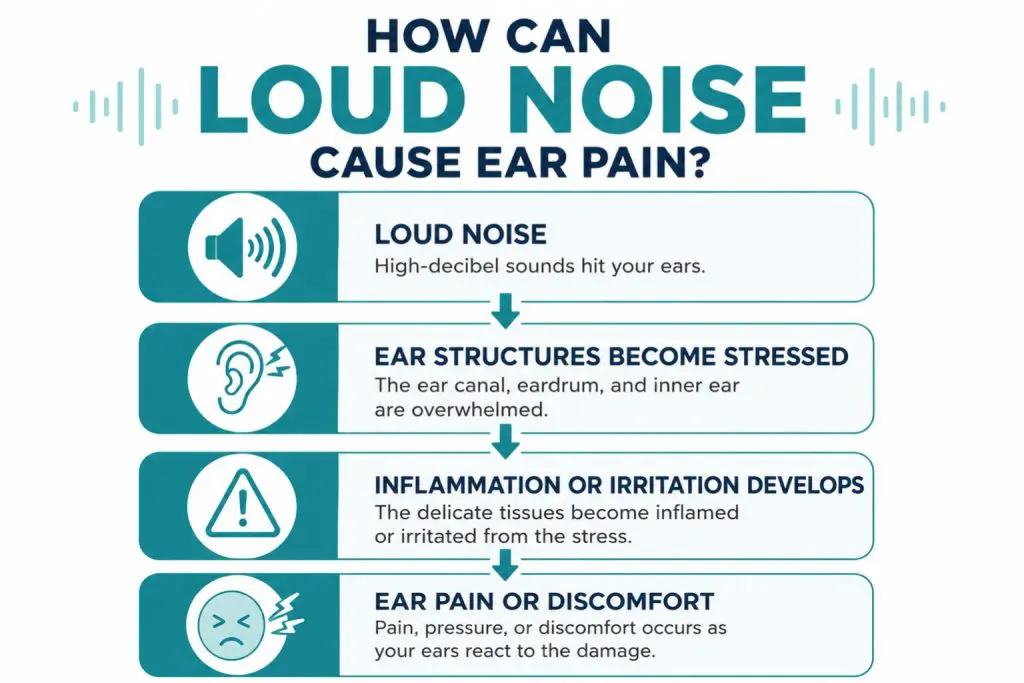
Noise-related ear pain happens when high-decibel sounds irritate or injure the ear’s delicate internal components. The outer ear canal, eardrum, and inner ear all play a role in detecting and transmitting sound. But when the sound is too powerful, it may overwhelm the ear’s ability to handle safe levels of noise. This can lead to inflammation, fluid buildup, or micro-injuries in the tissues, which typically manifests as pain, pressure, or discomfort. In many cases, the immediate sensation is brief and sharp, though for some people it can turn into an ongoing ache.
It’s important to keep in mind that pain is the body’s way of signaling danger. In the context of hearing, pain often indicates that the ear is under stress. If loud sounds become a regular occurrence, repeated damage can affect hearing clarity. Over time, ongoing discomfort could be accompanied by reduced hearing capacity, ringing in the ears (tinnitus), or persistent ear fullness.
Certain sounds produce such a rapid and intense shock wave that the ear cannot adequately cope with it. These include explosions, fireworks, gunshots, or even alarms and sirens at very close range. In these situations, the loud sound wave can create pressure differences in your ear canal, sometimes powerful enough to damage the eardrum or sensitive cells in the inner ear. Consequently, you may feel an immediate sharp pain that can linger. You might also notice hearing changes or a ringing sensation in the ear afterward.
It is not uncommon for very loud, sudden sounds to lead to a perforated or ruptured eardrum. When this occurs, a person might observe a sudden change in hearing clarity, see fluid draining from the ear, or experience intense pain. In some cases, loud noise can even lead to a perforated or ruptured eardrum, which may cause additional concerns, from temporary hearing fluctuations to more lasting injury that calls for careful follow-up.
Not all cases of noise-induced pain begin with a single loud blast. Some develop over time as constant exposure slowly wears down the ear’s resilience. Think of workers in noisy industries, individuals who listen to prolonged loud music, or those who live in very loud urban areas. In these scenarios, the ear is continually straining to process incoming sound. That sustained pressure can cause the ear canal and eardrum to become inflamed, leading to discomfort or soreness.
Chronic noise exposure may also contribute to persistent ringing (tinnitus) or muffled hearing. While ear pain may come and go, it often overlaps with other signs your hearing has experienced stress. If you regularly have a dull ache in the ears after work or concerts, it’s worth considering ways to protect your hearing before minor discomfort turns into a more significant issue.
It’s a good habit to pay attention to any subtle hints that your hearing might be overstressed. Here are some common signs:
When ear pain or these symptoms persistently follow noise exposure, it serves as a warning that the ear might be struggling to cope. Some people may also feel ear fullness or discomfort when chewing or swallowing after loud noise exposure. Your best course of action is to take these signs seriously. Giving your ears time to recover and seeking support from a hearing care professional can help prevent further damage.
Occasional ear pain that fades within a few moments after a loud event can sometimes be managed by simply giving the ears a break. However, certain red flags point to the need for a professional evaluation:
In all these circumstances, consulting a registered hearing aid practitioner or another hearing health specialist is a wise decision. They have the tools and expertise to determine the root cause of the pain, evaluate the extent of any hearing changes, and recommend practical next steps. Early detection and personalized care make a significant difference when it comes to preserving healthy hearing and minimizing lasting damage.
While the ears are an amazing part of the body, they need to be protected to function at their best. If you’re regularly exposed to loud noise—on the job, at concerts, or during hobbies—it’s crucial to practice preventive measures. Here are some ways to keep your ears safe:
These seemingly small choices can drastically reduce the likelihood of noise-induced ear pain. They also help maintain your hearing health, enhancing your ability to enjoy everyday conversations, music, and more without discomfort.
One of the biggest mistakes people make is ignoring ear pain. Because the discomfort might subside on its own, individuals may assume the problem has resolved. Unfortunately, repeated stress can accumulate beneath the surface. In the long run, a pattern of ignoring symptoms may lead to progressive hearing issues, including difficulty engaging in conversations and issues with clarity in everyday communication.
By being attentive to early signals, you can avoid more serious complications. If you notice repeated bouts of ear pain or consistently require higher volume levels to hear well, consider making an appointment with a hearing professional. Early care helps identify possible injuries, inflammation, or other problems. Once you have clarity on your ear’s condition, it becomes much easier to explore effective solutions, such as customized hearing protection or hearing aid solutions if needed.
A comprehensive hearing test is an excellent way to assess your current hearing status—especially if you suspect that loud noise may have caused harm. During a hearing test, a registered hearing aid practitioner evaluates various aspects of your hearing health, including the softest sounds you can detect and your ability to comprehend speech in different environments. This helps pinpoint if there has been any noticeable decrease in hearing ability linked to noise exposure or other causes.
Once the test is complete, you’ll receive a detailed overview of your hearing profile. If signs of noise-induced hearing damage or ear stress are evident, you can discuss further steps. Sometimes, a professional might suggest techniques for healthy listening habits and ways to reduce the likelihood of future damage. In other cases, hearing technology could help you regain clarity and comfort if a more advanced level of impairment has set in. Above all, early testing leads to precise insights, ensuring you won’t be left guessing about how your ears are functioning.
Ear pain from loud noise isn’t just a single event—it can also be part of an ongoing issue if high decibel levels remain a constant in your life. In such situations, maintaining your hearing health takes consistent effort. Here are some useful tips to keep in mind:
By combining these steps with proactive monitoring of your hearing, you can reduce the risks linked to long-term noise exposure and improve your quality of life. Ear pain, while unpleasant, can serve as a valuable early-warning system to maintain your hearing health over the years.
Noise doesn’t just affect your ears; it also impacts the rest of your body and mind. Continuous, loud noise can contribute to increased stress levels, decreased concentration, and even disrupted sleep. Over time, these factors can chip away at your mental and emotional health. When ear pain is in the mix, it may exacerbate irritability or fatigue. This underscores the reality that protecting your hearing benefits your overall wellness, not just your eardrums.
While many people know to wear seat belts in cars or helmets when biking, ear protection remains an often-overlooked safety measure. Reflecting on the potential ripple effects of noise—spanning from immediate ear pain to overall mental strain—can motivate us to be more mindful. It’s a straightforward step toward a healthier, more balanced lifestyle.
For individuals who notice ongoing ear pain or struggle with hearing in everyday settings, it can be quite reassuring to know that solutions are within reach. Visiting a clinic for a hearing assessment or exploring custom protection options can restore a sense of confidence. Simply learning if your hearing is normal or if you need further evaluation can relieve anxiety about what might be happening behind the scenes.
Ultimately, seeking a professional opinion lets you make informed decisions about your hearing health. For instance, if your hearing test reveals mild stress or beginning stages of noise-induced damage, you might wear specialized earplugs that safeguard against further decline. Improvements in hearing technology mean that if hearing aids become necessary, modern devices are discreet, comfortable, and can greatly enhance your ability to pick up everyday conversations without strain.
While protecting your hearing might feel like an extra task, it aligns closely with maintaining your sense of connection to the people and experiences that enrich life. Sound is essential for many aspects of daily living, from hearing a friend’s laughter to enjoying the nuances of your favorite music. Allowing noise-induced ear pain to go untreated risks limiting your ability to fully appreciate these moments.
Comfortable, well-fitted hearing solutions—along with mindful noise management—help ensure you stay engaged in your environment and personal interactions. The key is striking a balance between enjoying the sounds you love and keeping noise at a moderate, manageable level. By doing so, you can safeguard your hearing and reduce the discomfort that often follows exposure to excessive sound.
Whether your ears recently started bothering you or you’ve dealt with chronic pain for a while, it might be time to reach out for help. A professional evaluation can answer questions you may have about your ear health, identify whether there is underlying damage, and guide you toward practical solutions that fit your lifestyle. Being proactive is always in your best interest, especially if there’s any sign of lingering pain or hearing fluctuations.
One potential route is to find a comprehensive hearing test at a reputable clinic. Such services often include thorough assessments and results interpretation. Once you receive supportive, clear information from registered hearing aid practitioners, it becomes considerably easier to preserve your hearing health today and into the future. Remember that while ear pain is uncomfortable, it can be effectively addressed with the right knowledge, tools, and attentive care.
Loud noise can undoubtedly cause ear pain, and it serves as an important warning sign that your ears are under pressure. Whether the pain arises from a sudden burst of sound or accumulates from daily noise exposure, paying close attention to your symptom is critical. By seeking professional evaluations, modifying your listening habits, and investing in protective measures, you can keep discomfort to a minimum and reduce the risk of long-term harm to your hearing.
Remember that ear pain is your body’s way of telling you to take action. Proactively managing your hearing health can benefit not only your ears but your overall well-being. Early attention to symptoms, coupled with routine check-ups, can help ensure you stay connected to the sounds of life, free from the worry of lingering or potentially escalating ear pain. Don’t overlook the value of consistent care—listen to your ears, treat them kindly, and safeguard your hearing for the future.
