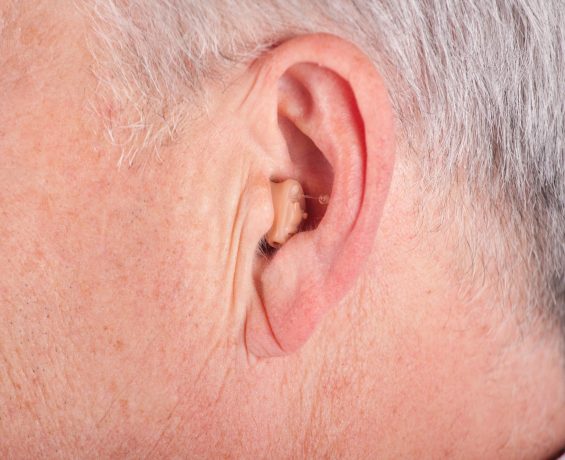
Hearing aids have come a long way in recent years, evolving from bulky analog systems into small, discreet devices equipped with powerful digital technologies. These modern solutions not only amplify everyday sounds but also provide helpful features like wireless streaming, rechargeable batteries, and automated noise reduction. One of the most notable advancements is the inclusion of Bluetooth® and other wireless communication methods, which allow hearing aid users to connect effortlessly to smartphones, televisions, and tablets for direct audio streaming. However, with wireless connectivity comes the possibility of interference from other electronic devices. In this guide, we’ll explore why hearing aids may occasionally experience interference, how technology has advanced to minimize these effects, and what steps you can take to keep your sound quality stable and clear.
Before looking at interference, it’s important to understand why wireless connectivity is so valuable to hearing aid users. Bluetooth® streaming enables you to do much more than simply hear sounds around you. You can connect your hearing aids directly to your phone and stream phone calls, music, podcasts, or even video content straight to your ear. This technology can significantly improve communication, making it easier to stay connected with loved ones while reducing the strain of holding a phone or dealing with background noise.
In addition to smartphones, many hearing aids link with computers, tablets, televisions, and even car audio systems. These connections allow you to experience a more immersive listening environment. The freedom to stream audio directly into your hearing aids makes daily life more convenient. Yet, this convenience occasionally bumps up against electromagnetic signals in your environment, creating small obstacles.
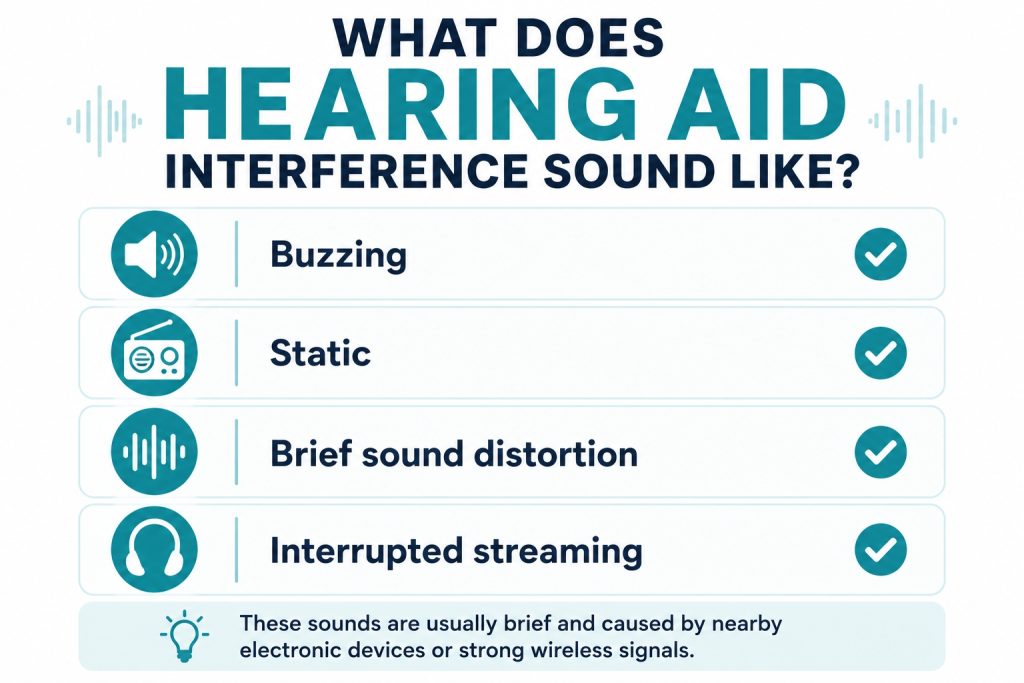
Electronic interference, also known as electromagnetic interference (EMI), happens when signals from different sources cross paths and disrupt one another. Most modern hearing aids operate in the 2.4 GHz frequency band, which is also commonly used by Wi-Fi routers, Bluetooth® devices, and other household electronics. If a hearing aid becomes overwhelmed by competing signals, you might hear buzzing, static, or experience a brief change in sound quality. In most scenarios, these interruptions are very short-lived and rarely cause ongoing issues. However, understanding where they come from is a key step in minimizing any unwanted side effects.
While many electronic devices function seamlessly alongside today’s hearing aids, a few produce signals strong enough to occasionally create interference. Some typical culprits include:
It’s worth noting that many people never encounter these types of interference, and if they do, it’s usually very brief. However, if you notice persistent buzzing or disruptive sounds, it’s helpful to know where they might be coming from.
Thanks to rapid innovation, hearing aids have built-in protections that significantly lower the risk of signal disruption. Many devices employ advanced shielding that filters out background noise and interference. They also rely on sophisticated digital signal processing (DSP), which swiftly identifies and minimizes undesired signals before they reach your ear. In this way, the hearing aid effectively separates the “wanted” sounds—like speech—from any extraneous electronic noise. This is one reason why many users report minimal or no issues with interference.
Additionally, hearing aids often use frequency-hopping techniques. This method switches frequencies quickly to find a channel with minimal noise, decreasing the likelihood that steady interference will lock up your device. Considering these improvements, modern hearing technology is far more stable than older analog models.
No one wants unexpected buzzes or static-like interruptions during important conversations or while enjoying their favorite music. Here are some practical steps to help ensure a clear sound experience:
While the risk of interference exists, it’s important to emphasize the positive aspects of wireless-connected hearing aids. Features like direct phone calls, hands-free streaming, and seamless transitions between music and speech enhance your daily routine. When you answer a call, the audio is delivered directly to your ears. Conversations can be more natural, and you no longer have to constantly adjust your phone or wonder if you’ll catch important details.
Beyond phone calls, streaming television or computer audio to your hearing aids can greatly improve clarity. This is particularly valuable in noisy households or for individuals who have trouble distinguishing speech from background music. By reducing the distance between the audio source and your ear, you minimize the overall interference from other environmental sounds. Hence, the potential for occasional disruptions from other gadgets is a small trade-off for the convenience and quality enhancements that modern wireless hearing aids provide.
Even with top-tier technology, interference can occur. If you find yourself dealing with buzzing or static more often than you’d like, try these tips:
If interference is disruptive enough to affect your daily life or makes it challenging to follow conversations, it may be time to consult your hearing care professional. Registered Hearing Aid Practitioners have specialized equipment and expertise to measure interference and reprogram your hearing aids with settings that increase stability and clarity. If needed, they can also recommend an upgraded hearing aid model if your current devices are out-of-date or incompatible with the latest streaming features.
In some situations, your practitioner may suggest workflow changes in your home, like repositioning your router or using specific streaming accessories. These small modifications can help maintain reliable connections. Above all, remember that no one should have to tolerate chronic buzzing or static. With the right guidance, hearing aids should feel natural and unobtrusive to your daily routine.
An annual or biannual hearing test is an excellent way to keep tabs on your hearing health and ensure your devices are performing at their best. During a comprehensive hearing test, practitioners at Melody Hearing Clinic can evaluate your current hearing aid settings, detect any changes in your hearing, and pinpoint whether interference is a genuine cause for concern. These routine assessments are not just about diagnosing hearing loss; they also ensure you’re receiving the maximum benefit from your hearing aids.
By scheduling consistent follow-ups, you can stay proactive. If interference is an emerging problem, it’s easier to address sooner rather than later. Early detection of an underlying technical or hearing concern prevents small issues from escalating into significant frustrations. If you’re ready for a check-up or simply want to explore your options, you can learn more about a Hearing Test at Melody Hearing Clinic.
In the drive to improve quality of life and stay connected, hearing aids are more than simple amplifiers. They’re comprehensive solutions offering support, guidance, and care. By combining sophisticated digital signal processing with sleek forms and user-friendly designs, current-generation hearing aids deliver reliable, crystal-clear sound in most listening environments. When occasional electronic interference does show up, it is usually mild and short-lived, easily mitigated by small adjustments in your daily routine or device settings.
If you’re focused on preserving your hearing health and minimizing interference, regular cleaning and maintenance of your devices is essential. Clearing out earwax and debris goes a long way in stabilizing the signal you receive. Additionally, exploring new models with updated shielding technology—if your hearing aids are several years old—can offer a more polished listening experience.
One of the biggest benefits of modern hearing aids is the sense of connection they restore. Instead of feeling isolated or missing out on conversations, you can communicate with others more comfortably. Even in bustling family gatherings or lively restaurants, your hearing aids can be configured to pick up voices in a focused manner, helping you stay engaged in every moment. Periodic interference is a reality of modern technology, but it often can be reduced and managed. By recognizing the root causes and embracing solutions—from well-designed shielding to simple location adjustments—you can approach your hearing journey with peace of mind.
If you’re exploring new hearing aids or are concerned about current interference issues, it’s reassuring to know that there are many options available. Registered Hearing Aid Practitioners can guide you through selecting devices that best suit your lifestyle and unique hearing profile. You can even discuss additional accessories—special TV streamers or remote microphones, for instance—that further enhance audio without amplifying unwanted signals. These personalized care strategies help you stay connected, enjoy your favorite music and TV shows, and reduce unnecessary background noise.
Hearing technology isn’t one-size-fits-all. A thorough assessment helps narrow down which model and features align with your goals. If you’d like to learn more about state-of-the-art hearing aids, explore these solutions here for more details on their features and benefits.
Hearing should bring you closer to life’s most cherished sounds, from daily conversations to laughter and music. When you experience even minor interference, it can be reassuring to know that simple changes or modern enhancements can address the issue. As you continue on your hearing journey, consider these steps:
When it comes to improving communication and ensuring you hear life’s moments with clarity, it’s never too early or too late to take action. A simple conversation with a trusted hearing care provider can point you toward comprehensive hearing tests, personalized hearing aid fittings, and strategies to manage occasional interference effectively. Overcoming mild disturbances isn’t just about convenience—it’s also about preserving peace of mind and your connection to the people and activities you love. By staying informed and proactive, you can make the absolute most of today’s remarkable hearing aid technologies.